
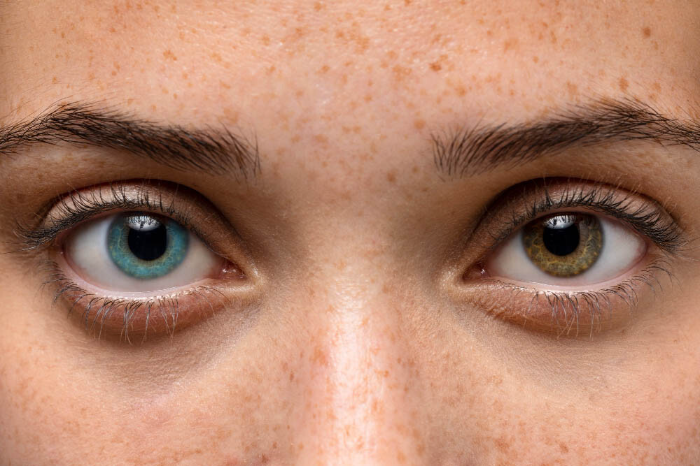
Why Does One Eye Have Two Colors?
Seeing two colors in the same eye is known in medical terms as heterochromia. This condition occurs when pigments of different colors come together in the iris part of the eye. Heterochromia can be congenital, or it can develop later. Most of the time it is harmless, but sometimes it may be a sign of an underlying health problem. This difference in eye color is not only a matter of aesthetic curiosity but also the result of a complex interaction of genetic and environmental factors.
What Is Eye Color and How Does It Form?
Eye color is determined by the pigmentation of the part called the iris. The color of the iris changes depending on the amount of a pigment called melanin. In individuals with a high amount of melanin, eye color is dark brown, while in those with low melanin, lighter tones such as blue or green eyes appear. Eye color is generally determined by genetic factors, but it can also change due to environmental influences.
The formation of eye color is a complex result of genetic inheritance, and many genes play a role in this process. In particular, the OCA2 and HERC2 genes have an important effect on eye color. However, genetic scientists are still trying to understand exactly how eye color forms and changes. This genetic diversity helps explain why two colors can occur in the same eye.
It is known that eye color does not depend only on genetic factors and that environmental influences may also play a role in color change. For example, sun exposure, aging, and certain diseases can affect eye color. Therefore, understanding eye color is possible by examining both genetic and environmental factors.
Causes of Two-Colored Eyes
There are various reasons for the appearance of two-colored eyes. Genetic factors are the most common cause of this condition. Heterochromia is also associated with some genetic syndromes. For example, Waardenburg syndrome and Sturge-Weber syndrome can cause two-colored eyes.
In addition to congenital heterochromia, heterochromia that develops later is also possible. Environmental factors and certain health problems can cause changes in eye color. Pigment changes that develop after inflammation, trauma, or eye surgeries can be effective in the formation of two-colored eyes. In addition, some medications can also lead to changes in eye color.
Among the causes of two-colored eyes, although rare, eye tumors and some metabolic diseases may also be found. Such cases generally require medical intervention. If you notice a sudden change in your eye color, it is recommended to consult an eye doctor.
The Role of Genetic Factors
The genetic foundations of heterochromia are quite complex. Eye color is determined by the interaction of many genes, and these interactions can lead to the emergence of different colors. In particular, the OCA2 and HERC2 genes are among the important genes that determine eye color. Variations in these genes may cause color differences.
Genetic factors can affect not only eye color diversity but also other traits related to eye health. Some genetic mutations may create differences in an individual’s eye color, or even changes over time. This is one of the most common causes of congenital heterochromia.
As genetic science advances, our knowledge about how eye color forms also increases. In the future, thanks to genetic research, it may be possible to better understand the causes of eye color differences. This will help us find clearer answers to the question of why two colors occur in the same eye.
Environmental Factors and Eye Color
Environmental factors can cause significant changes in eye color. The amount of light exposure throughout life, especially sunlight, can affect eye color. Sunlight can stimulate melanin production and cause the eye color to darken. Therefore, in some individuals, darkening of eye color can be seen in the summer months.
In addition, the aging process can also affect eye color. As age increases, melanin production may decrease, which can cause eye color to lighten. Especially in elderly individuals, noticeable changes in eye color may be observed. Regular eye examinations are important in order to protect eye health.
On the other hand, certain health problems or medications can also lead to changes in eye color. In particular, some medications used in the treatment of eye pressure can affect eye color. In such cases, it is important to seek a doctor’s advice. If you notice a sudden change in eye color, it is recommended to consult a specialist without delay.
People With Two-Colored Eyes in Ankara
Studies conducted with people living in Ankara who have two-colored eyes show that this condition is more common in society than is thought. Due to genetic diversity and the effects of environmental factors, many people in the capital are born with heterochromia or develop this condition later.
Ankara’s climate and geographical location may have an effect on eye color. Especially in the summer months when the sun is intense, changes in eye color may be observed. People living in Ankara should not neglect using sunglasses to protect eye health.
Eye health centers located in Ankara offer solutions for the aesthetic and health needs of people with two-colored eyes. If you live in Ankara and notice a change in your eye color, consulting a specialist eye doctor may be a good idea. Doctors can help you protect your eye health and provide information about necessary treatment or aesthetic solutions.
Laser Eye Color Change Methods
Eye color change has become popular in the field of aesthetic surgery in recent years. Laser eye color change is one of the most common methods used in this field. This method targets the pigments in the iris layer of the eye, allowing the eye color to change permanently.
Laser eye color change is generally fast and painless. However, as with every surgical procedure, this method also has risks and side effects. Therefore, if you are considering such a procedure, you should definitely consult a specialist doctor. Your doctor will inform you about potential risks and expected results.
Eye color change procedures may be preferred not only for aesthetic concerns but also for some medical reasons. For example, in cases such as pigmentation disorders in the eye or heterochromia, laser eye color change may offer an aesthetic solution. When deciding on such a procedure, it is important to carefully evaluate all your options.
 Call
Call
 Whatsapp