
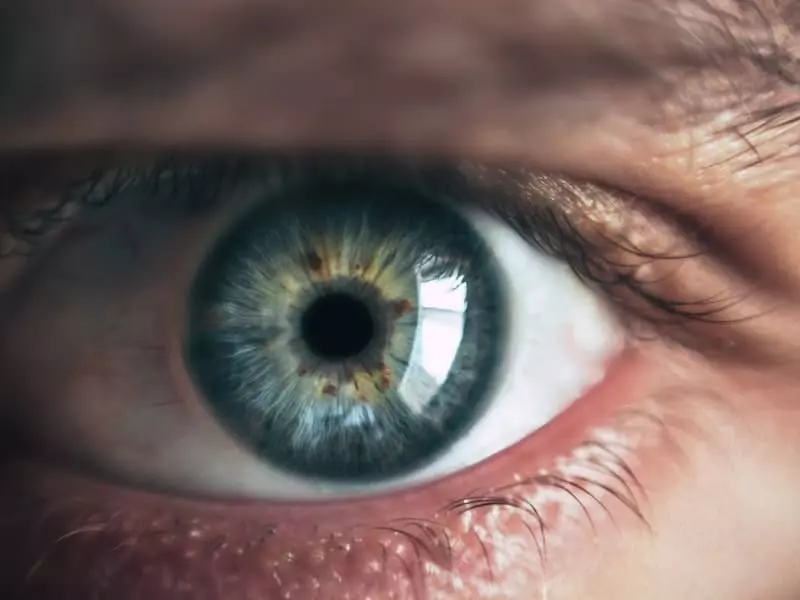
Eye Colors
Eyes are not only the organs that allow us to see, but also unique features that reflect our personality and distinguish us from one another. Eye colors are both a reflection of our genetic inheritance and an aesthetic element. In this article, we will discuss the diversity of eye colors, their psychological effects, and genetic factors. We will also touch on laser eye color change.
What Are Eye Colors?
Eye colors vary depending on the pigmentation of the iris. The iris is the part of the eye that determines its color and controls how light falls onto the retina. The amount and distribution of pigmentation play an important role in the formation of eye color.
Eye color depends on the density of a pigment called melanin. Higher melanin levels lead to darker eye colors, while lower levels result in lighter tones. For this reason, brown eyes contain more melanin than blue or green eyes.
Eye colors are not only a physical trait but also carry cultural and social meanings. In different cultures, certain eye colors may be interpreted differently from aesthetic or symbolic perspectives.
Types of Eye Colors
Eye colors are generally categorized into several main groups: brown, blue, green, hazel, and gray. However, beyond these categories, each individual’s eye color can have its own unique tone and depth.
Brown Eyes: The most common eye color worldwide. They are usually darker due to high melanin levels.
Blue Eyes: Common especially in Europe, with lower melanin levels. Their appearance results from the way light scatters in the iris.
Green Eyes: A rare eye color, often seen in Northern and Central Europe.
Hazel Eyes: A mix of green and brown tones that may appear to change depending on light.
Gray Eyes: Quite rare and often found in individuals living in colder climates.
Each eye color combines different tones and depth, creating a unique appearance for every individual.
Psychological Effects of Eye Colors
Eye color can create psychological impressions on others. There are various theories about how eye color may influence perception and personal image.
Brown eyes are often associated with reliability and warmth. Individuals with brown eyes are commonly perceived as sincere and trustworthy. On the other hand, blue eyes are often linked with calmness and confidence.
Green eyes are associated with mystery and creativity. Individuals with green eyes are often perceived as more expressive and intriguing. Similarly, hazel eyes may symbolize flexibility and adaptability due to their mixed tones.
What Is Laser Eye Color Change?
With the advancement of technology, new methods have been developed for individuals who wish to change their eye color. Laser eye color change is one of the most notable approaches in this field. This procedure aims to reduce the pigments in the iris using laser technology.
This method is often preferred by individuals who want to achieve lighter eye tones. However, it may not be suitable for everyone and can involve certain risks. Therefore, it is important to have a detailed evaluation with an eye specialist before proceeding.
During the procedure, a highly precise technique is applied to avoid affecting the natural structure and health of the eye. The recovery process may vary from person to person, but the eye generally returns to its normal appearance within about a week.
Laser Eye Color Change Process
The laser eye color change process consists of several stages. First, a comprehensive eye examination is performed to assess whether the individual is suitable for the procedure. During this examination, any condition that may prevent the process is evaluated.
In the second stage, the laser eye color change procedure is performed. The laser device focuses on the iris and helps reduce pigmentation. The procedure usually takes about 20–30 minutes and is generally painless. However, a temporary feeling of discomfort may occur afterward.
In the final stage, the recovery period begins. During this time, it is important to follow the doctor’s recommendations to protect eye health. Typically, the eyes should be protected from sunlight for a few days, and recommended eye drops may be used.
Genetic Factors of Eye Colors
One of the most important factors determining eye color is genetics. The traits inherited from our parents play a key role in defining eye color. According to Mendelian genetics, eye color is passed down through dominant and recessive genes.
Brown eyes are generally considered a dominant genetic trait.
Blue eyes are associated with recessive genes.
Predicting eye color can be complex due to genetic combinations. For example, two brown-eyed parents may still have a blue-eyed child due to genetic diversity.
In addition to genetic factors, environmental influences may also cause slight changes in eye color over time.
Eye Colors and Health
Eye color may provide certain insights into health. Studies suggest that some eye colors may be associated with specific sensitivities.
Brown eyes may offer better protection against sunlight due to higher melanin levels. However, individuals with this eye color may have less advantage in low-light vision.
Lighter-colored eyes, such as blue or gray, may be more sensitive to sunlight due to lower melanin levels. For this reason, using sunglasses is recommended.
Regardless of eye color, regular eye examinations and proper care are essential for maintaining eye health.
 Call
Call
 Whatsapp