
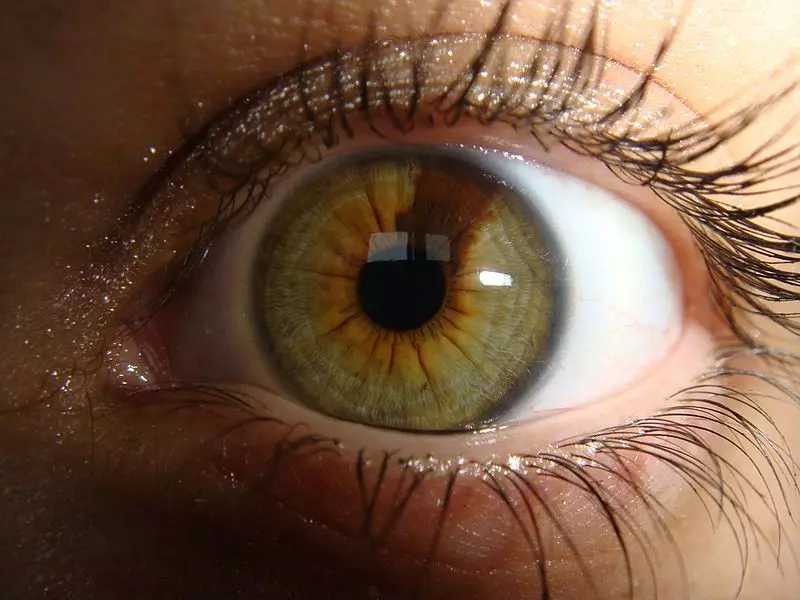
Why Do People Have Different Eye Colors?
Eye color is one of the most noticeable physical traits among people. The question why do people have different eye colors? can be explained by a combination of genetic and environmental factors. In this article, we will examine why eye color varies, the genetic factors involved, eye color diversity in Ankara, and methods of changing eye color.
What Is Eye Color and How Is It Formed?
Eye color is a characteristic that results from the pigmentation of the iris. The iris is the colored part of the eye and controls the amount of light entering it. The color of the iris depends on the density and distribution of a pigment called melanin. As melanin increases, eye color becomes darker; when it decreases, lighter shades appear.
Three main color pigments play a role in the formation of eye color: brown, blue, and green. Genetic factors determine the proportions of these pigments and shape an individual’s eye color. For example, a person with brown eyes has a high amount of melanin, while someone with blue eyes has less. Green eye color results from a combination of these two pigments.
In addition to genetic factors, environmental influences may also play a role in eye color development. For example, eye color can change after birth. Babies are usually born with lighter-colored eyes that may darken over time. These changes are related to increased melanin production.
Genetic Factors of Eye Color
The genetic structure of eye color is quite complex. While many people believe that eye color is determined by only one or two genes, in reality, multiple genetic factors contribute to this process. The primary genetic factors include the OCA2 and HERC2 genes. These genes influence eye color by controlling melanin production and distribution.
The OCA2 gene plays a major role in determining eye color. The activity of this gene regulates melanin production and determines the shade of the eyes. The HERC2 gene affects the function of the OCA2 gene, contributing to the genetic structure of eye color. The interaction between these two genes allows eye color to appear in various shades such as blue, green, or brown.
In addition to genetic factors, other environmental and biological influences may also affect eye color. Certain diseases or conditions, for example, can cause changes in eye color. Therefore, eye color determination is a complex process shaped by the interaction of many factors.
Eye Color Diversity in Ankara
As the capital of Turkey, Ankara is home to various cultural and ethnic groups. This diversity is also reflected in the distribution of eye colors. The coexistence of individuals with different genetic backgrounds in Ankara increases eye color diversity. Common eye colors in Ankara include brown, blue, green, and hazel tones.
The diversity of eye color in Ankara is directly related to the city’s rich cultural structure. Differences in eye color can be observed among both local and immigrant communities. This shows that in addition to genetic heritage, environmental and historical influences also contribute to eye color diversity.
Eye color diversity is an interesting observation in a large and varied city like Ankara. The coming together of individuals from different cultural backgrounds results in a broader range of eye color distribution. This reflects Ankara’s multicultural structure.
Eye Color Change Methods
Although eye color is genetically determined, some people may wish to change it. These changes may be permanent or temporary. There are several methods for changing eye color, each with its own risks and advantages. The most common eye color change methods include:
Colored Contact Lenses: One of the most common and safest methods is the use of colored contact lenses. These lenses are designed to cover the natural eye color and are available in various shades. Since they offer a temporary solution, they are ideal for short-term changes.
Laser Eye Color Change: Another method that has gained popularity in recent years is laser eye color change. This procedure works by removing pigment from the upper layer of the iris, resulting in a lighter eye color. However, this method is permanent and should be carefully considered due to potential risks.
Surgical Methods: A less common method involves iris implants. Surgical interventions can be risky and are generally not widely preferred due to the potential for complications.
The desire to change eye color is usually driven by aesthetic concerns. However, such decisions should be carefully evaluated and discussed with a specialist. Eye health should always take priority over aesthetic changes.
Laser Eye Color Change Procedure
Laser eye color change has become a highly discussed technique in the aesthetic field in recent years. This procedure typically aims to transform brown eyes into lighter shades such as blue or green. The process is carried out through laser treatment applied to the iris.
During the procedure, laser beams break down melanin pigment in the upper layer of the iris, causing the eye color to lighten. Although this method is often described as non-surgical and quick, it carries certain risks. It is a procedure that requires caution in terms of eye health and should only be performed by qualified specialists.
Potential risks of laser eye color change include eye irritation, inflammation, and vision problems. Therefore, if such a procedure is being considered, thorough research should be conducted and a reliable clinic should be chosen. It should not be forgotten that the eyes are among our most important sensory organs, and their health must always come first.
 Call
Call
 Whatsapp