
Why Do Eye Colors Differ from Each Other?
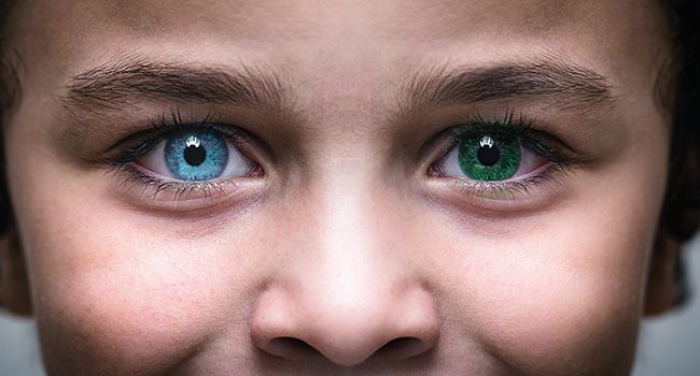
Eye color is one of the most striking and intriguing features of human appearance. Some people have dark brown eyes, while others are known for their icy blue eyes. The question why do eye colors differ from each other is based on a combination of genetic, biological, and environmental factors. This diversity in eye color reflects natural differences among individuals and is considered a part of genetic variation.
One of the most important factors determining eye color is the density and distribution of pigments in the iris. These pigments affect how light is reflected and which wavelengths are absorbed by the eye. As a result, eye color is not only a genetic inheritance but also a form of biological artistry.
Genetic Factors in the Formation of Eye Color
Our eye color is determined by genes inherited from our parents as part of our genetic makeup. These genes control the production and distribution of pigments in the iris. Genetic studies have shown that eye color is influenced by at least three different genes, and the combinations of these genes determine the final eye color.
In particular, the OCA2 and HERC2 genes play a critical role in eye color formation. These genes influence melanin production, determining whether eye color appears lighter or darker. Variations in the OCA2 gene are associated with the dominance of brown eye color, while changes in the HERC2 gene contribute to the development of blue eyes.
In addition to genetic factors, environmental influences also play a role in eye color formation. However, these effects are less significant compared to genetics. The complexity and variation of genetic structure explain why eye color can differ so widely, reflecting overall genetic diversity.
The Relationship Between Melanin and Eye Color
Melanin is the most important pigment determining eye color and is found in the iris. As the amount of melanin increases, eye color becomes darker. For this reason, brown eyes have a high concentration of melanin, while blue eyes contain less. The density and distribution of melanin determine the shades and variations of eye color.
Melanin production is generally controlled by genetic factors. However, it can change over time. For example, babies are usually born with low melanin levels, and their eye color may darken as they grow. This shows how melanin production can vary during early life stages.
Melanin not only determines eye color but also helps protect the eyes from harmful ultraviolet rays. Darker eyes, which contain more melanin, provide better protection against these rays. Therefore, melanin is not only an aesthetic feature but also important for eye health.
Changes in Eye Color: When Do They Occur?
Although eye color is generally considered a stable trait, it can change in certain situations. After birth, babies’ eye colors may darken or shift over time. This change is related to increased melanin production and changes in pigment distribution in the iris.
In some cases, eye color may change due to external factors such as disease or trauma. Conditions like Horner syndrome or Fuchs heterochromic iridocyclitis can cause changes in eye color. These changes are usually rare and may require medical attention.
During the aging process, slight changes in eye color may also occur. Melanin production may decrease with age, causing the eyes to appear lighter. However, these changes are usually subtle and do not significantly alter the fundamental nature of eye color.
Characteristics and Meanings of Different Eye Colors
Eye colors are not only a genetic trait but also carry cultural and social meanings. Different eye colors have been associated with various symbols and interpretations across societies. For example, blue eyes are often described as cold or mysterious, while brown eyes are associated with warmth and reliability.
Eye color is also linked to personal perception and aesthetic preferences. For some people, certain eye colors may appear more attractive or striking. These perceptions can vary depending on personal experiences and cultural background.
It is also interesting how different eye colors are perceived under varying lighting conditions. For instance, blue eyes tend to appear brighter in low light, while brown eyes may look more prominent in sunny environments. These optical differences show that eye color is not only an aesthetic trait but also a functional one.
 Call
Call
 Whatsapp