
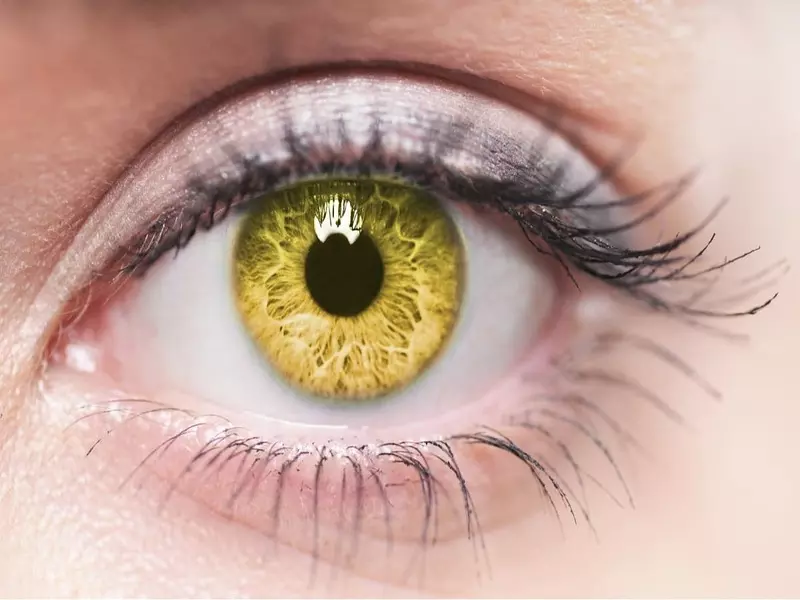
Why Do Eye Colors Appear Different?
The variation in eye colors is a topic that attracts the interest of many people and arouses curiosity. When searching for an answer to the question why do eye colors appear different, it is necessary to understand the causes and effects of these differences. Variations in eye color are shaped by our genetic structure, environmental factors, and more. In this article, we will examine in depth how eye colors are formed, their genetic and environmental influences, and their potential effects on health.
Formation of Eye Colors
Eye color is determined by the amount of melanin pigment in the colored part of the eye called the iris. Melanin is the main determinant of eye color, and as the density of this pigment increases, the eye color becomes darker. If the amount of melanin is low, eyes appear in blue or green tones, while a high concentration of melanin causes eyes to appear brown or black.
In the formation of eye color, not only the amount of melanin but also the way this pigment is distributed and other factors in the structure of the iris play an important role. For example, some eyes have a more homogeneous distribution, while others may have a more speckled appearance. This can cause eye color to be perceived differently.
The formation of eye color may change from birth. Babies are usually born with light-colored eyes, and as melanin production increases, eye color may darken. These changes usually become noticeable in the first years of life.
Characteristics of Blue, Green, and Brown Eyes
Blue eyes generally have the lowest amount of melanin. Therefore, the way light passes through the iris makes blue eyes appear brighter and more striking. Individuals with blue eyes may have a more sensitive visual perception, as the low level of melanin allows more light to be reflected.
Green eyes are a rarer eye color and contain slightly more melanin than blue eyes. The eye color of individuals with green eyes may be perceived as more distinctive and attractive under certain lighting conditions. This eye color is thought to be shaped by genetic variations and environmental factors.
Brown eyes are the most common eye color worldwide, and this is due to a high level of melanin. Brown eyes provide more protection against sunlight. For this reason, individuals with brown eyes may be more resistant to bright light.
Genetic Factors and Eye Colors
Eye color is strongly determined by genetics. The inheritance of eye color is related to genetic material passed from parents to children. More than one gene plays a role in determining eye color, and these genetic interactions explain the diversity of eye colors.
Genetic scientists state that two main genes determine eye color: OCA2 and HERC2. These genes control the production and distribution of melanin. For example, a mutation in the OCA2 gene can affect whether eye color is light or dark. In addition, other genetic variations can also influence eye color, which is why different eye colors can be seen among family members.
Genetic factors affect not only eye color but also eye health and some vision problems. For example, certain genetic conditions may be associated with specific eye colors, and in such cases, monitoring eye health is important.
Environmental Effects and Changes in Eye Color
Eye color can be influenced not only by genetic factors but also by environmental effects. For example, exposure to sunlight may increase melanin production, leading to darker eye color. In addition, the aging process may cause noticeable changes in eye color.
In some cases, factors such as health conditions or medication use may cause temporary or permanent changes in eye color. For example, some eye drops may increase brown pigmentation and cause the eye color to darken. Additionally, certain diseases may affect the structure of the iris and change eye color.
Although the role of environmental factors in eye color is limited, being aware of these factors and monitoring them can help protect eye health. Sudden changes in eye color may indicate an underlying health issue, so it is important to consult a specialist in such cases.
Effects of Eye Color on Health
The effects of eye color on health can be considered a reflection of genetic structure. For example, individuals with light-colored eyes may be more sensitive to sunlight and should take extra precautions to protect eye health. Wearing sunglasses or choosing UV-protected lenses can reduce this sensitivity.
Darker eyes, on the other hand, are better protected from sunlight due to higher melanin content. However, these individuals should also be cautious about other factors that may affect eye health. For example, regular eye examinations are important for maintaining overall eye health.
Eye color may also be associated with certain genetic diseases. For example, conditions such as albinism can affect melanin production and significantly impact both eye color and vision. In such cases, early diagnosis and treatment can improve quality of life.
 Call
Call
 Whatsapp