
Why Do Colored Eyes Deteriorate?
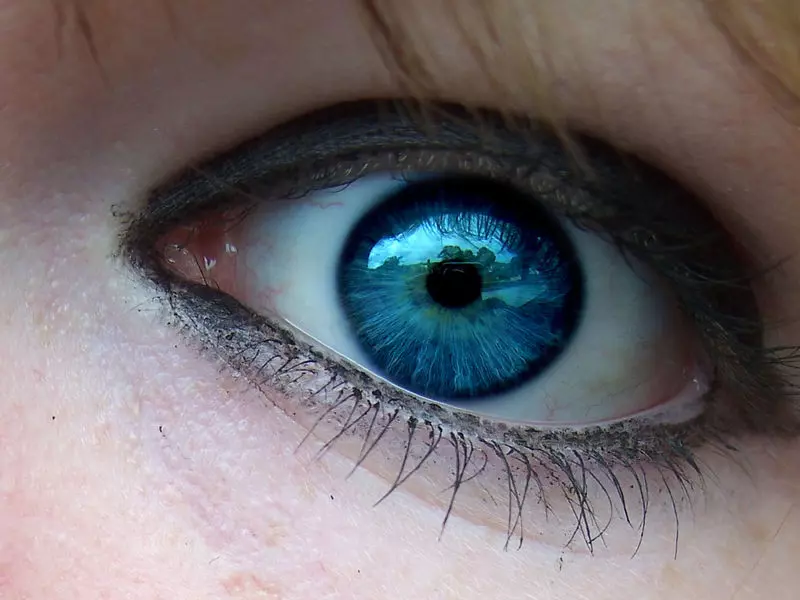
Colored eyes refer to the presence of different eye colors in humans. These eye colors may vary such as brown, blue, green, and hazel. The main factor in the formation of colored eyes is the amount and distribution of the pigment called melanin. The amount and distribution of melanin determine the eye color and are controlled by genetic factors.
It is true that colored eyes have an aesthetic attractiveness. However, a change or deterioration in eye color may be a sign of various health problems. The causes of deterioration in colored eyes depend on many factors and this situation may negatively affect eye health. Therefore, changes in eye color should be carefully monitored.
Those who have colored eyes should pay more attention to their eye health. Any change in eye color may be a sign of an underlying health problem. For this reason, protecting colored eyes and maintaining their health is very important.
Causes of Deterioration in Colored Eyes
There are various factors among the causes of deterioration in colored eyes. One of the main ones is genetic predisposition. Genetic factors may cause eye color to change or deteriorate over time. This situation may be seen more frequently especially if there are similar cases in the family.
Another important cause is environmental factors. Factors such as long-term exposure to the sun, contact with chemical substances, or smoking may lead to changes in eye color. Using sunglasses or avoiding harmful substances is important for protecting the eyes.
In addition, health problems may also cause changes in eye color. For example, some eye diseases or systemic diseases may lead to deterioration in eye color. In such cases, it is important to consult an eye doctor and ensure that necessary examinations are carried out.
Effects of Changes in Colored Eyes on Health
Changes occurring in colored eyes may have important effects on health. These changes may be a sign of serious underlying health problems. For example, a sudden change in iris color may be a sign of serious eye diseases such as glaucoma.
In addition, changes in eye color may also appear as a sign of some genetic diseases. Especially sudden changes in eye color during childhood may be situations that require genetic counseling. Therefore, changes in eye color should be carefully monitored and a specialist should be consulted when necessary.
Another effect of changes in eye color may be psychological. When people experience a sudden change in their eye color, they may feel the social and psychological effects of this situation. In such cases, providing emotional support is important.
Genetic Factors and Deterioration of Colored Eyes
Genetic factors play an important role in the deterioration of colored eyes. If there are individuals in the family who have experienced deterioration of colored eyes, it should be considered that this condition may be genetic. Many genes play a role in determining eye color, and the interaction between these genes may cause eye color to change over time.
In addition, genetic factors may affect not only the change in eye color but also the protection of eye health. Some genetic diseases may negatively affect eye health and lead to deterioration in colored eyes. Being aware of such genetic predispositions is important for early diagnosis and treatment.
To minimize the effect of genetic factors, family history should be carefully evaluated. Genetic counseling services may be beneficial for individuals at risk of colored eye deterioration. In this way, protecting eye health and identifying possible risks in advance can be ensured.
Effects of Aging on Colored Eyes
The aging process is another important factor that may cause changes in eye color. Over time, the amount of melanin in the eyes may decrease, and this may lead to fading or changes in eye color. Especially changes in eye color that occur in older ages may be considered a natural result of aging.
However, the effects of aging on eye health are not limited to changes in eye color. As age progresses, eye health may also be affected, and this may increase the risk of eye diseases. Age-related eye diseases such as cataracts and macular degeneration may lead to deterioration in colored eyes.
To minimize the effects of aging, it is important to have regular eye examinations and adopt healthy lifestyle habits. A balanced diet, sufficient sleep, and regular exercise may help maintain eye health. In addition, taking vitamins and minerals for eye health may also be beneficial in reducing the effects of aging.
Symptoms of Deterioration in Colored Eyes
The symptoms of deterioration in colored eyes may appear in various ways. A sudden change in eye color is one of the most noticeable symptoms. Lightening, darkening, or completely changing to a different color may be a sign of deterioration in colored eyes.
Other symptoms may include blurred vision, sensitivity to light, and pain in the eye. These symptoms may indicate a problem with eye health and may require prompt medical evaluation. Such changes in the eye may be a sign of serious eye diseases.
If you notice symptoms of deterioration in colored eyes, it is important to consult an eye doctor. Early diagnosis may facilitate the treatment process and help protect eye health. Remember that eye health is very important and should not be neglected.
 Call
Call
 Whatsapp