
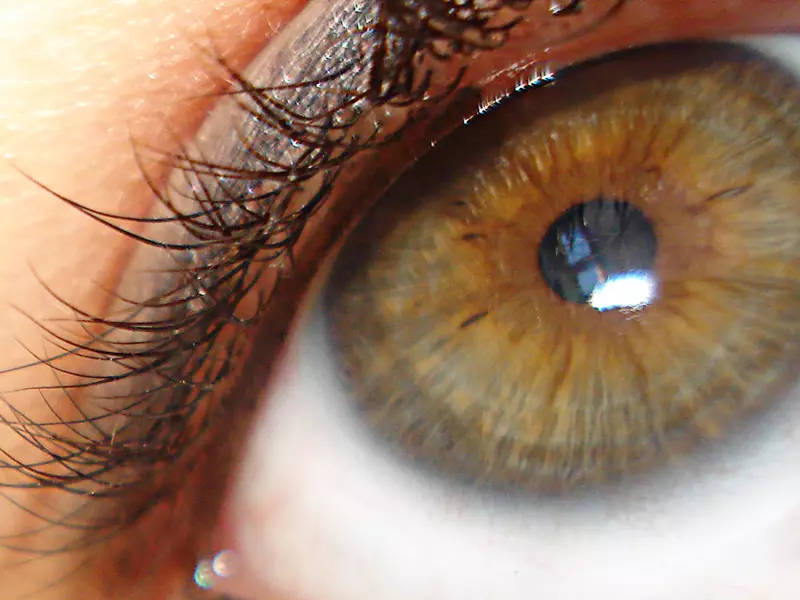
Why Are Our Eye Colors Different?
Our eyes do more than help us perceive the world around us—they are also an important part of our identity. Have you ever wondered why eye colors vary so much? In this article, we will explore why our eye colors differ and the scientific reasons behind this diversity.
What Is Eye Color?
Eye color is the result of pigmentation in the iris, the circular structure that surrounds the pupil and controls the amount of light entering the eye. Eye colors are generally described as brown, blue, green, or hazel, and these shades vary depending on the concentration of a pigment called melanin.
Most people have brown eyes, which contain the highest amount of melanin. As melanin levels decrease, eye color may shift toward blue, green, or hazel. The amount and distribution of melanin on the front layer of the iris play a fundamental role in determining eye color.
Eye color is not merely an aesthetic trait; it also reflects our genetic inheritance. To better understand how eye color forms and why differences occur, we need to look more closely at genetic factors.
How Eye Colors Form
Two primary pigments are involved in the formation of eye color: melanin and lipchrome. Melanin produces dark brown and black tones, while lipchrome contributes to lighter shades. The amount and distribution of these pigments determine the tone and intensity of eye color.
At birth, many babies have blue eyes. This is because melanin production increases after birth, which can gradually change eye color over time. A baby’s eye color typically reaches its final shade within the first few years of life, depending on changes in pigmentation.
Genetic factors also play a significant role. Two key genes, OCA2 and HERC2, are known to influence eye color. Variations in these genes can produce different shades, helping explain why eye color is so diverse.
Genetic Factors and Eye Color
Genetics is the primary determinant of eye color. The genetic material inherited from our parents influences which shade our eyes will be. The genes that affect eye color are located on our chromosomes, and their combination plays a critical role in the final result.
The OCA2 gene helps control iris pigmentation, while the HERC2 gene regulates the activity of OCA2. Different variations of these genes account for the range of eye colors we see.
Genetics may also influence whether eye color changes slightly with age. Some individuals experience subtle changes over time, often related to shifts in melanin production.
The Evolution of Eye Colors
The evolution of eye color reflects genetic diversity within human populations. Early humans most likely had brown eyes, as this color contains the highest melanin levels, which provide protection against harmful ultraviolet (UV) radiation.
However, as humans migrated and adapted to different environmental conditions, variations in eye color emerged. In Europe, lighter eye colors such as blue and green became more common. Lower melanin levels may have offered certain advantages in regions with limited sunlight, potentially supporting vitamin D production.
These evolutionary processes show that eye color is shaped not only by genetics but also by environmental adaptation. The diversity of eye colors seen across different geographic regions reflects the complexity of human evolutionary history.
Psychological Effects of Eye Color
The psychological effects of eye color are closely linked to social and cultural perceptions. In various societies, certain eye colors are associated with specific traits. For example, blue eyes are often linked to clarity and calmness, while brown eyes are associated with reliability and strength.
These perceptions may influence social interactions. Eye contact plays a key role in communication, and eye color may affect first impressions. As a result, eye color can carry social meaning beyond its biological basis.
Eye color may also influence how individuals perceive themselves. When considered part of personal identity, it can affect confidence and self-image. This demonstrates that eye color is not only a physical feature but also has social and psychological dimensions.
Different Eye Colors and Their Meanings
Eye colors are often associated with symbolic meanings shaped by cultural beliefs. Some commonly attributed traits include:
Brown Eyes: Often linked to strength and reliability. Brown-eyed individuals are frequently perceived as warm, sincere, and loyal.
Blue Eyes: Associated with youth and innocence. Blue-eyed individuals are often described as calm, intuitive, and gentle.
Green Eyes: Connected with mystery and creativity. Green-eyed individuals are often viewed as energetic, charismatic, and imaginative.
Hazel Eyes: Known for adaptability and flexibility. Hazel-eyed individuals are often seen as dynamic and spontaneous.
It is important to remember that these associations are generalizations and do not define an individual’s personality.
Differences Between Eye Colors
The differences between eye colors are primarily due to variations in melanin levels and genetic diversity. Brown eyes contain the most melanin, while blue eyes contain the least. These differences influence how light is absorbed and reflected within the eye.
Brown eyes absorb more light due to higher melanin content, giving them a darker appearance. Blue eyes reflect more light because of lower melanin levels, resulting in a lighter look.
These variations represent not only aesthetic diversity but also adaptation to environmental conditions. Eye color diversity is a remarkable example of human genetic variation.
Interesting Facts About Eye Colors
-
Most of the World Has Brown Eyes: The majority of the global population has brown eyes, especially in regions with higher melanin levels.
-
Heterochromia: Some individuals have heterochromia, a condition in which each eye is a different color or one eye contains multiple colors. This is usually genetic or related to injury.
-
Eye Color Can Change Over Time: Especially in infancy, eye color may change as melanin production increases. Subtle changes may also occur later in life.
These facts show that eye color is not merely aesthetic but the result of complex genetic and biological processes.
Eye Color and Health
Eye color may be associated with certain health considerations. Individuals with lighter-colored eyes may be more sensitive to sunlight and may benefit from protecting their eyes against UV exposure. Lower melanin levels can allow more UV radiation to affect the eyes.
Some research suggests potential links between eye color and certain eye conditions, such as glaucoma. However, these associations are influenced by multiple genetic and environmental factors and should not be viewed as definitive.
In conclusion, while eye color may provide some insights, it is not a standalone indicator of health. Protecting eye health through regular check-ups and appropriate preventive measures remains essential regardless of eye color.
 Call
Call
 Whatsapp