
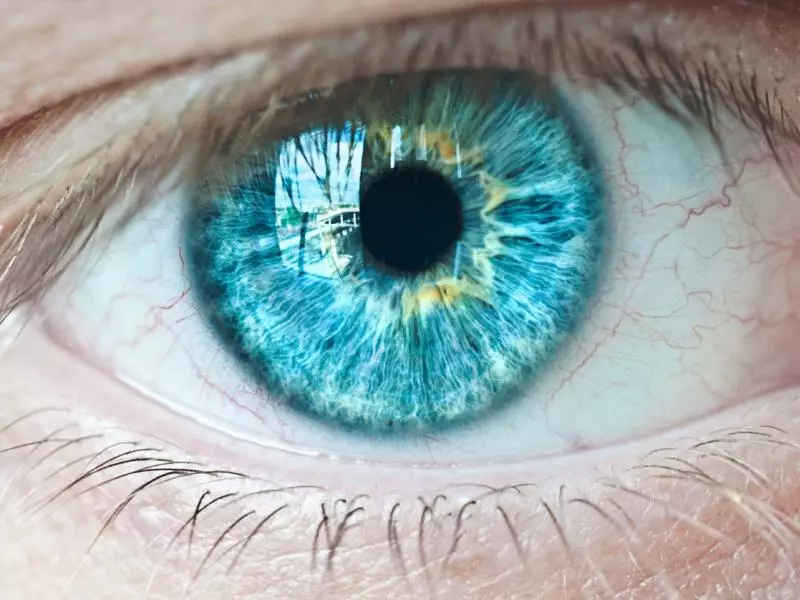
Why Are Eye Colors Different?
Our eyes are one of the most important features that define our personality and appearance. The question why are eye colors different has long been a topic of curiosity. The main reason behind these differences lies in genetic factors. Each individual’s eye color results from a combination of genetic material inherited from their parents. The melanin pigment found in our genetic structure is the primary factor that determines eye color. A higher amount of melanin darkens eye color, while a lower amount of melanin leads to lighter-colored eyes.
On the other hand, not only genetic factors but also environmental influences are important in eye color variation. For example, changes in eye color may be observed after birth. Most babies are born with blue eyes, and their eye color may change over time. This change is related to increased melanin production. Additionally, the aging process can also cause changes in eye color. As age progresses, melanin production may decrease, and the eyes may take on a lighter shade.
Cultural and geographical factors also contribute to differences in eye colors. For example, people living in northern regions generally have lighter-colored eyes, while those living closer to the equator typically have darker eyes. This distribution can be explained by genetic adaptations that developed over time based on the regions where people lived.
Genetic Foundations of Eye Color
The genetic foundations of eye color have been studied by scientists for many years. The genes responsible for determining eye color mainly focus on two primary genes: OCA2 and HERC2. These genes play a decisive role in whether eye color appears light or dark. The OCA2 gene controls the amount of melanin in the eye, while the HERC2 gene determines how much of that melanin becomes active.
These genes, inherited through genetic transmission, are passed down from generation to generation. Therefore, family members often show similarities in eye color. However, even if both parents have similar eye colors, their child’s eye color may differ. This occurs due to genetic variations and the diversity of gene combinations.
In addition to genetic inheritance, mutations can also cause differences in eye color. Mutations are changes that occur within genes, and these changes may lead to unexpected variations in eye color. Although such genetic changes are rare, they are an important factor contributing to eye color diversity.
Factors Affecting Eye Colors in Ankara
Ankara, the capital of Turkey, is a city where various factors influencing eye color come together. The eye colors of people living in Ankara may be affected not only by genetic factors but also by environmental influences. The city’s geographical location, climate, and lifestyle are important elements contributing to eye color diversity.
Ankara’s climate may indirectly affect eye color. For example, the intensity of sunlight and UV rays may influence melanin production, potentially leading to changes in eye color tone. During periods with increased sunshine, melanin production may rise, which can contribute to darker eye shades.
Cultural factors also play a role in eye color variation. Since Ankara is home to many different cultures living together, this increases genetic diversity. The coming together of individuals from different ethnic backgrounds leads to genetic variation and, consequently, eye color diversity. This diversity reflects Ankara’s dynamic and cosmopolitan structure.
Effects of Lens Use on Eye Color
The use of contact lenses, preferred for correcting vision problems or for aesthetic reasons, has a noticeable effect on eye color. Lenses can alter natural eye color and provide users with a different appearance. Colored lenses, in particular, have the potential to completely change eye color and have become a popular way to express personal style.
The effect of colored lenses on eye color depends on the quality of the lens and how well the color complements the natural eye shade. For example, using light-colored lenses on dark eyes may create a more dramatic transformation. However, compatible colors should be chosen to avoid an unnatural look. This is important both for achieving aesthetically satisfying results and for protecting eye health.
In addition to changing eye color, lens use involves health considerations. Individuals who wear lenses must follow hygiene rules and act according to their eye doctor’s recommendations. Improper lens use may lead to eye infections and other health problems. Therefore, lens use should be approached consciously and carefully.
Laser Eye Color Change Methods
With advancing technology, laser eye color change methods have gained popularity. These methods offer a way to permanently change eye color and are generally preferred for aesthetic reasons. Laser eye color change aims to achieve a lighter eye color by reducing the amount of melanin in the front layer of the eye.
Among the advantages of this procedure are permanent results and a relatively quick recovery period. However, as with any surgical procedure, risks are involved. Due to the possibility of complications and side effects that may affect eye health, such procedures should be performed in a reliable clinic by experienced specialists. Detailed information about potential risks and outcomes should be obtained before the procedure.
Another important aspect of laser eye color change is personal preference. Since such a change may affect a person’s uniqueness and identity, careful consideration is necessary before making a decision. Therefore, expectations before and after the procedure should be clearly defined, and professional consultation should be sought.
Which Lenses Should Be Preferred According to Eye Color?
Choosing lenses suitable for your eye color is important both for achieving aesthetically satisfying results and for protecting eye health. There are different types and shades of lenses available for each eye color. Therefore, when selecting lenses, you should consider your natural eye color and your desired final appearance.
For light-colored eyes, darker tones or brighter shades may be preferred. This can create a noticeable change while still maintaining a natural look. On the other hand, for dark-colored eyes, opaque lenses can be used to achieve lighter or more striking shades. These lenses completely cover dark eye color, making it easier to reach the desired result.
When selecting lenses, attention should also be given to quality and comfort. To protect eye health, lenses must be used under hygienic conditions and cleaned regularly. Additionally, following daily usage duration and care instructions is critical for maintaining eye health. Consulting an eye doctor for more information and professional advice about lens use may be beneficial.
 Call
Call
 Whatsapp