


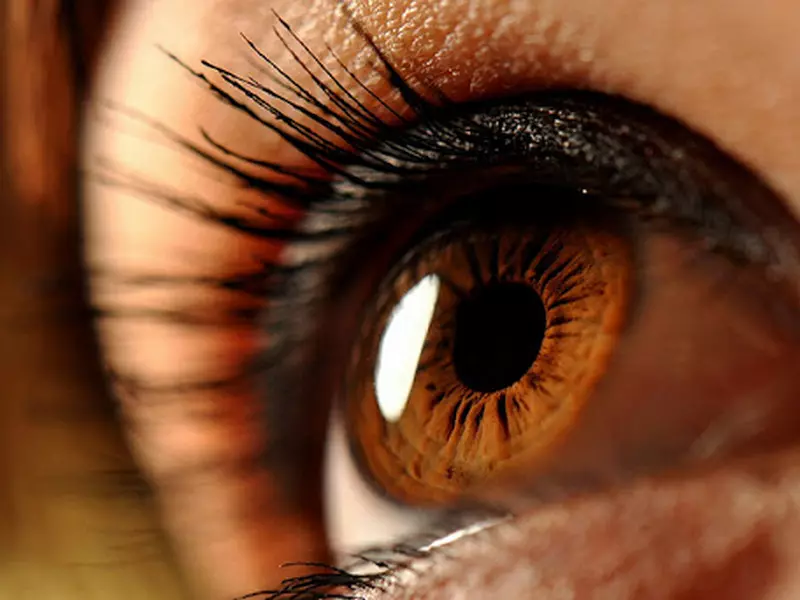
Laser eye color change has become a topic of growing interest in aesthetic medicine in recent years. This procedure aims to permanently alter eye color and is often researched by individuals who want a different appearance. However, as with any aesthetic intervention, determining who is suitable for this procedure requires careful evaluation. The eye is one of the most delicate organs in the body, and any intervention must be assessed thoroughly by specialists.
This procedure generally targets pigment reduction in the iris using laser technology. Changes in pigment density may cause the eyes to appear lighter. Still, the procedure should not be viewed only as a cosmetic preference. Eye health, existing conditions, and anatomical structure must all be considered. Therefore, laser eye color change may not be suitable for everyone.
Pre-Procedure Evaluation
The first step in determining suitability is a detailed eye examination. Factors such as eye pressure, corneal structure, iris thickness, and retinal health are carefully assessed. Individuals with previous eye surgeries or ongoing eye diseases may not be good candidates.
Specialists tend to be cautious with patients who have chronic dry eye, glaucoma risk, or retinal disorders. Since laser procedures can affect internal eye balance, a comprehensive evaluation helps reduce potential risks. Those considering laser eye color change should focus not only on aesthetic expectations but also on medical suitability.
Who May Be Suitable?
In general, individuals with good overall eye health, no active eye disease, and realistic expectations may be considered suitable candidates. If the iris structure is compatible with laser treatment, the procedure may be easier to plan technically.
Psychological expectations also matter. While changing eye color may alter appearance, it does not create dramatic life changes. Specialists therefore evaluate motivation and expectations during consultations. Making an informed decision plays a key role in post-procedure satisfaction.
Who May Not Be Suitable?
In some cases, laser eye color change may not be recommended. Individuals with active eye infections, uncontrolled eye pressure, or serious corneal conditions may face increased risks. Cosmetic procedures are also generally postponed during pregnancy or breastfeeding.
Additionally, choosing such procedures solely because they are trendy or making impulsive decisions is not advisable. Eye health should always be considered from a long-term perspective, especially since outcomes may be irreversible.
Consultation Process in Ankara
Ankara is one of the cities with specialized eye clinics and experienced professionals. Individuals interested in laser eye color change can undergo detailed evaluation processes. During initial consultations, specialists carefully analyze eye structure and explain whether the person is a suitable candidate.
Consultations are not limited to technical explanations. Patients are also informed about possible risks, recovery expectations, and realistic outcomes. This helps individuals make well-informed decisions.
Post-Procedure Expectations
Recovery may vary from person to person. Some individuals may experience temporary light sensitivity or mild discomfort. Regular follow-up visits and adherence to medical advice are essential for maintaining eye health.
It is also important to understand that color changes may develop gradually. Results are not always immediate and may vary depending on individual factors.
Laser eye color change can be an interesting aesthetic option, but it is not suitable for everyone. A thorough eye examination, medical evaluation, and realistic expectations are essential before making a decision. Eye health should always take priority over cosmetic goals, and decisions should be guided by professional medical advice.