


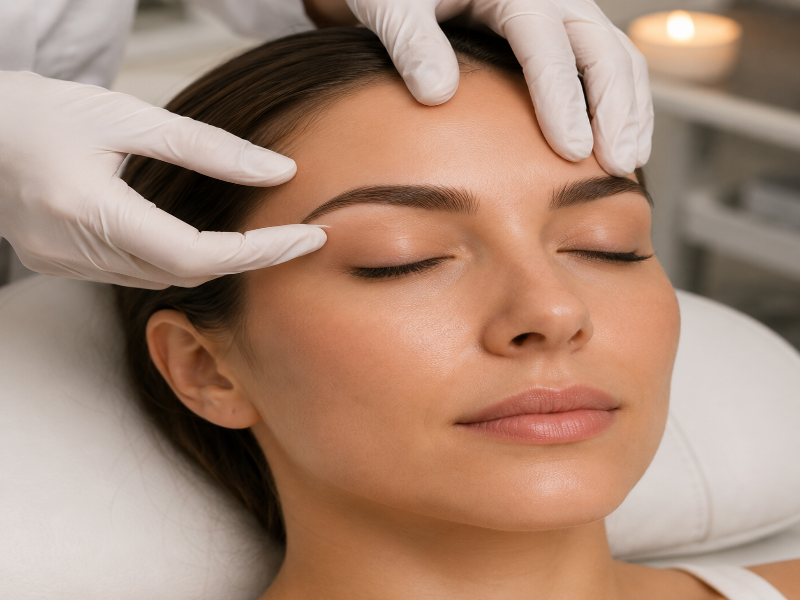
Eyebrow lifting is one of the procedures that holds an important place in facial aesthetics. It aims to move the eyebrows to a more balanced position so that the facial expression appears livelier, more rested, and younger. This procedure can be planned with surgical or non-surgical methods depending on the person’s needs and helps bring the eyebrows to a higher position that is compatible with the facial structure.
Specialist physicians evaluate the person’s facial anatomy, eyebrow position, forehead structure, and skin elasticity together when planning this procedure. In surgical eyebrow lifting methods, more controlled approaches such as endoscopic techniques may be preferred. Since these techniques can be applied with more limited incisions, they may help the recovery process progress more comfortably and make scar appearance less noticeable.
As a result, the appearance achieved with the brow lift procedure may contribute to the face gaining a more dynamic and refreshed expression. Balancing the eyebrow position is important not only aesthetically but also in terms of making the facial expression appear more open and energetic. However, how the procedure will be planned should be determined by a specialist doctor’s evaluation according to the person’s facial structure and expectations.
Who Is Eyebrow Lifting Suitable For?
Who is eyebrow lifting suitable for? This question is one of the important topics that many people considering an aesthetic procedure wonder about. In general, individuals who are uncomfortable with their eyebrow position, think they look more tired or older due to low eyebrows, may be candidates for this procedure. However, the suitability decision should not be made only according to aesthetic expectations; facial anatomy, skin structure, and general health condition should also be taken into consideration.
Low eyebrows may become more noticeable with the aging process. Decreased skin elasticity, downward displacement of tissues in the forehead area, and the effect of gravity may cause the eyebrows to appear lower over time. This may lead to the facial expression being perceived as tired, older, or sad.
A tired expression is also one of the common reasons evaluated for eyebrow lifting. Looking constantly tired, unhappy, or sad may affect a person’s perception in social and professional life. Eyebrow lifting aims to reduce this appearance by helping the eyebrows and forehead area move to a more balanced position.
Facial structure is also an important criterion in suitability evaluation. Due to genetic factors, some individuals may naturally have eyebrows positioned lower. This structure may make the person’s facial expression appear harsher or more tired than it actually is. Therefore, it is important that candidates for eyebrow lifting are evaluated by considering their facial anatomy and expectations. Since each individual’s needs are different, the most accurate approach is to make a suitability decision after examination and evaluation by a specialist doctor.
Causes of Low Eyebrow Appearance
Low eyebrow appearance may be an aesthetic concern for many people. The main causes of this condition include genetic factors, the aging process, and environmental effects. Genetic factors may cause individuals to naturally have a lower eyebrow structure. This inherited feature may cause the eyebrows to be positioned lower and the facial expression to be perceived as more tired.
The aging process is also one of the important causes of low eyebrow appearance. Over time, the skin loses its elasticity, and with the effect of gravity, the eyebrows may move downward. This may create a tired and older appearance in the facial expression. In addition, environmental factors such as continuous sun exposure, smoking, and insufficient attention to skin care may accelerate the skin aging process and contribute to eyebrow drooping.
As a result, understanding the causes of low eyebrow appearance plays an important role in evaluating the need for eyebrow lifting. These causes help create a personalized procedure plan. In this way, eyebrow position can be evaluated in harmony with the person’s facial structure and expectations.
Relationship Between Tired Expression and Eyebrow Lifting
A tired expression is one of the common conditions in facial aesthetics and is often associated with low eyebrows. When the eyebrows are in a low position, the upper eyelids may appear heavier, and as a result, the overall facial expression may be perceived as tired. This appearance may cause the individual to look constantly tired or sad instead of energetic and lively.
Eyebrow lifting is one of the methods evaluated to reduce this appearance. When the eyebrows are moved to a more balanced and higher position after the procedure, the eye area and facial expression may gain a more open appearance. This change may support a sense of youthfulness and freshness in the individual’s overall appearance and help create a more positive impression in social interactions.
A tired expression may affect not only aesthetic appearance but also a person’s self-confidence. Therefore, aesthetic solutions such as eyebrow lifting may support not only physical appearance but also the person’s feeling of well-being. However, since this effect may vary from person to person, expectations should be properly evaluated before the procedure.
Effect of Facial Structure on Suitability for Eyebrow Lifting
Facial structure is a critical factor in suitability evaluation for eyebrow lifting. Each individual’s facial muscles, skin structure, and bone structure are unique. Therefore, eyebrow lifting should not be considered a standard application but an aesthetic procedure that needs to be planned individually. Facial structure directly affects the natural position of the eyebrows and the expected appearance after the procedure.
For example, eyebrow position may be evaluated differently in individuals with a wide forehead structure, while more careful planning may be required for people with a narrow forehead structure. In addition, the natural curve of the eyebrows, existing symmetry, and the structure of the tissues around the eyes also play an important role in procedure planning. Therefore, detailed analysis of facial structure helps determine the most suitable approach for the person.
A correct evaluation and planning process contributes not only to a more harmonious aesthetic appearance but also to a safer and more controlled procedure process. Therefore, understanding the effects of facial structure on eyebrow lifting is extremely important for healthy planning of the aesthetic intervention.
Expectation Analysis: What Should Be Expected from Eyebrow Lifting?
It is important for everyone considering eyebrow lifting to understand what to expect from this procedure. Having realistic expectations helps post-procedure satisfaction to be evaluated more healthily. Among the most commonly expected changes after the procedure are a younger, livelier, and more rested facial expression. Moving the eyebrows to a higher position may support a more open appearance around the eyes.
However, as with every aesthetic intervention, eyebrow lifting also has some limitations. The procedure may produce different results depending on the existing skin structure, natural position of the eyebrows, facial anatomy, and the technique used. Therefore, discussing expectations in detail with a specialist doctor before the procedure helps the process progress more consciously.
As a result, the appearance aimed to be achieved with eyebrow lifting may vary according to personal needs and facial structure. Therefore, open and honest communication during the expectation analysis process is important. The person clearly expressing what they want and the doctor realistically evaluating these expectations may be decisive for post-procedure satisfaction.
Pre-Procedure Examination Process
A detailed examination process is required before eyebrow lifting. This process is important both for evaluating the person’s suitability for the procedure and for making the most accurate planning. During the examination, the doctor carefully examines the patient’s general health condition, skin structure, eyebrow position, and facial anatomy.
At this stage, a detailed discussion is held about the patient’s aesthetic expectations and goals. The focus is on what results the person wants to achieve and what kind of change they expect after the procedure. This information helps the doctor shape the procedure specifically according to the patient’s needs.
The examination process also includes informing the patient about the post-procedure recovery period. Informing patients about what kind of care they should apply during this process and what points they should pay attention to contributes to a more controlled recovery process. Therefore, pre-procedure examination is one of the most important stages of eyebrow lifting planning.
Specialist Doctor Planning and Important Points
Aesthetic interventions such as eyebrow lifting progress more healthily and in a more controlled way when planned by a specialist doctor. A specialist doctor creates a personalized procedure plan not only with technical knowledge but also with an aesthetic evaluation perspective. This planning process is important for managing the patient’s safety, expectations, and recovery process before and after the procedure.
The specialist doctor explains the important points that should be considered at every stage of the procedure to the patient. These points include pre-procedure preparations, the technique to be applied, post-procedure care, and the recovery process. Patients carefully following the specialist doctor’s recommendations during this process may help the recovery process progress more comfortably and in a controlled way.
As a result, healthy planning of aesthetic procedures such as eyebrow lifting depends on cooperation between the doctor and the patient. Adopting a personalized approach with specialist doctor planning allows aesthetic goals to be evaluated more realistically. Therefore, detailed consultation, examination, and personal planning before the procedure should not be neglected.