
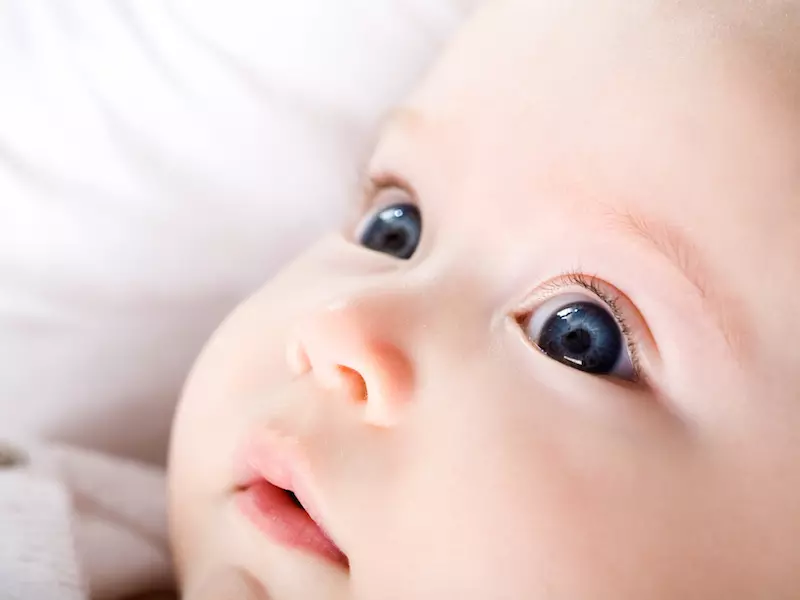
When Is a Baby’s Eye Color Determined?
A baby’s eye color is a topic many parents are curious about. Although babies are often born with blue or gray eyes, these colors may not be permanent. The question of when a baby’s eye color is determined can be answered by observing these changes over time. Typically, a baby’s eye color begins to develop within the first few months of life, but it may take several years to fully settle.
The process of determining a baby’s eye color depends on the development of pigments in the iris, the colored part of the eye. As the amount of melanin in the iris increases, eye color may change. For example, eyes with low melanin tend to be lighter, such as blue or green, while higher melanin levels result in darker shades like brown or black.
These changes are largely influenced by genetic factors. However, environmental factors may also play a role. Eye color development is a dynamic process, and it is often difficult to define an exact timeframe. It is important for parents to observe these changes carefully, as the process is unique for each baby.
Eye Color Development in Babies
Eye color development in babies becomes more noticeable during the first months of life and typically becomes more defined within the first six months. However, in some cases, this process may continue up to two years. The initial blue or gray appearance is due to the lack of melanin in the iris.
During the process of eye color change, babies’ eyes often go through a noticeable transformation. This is characterized by increased melanin production and the distribution of pigments in the eye. For example, eyes that are initially blue may turn green or brown as melanin levels rise.
Throughout this period, it is important for parents to closely monitor their child’s eye color. Changes in eye color may provide insights into the baby’s overall development. Additionally, if any abnormalities are noticed, consulting an eye specialist is recommended.
Factors Affecting Eye Color
Eye color is influenced not only by genetic structure but also by environmental factors. Genetically, the genes inherited from each parent play a significant role in determining eye color. These include genes that control melanin production, and their combination determines how eye color appears.
Environmental factors may include light exposure and nutrition. Especially during the first months of life, the amount of light exposure can influence melanin production. Similarly, nutrition can also play an important role in eye health. For example, a diet rich in vitamin A may support eye health.
In some cases, health conditions may also affect eye color. For instance, conditions such as heterochromia can cause the eyes to have different colors. Although such conditions are rare, it is important to consult a specialist if sudden changes in eye color are observed.
The Effect of Parents’ Eye Color
The eye color of the parents plays a decisive role in determining a baby’s eye color. Genetic inheritance shapes eye color, and the influence of the parents’ eye color is largely related to these genetic combinations. Understanding genetic inheritance is important for predicting a baby’s eye color.
A baby’s eye color is determined by a combination of genes inherited from both parents. Each parent carries two genetic alleles, and the combination of these alleles determines the baby’s eye color. For example, two brown-eyed parents are less likely to have a blue-eyed baby, but it is not impossible.
Due to genetic variations, a baby’s eye color may sometimes differ from expectations. In addition, the eye colors of other family members should also be considered. Genetic traits inherited from grandparents may also play a role in shaping the baby’s eye color.
Eye Color Change in Babies
Eye color change in babies may begin within the first few months of life and can continue until around the age of two. This process is associated with changes in the level of pigmentation in the iris. The question of when a baby’s eye color fully settles is usually answered at the end of this process.
During this period, a baby’s eye color typically becomes darker. Eyes that are initially blue or gray may turn into shades of green, hazel, or brown as melanin production increases. This process can vary depending on genetic and environmental factors.
It is important for parents to observe these changes, as they may also provide information about the baby’s overall health. Sudden or unexpected changes in eye color, although rare, may indicate certain health issues. Therefore, parents are advised to be attentive and consult a specialist if necessary.
When Should a Baby’s Eye Color Be Checked?
A baby’s eye color usually becomes more noticeable within the first few months of life, which is also the period when it should be monitored. Parents should carefully observe any changes in their baby’s eye color. This is useful both for satisfying curiosity and for detecting potential health issues early.
Monitoring eye color can be part of regular health check-ups. During these check-ups, the healthy development of the eyes is evaluated, and any abnormalities can be addressed if necessary. Conditions such as heterochromia or anisocoria may cause noticeable differences and require professional evaluation.
In conclusion, parents should regularly monitor their baby’s eye color and consult an eye specialist if they notice any concerns or changes. Eye health is closely related to overall health and should not be neglected.
 Call
Call
 Whatsapp