
When Does a Newborn Baby’s Eye Color Change?
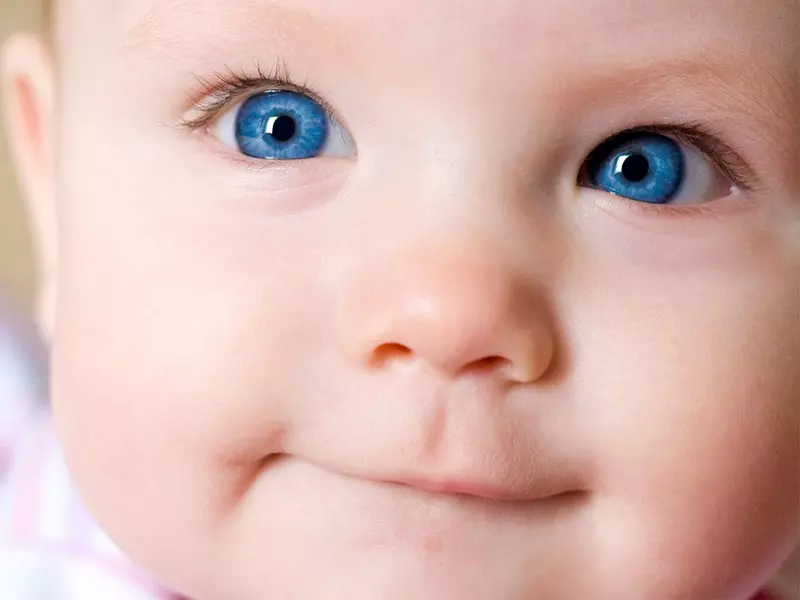
Newborn babies’ eye color is usually in shades of blue, gray, or brown. After birth, a baby’s eyes become a major point of curiosity for parents. A newborn’s eye color may not be fully defined at first and can change over time. This is a topic that every parent wonders about, as eye color significantly influences a baby’s overall appearance.
The eye color of newborns depends on the amount of pigment in the colored part of the eye called the iris. The pigmentation of the iris is related to the presence of a pigment called melanin. Melanin is a natural pigment that absorbs light and determines eye color. Newborn babies’ eyes may appear lighter until melanin production increases.
A baby’s eye color can change during the first few months after birth. During this period, the eyes begin to produce more melanin, which may cause the eye color to become darker. However, in some babies, eye color may remain the same from birth and not change.
Causes of Eye Color Change
The main reason for eye color change is the increase or decrease in melanin production. Melanin is responsible for color changes in the skin, hair, and eyes. After birth, the amount of melanin in a baby’s eyes may change due to environmental factors and genetic structure. This change usually becomes noticeable within the first six months.
Melanin production can be triggered by increased exposure to light. When babies are born, they transition from the dark environment of the womb to a brighter world, exposing their eyes to more light. This can stimulate melanin production and lead to changes in eye color.
In some babies, eye color may change more quickly or more slowly depending on genetic factors. The eye colors of family members can provide clues about how the baby’s eye color may develop. However, genetics alone is not the only determining factor, as environmental influences also play an important role.
When Does a Newborn Baby’s Eye Color Change?
The question when does a newborn baby’s eye color change is something many parents wonder about. Generally, a baby’s eye color shows noticeable changes within the first six months after birth. During this period, the color may become darker or lighter. However, in some cases, eye color may continue to change until the age of two.
Eye color change in babies is usually linked to increased melanin production. During the first six months, the iris accumulates more melanin, which can cause the eye color to appear darker. If a baby’s eyes are initially blue or gray, they may transition to darker shades such as brown or green over time.
The speed of this change can vary depending on genetic structure and environmental factors. In some babies, changes occur rapidly, while in others, they happen gradually. Therefore, it is important for parents to be patient and respect the baby’s natural development process.
Genetic Factors of a Baby’s Eye Color
A baby’s eye color is largely determined by hereditary genetic factors. The eye colors of the mother and father can provide clues about how the baby’s eye color will develop. However, eye color genetics is highly complex and is determined by the interaction of many genes.
Genetic factors play a key role in determining eye color. For example, brown eye color is generally considered a dominant genetic trait, while blue eye color is considered recessive. This means that brown-eyed parents are less likely to have a blue-eyed child, although it is not impossible. Genetic variations and the eye colors of previous generations can further complicate this outcome.
In addition to hereditary factors, genetic mutations may also cause changes in eye color. In some cases, a baby’s eye color may change unexpectedly, highlighting the complexity of genetic structure. Therefore, each individual’s eye color is unique and reflects their genetic heritage.
Environmental Factors Affecting a Baby’s Eye Color
Environmental factors can also play an important role in the change of a baby’s eye color. Factors such as light, temperature, and nutrition can influence melanin production and, consequently, eye color. These factors can shape how eye color develops before it becomes permanent.
When babies are exposed to more light after birth, melanin production may increase. For this reason, eye color often changes within the first few months. Light can stimulate melanin production, leading to darker eye color. However, this change does not occur in the same way for every baby.
Nutrition also plays a role in eye color development, as it affects overall health. A balanced and adequate diet supports healthy growth and contributes to proper eye development. Therefore, parents should pay attention to their baby’s nutrition and ensure they receive essential vitamins and minerals.
 Call
Call
 Whatsapp