
When Does a Newborn Baby’s Eye Color Become Permanent?
A newborn baby’s eye color is a topic of great curiosity for many parents. Those who want to know when their baby’s eye color will become permanent often research this subject. In this article, we will explore when a newborn’s eye color becomes clear, along with the development process and the factors that influence it.
What Is a Newborn Baby’s Eye Color?
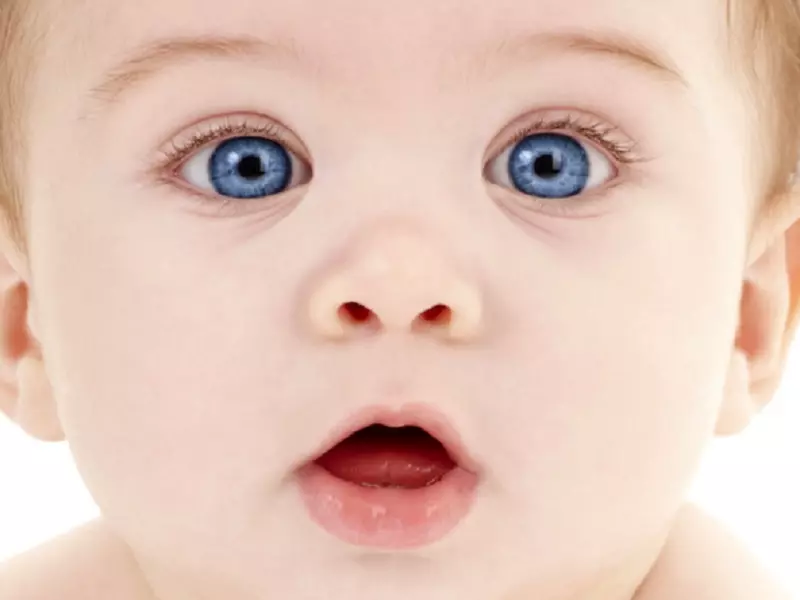
At birth, a baby’s eye color is usually blue or gray. However, this does not mean that the eye color is permanent. Newborns typically have low levels of melanin, the pigment responsible for eye color, which makes their eyes appear lighter. Over time, melanin levels can change, affecting eye color.
A newborn’s eye color usually begins to change within the first few months. As melanin production increases, the eye color may become darker. Eyes that initially appear blue or gray may later turn brown, green, or hazel.
It is difficult to give an exact timeframe for when eye color becomes permanent. However, it generally becomes more defined between 6 to 12 months after birth. During this period, melanin levels stabilize, leading to a more permanent eye color.
When Does Eye Color Become Noticeable in Babies?
The process of eye color becoming noticeable depends on several factors, including genetics, environmental influences, and melanin production. Genetic factors play a major role, but environmental elements can also contribute.
As melanin production increases, a baby’s eye color becomes more defined. This process typically begins within the first six months and may continue up to one year. While eyes may initially appear blue or gray, they can gradually shift to darker shades such as brown or hazel.
In some cases, eye color may take longer to settle. Some babies may continue to experience changes up to the age of two. This is usually seen in babies with slower melanin production. However, in most cases, eye color becomes largely stable by the first year.
Changes in Newborn Eye Color
The change in a baby’s eye color is a fascinating process. It occurs as melanin production increases over time. Melanin not only affects eye color but also influences skin and hair color.
In the first few months, a baby’s eyes may appear lighter. As melanin accumulates, color changes become more noticeable. This process often results in a transition to darker shades.
The speed and pattern of these changes can vary from baby to baby. Some experience rapid changes, while others go through a slower transition. These differences depend on genetic and environmental factors.
Factors That Affect Eye Color
Eye color is influenced by multiple factors, with genetics being the most significant. The eye color of parents plays a major role in determining the baby’s eye color. For example, if both parents have blue eyes, the likelihood of the baby having blue eyes is higher, although not guaranteed.
Environmental factors can also have an impact. Exposure to sunlight may increase melanin production, potentially causing the eye color to darken. Additionally, nutrition and overall health can influence melanin levels.
Another factor is ethnic background. Individuals from different ethnic groups may have varying melanin levels. For example, people of Asian and African descent tend to have higher melanin levels and darker eye colors, while those of European descent often have lighter eye colors.
Family Genetics and Eye Color Relationship
Family genetics play a crucial role in determining a baby’s eye color. Eye color is inherited through a combination of genes from both parents. While it is possible to estimate a baby’s eye color based on parental traits, the outcome is not always predictable.
The inheritance of eye color involves a complex interaction of multiple genes. Different combinations can produce different results. For example, if one parent has blue eyes and the other has brown eyes, the baby’s eye color may reflect traits from both.
Family history can also influence eye color. Grandparents’ eye colors may affect the baby’s eye color as well. Therefore, having diverse eye colors within a family can increase the variation seen in the baby.
Development of Eye Color in Babies
The development of eye color in babies goes through significant changes during the first year of life. This process is closely related to the increase and distribution of melanin in the eyes.
During the first few months, changes in eye color become more noticeable. Eyes may shift from blue or gray to darker shades such as brown or green. This is due to the accumulation of melanin.
In most cases, eye color becomes more defined by the age of one. However, in some situations, changes may continue up to two years. This is typically associated with slower melanin production and genetic factors.
Frequently Asked Questions About Baby Eye Color
1. Does a baby’s eye color become clear immediately after birth?
No, a baby’s eye color does not become clear immediately after birth. Changes usually begin within the first few months and become more noticeable between 6 to 12 months.
2. When does a baby’s eye color become permanent?
A baby’s eye color generally becomes permanent by around one year of age. However, in some cases, changes may continue up to two years.
3. What is the role of genetics in eye color change?
Genetics play a major role in determining eye color. The eye colors of parents and family history can influence the baby’s eye color.
4. Is there anything to be concerned about during eye color change?
Eye color change is usually a natural process and not a cause for concern. However, if there are unusual changes or signs of eye problems, it is advisable to consult a specialist.
5. Do environmental factors affect eye color change?
Yes, environmental factors can influence eye color changes. For example, exposure to sunlight may increase melanin production, which can lead to darker eye color.
 Call
Call
 Whatsapp