


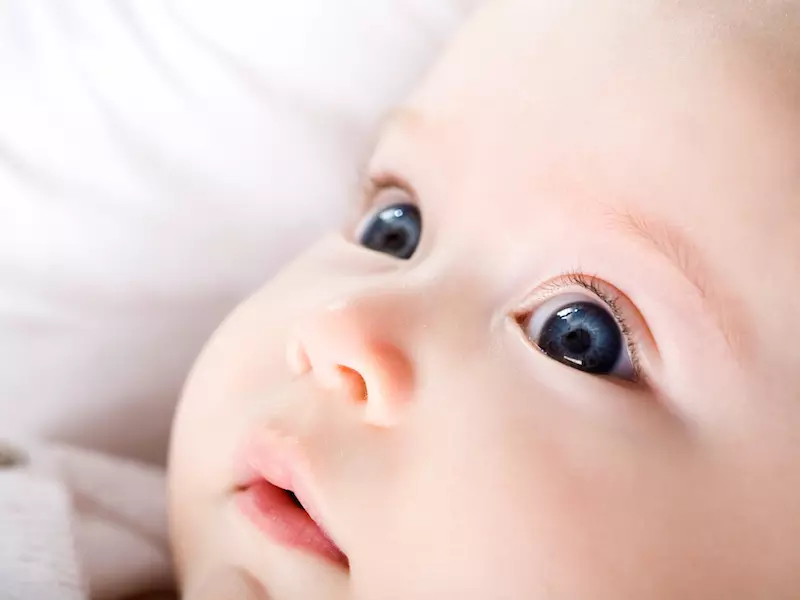
A baby’s eye color is a topic of curiosity for many parents. Most newborns are born with blue or gray eyes, but this color can change over time. So, when does a baby’s eye color change? This process usually begins between the first six months and one year. However, in some babies, eye color change may continue for several years. Behind this change are biological processes such as genetic factors and melanin production.
The change in eye color occurs as a pigment called melanin accumulates in the iris of the eye. As the amount of melanin increases, the eye color becomes darker. In the following months, your baby’s eye color starts to become more distinct and takes on its permanent shade. However, this process varies for each baby, and there is no exact timeline.
In this article, we will examine in detail how and why your baby’s eye color changes, helping you understand this fascinating process. We will also discuss which factors affect your baby’s eye color and when this change may be completed.
Formation of Eye Color and Genetic Factors
The formation of eye color is directly related to our genetic structure. The color of the iris depends on the amount of melanin pigment. Melanin is an important pigment that also plays a role in hair and skin color. Genetic inheritance from the family plays a critical role in determining a baby’s eye color. The eye colors of the mother and father create the possible combinations for the baby’s eye color.
Genetics plays a complex role in determining eye color. There are two main genes that determine eye color, and these genes have many different alleles. The combinations of these alleles create the diversity of eye colors. For example, since brown eye color is generally a dominant trait, if one parent has brown eyes, the probability that the baby will also have brown eyes is high.
However, genetics is not always simple. Often, genetic traits inherited from grandparents can also come into play and produce unexpected results. Therefore, your baby’s eye color may not be clearly defined at birth and may change over time. This process can be exciting and full of surprises for parents.
The Process of Eye Color Change in Babies
The process of eye color change in babies begins at birth and develops over time. Newborns are usually born with blue or gray eyes because their eyes have not yet produced enough melanin. Melanin production plays a key role in the change of a baby’s eye color, and this production process begins in the first few months.
Between the first three to six months, you may notice significant changes in your baby’s eye color. During this period, melanin production increases, and the iris begins to gain more pigment. The eyes may shift from their lighter initial color to a darker shade. This change usually occurs gradually, and you can observe your baby’s eye color evolving within the first six months.
By the time your baby reaches one year of age, eye color is largely stabilized in most cases. However, in some babies, this process may take longer, and eye color may continue to change until the age of two or three. The duration and final color depend on genetic and environmental factors.
Which Eye Colors Are More Common?
The most common eye color worldwide is known to be brown. Brown eyes occur due to a high accumulation of melanin pigment and are considered a dominant genetic trait. Therefore, brown eyes are the most frequently seen eye color across many cultures.
Following brown eyes, blue and green eyes are also common. Blue eyes appear when melanin levels are low and are more common among individuals of European descent. Green eyes are usually formed by a combination of blue and brown eye color alleles and are considered relatively rare.
In addition, less common eye colors such as gray and hazel also exist. Gray eyes are characterized by low melanin levels similar to blue eyes, while hazel eyes may contain a mix of blue, green, and brown tones. Each eye color results from different levels of melanin and genetic combinations, contributing to the fascinating diversity of human eye color.
Factors Affecting Eye Color Change in Babies
Factors affecting a baby’s eye color change include genetics, health conditions, and environmental influences. First, genetic factors play the most significant role. The eye colors of the parents and family history greatly influence the baby’s eye color. For example, if both parents have brown eyes, the probability of the baby having brown eyes is high.
Health conditions may also cause changes in eye color. In some rare cases, certain genetic conditions or health issues may lead to differences in eye color. However, such changes are not common. Regular medical check-ups are important to ensure that your baby is developing healthily.
Environmental factors can also influence eye color. In particular, lighting conditions can affect how eye color is perceived. Eyes may appear different under various lighting conditions, which can be mistaken for a change in eye color. However, this change is not permanent and is limited to the effect of light.