
When Does a Baby’s Eye Color Become Permanent?
A baby’s eye color is a major curiosity for parents and close relatives. The question “When does a baby’s eye color become permanent?” is one of the most frequently asked by new parents. In this article, we will explore the scientific processes behind changes in eye color and the factors involved, aiming to ease parents’ concerns.
The Development Process of Eye Color in Babies
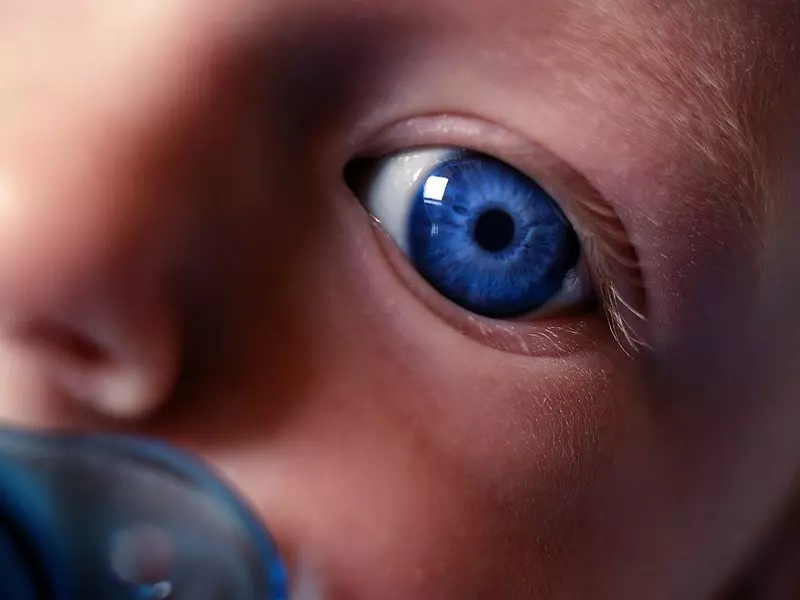
When babies are born, their eyes are often blue or gray. This is because the iris—the colored part of the eye—does not yet contain enough melanin pigment. Melanin is the natural pigment responsible for the color of the skin, hair, and eyes. In the first few months after birth, melanin production increases, leading to changes in eye color.
Within the first six months, a baby’s eye color usually begins to change gradually. During this period, the eyes may become darker or lighter. As the pigmentation of the iris increases, the eye color becomes more defined. However, this process develops at different speeds for each baby. While some babies’ eye color stabilizes within six months, for others it may take up to two years or even longer.
Generally, eye color becomes more noticeable between 9 and 12 months. However, reaching a fully permanent eye color may take up to two years. Therefore, it is normal for your baby’s eye color to change over time, and patience is important.
Factors Affecting Eye Color
Several factors influence eye color, with genetics and pigmentation levels being the most important.
Genetics:
Eye color is controlled by multiple genes that affect iris pigmentation. Even if both parents have different eye colors, the baby may inherit any variation due to complex genetic combinations.
Melanin Levels:
Melanin is the primary pigment that determines eye color. Higher melanin levels result in darker eyes, while lower levels lead to lighter eye colors. Babies are usually born with low melanin levels, which is why their eyes appear lighter initially.
Light and Environmental Factors:
Exposure to light and environmental conditions can influence how eye color is perceived and may slightly affect melanin production over time.
How Does Eye Color Change in Babies?
The change in eye color is a complex biological process. After birth, cells called melanocytes begin producing melanin. As melanin levels increase, eye color gradually changes and becomes more distinct. This process typically begins in the first months and may continue for several years.
Early Stage:
In the first months, eye color is usually light because melanin levels are still low, making eyes appear blue or gray.
Transition Period:
Around six months, melanin production increases. During this phase, eye color becomes more noticeable and may shift to darker or different tones.
Permanent Color:
By around two years of age, melanin levels stabilize, and the eye color becomes permanent.
Frequently Asked Questions About Baby Eye Color
When is a baby’s eye color fully determined?
A baby’s eye color usually becomes permanent within two years, although this may vary.
How long does eye color change continue?
Eye color changes generally occur during the first two years as melanin production increases.
Why does eye color change?
It changes due to increasing melanin production and genetic influences.
Why can siblings have different eye colors?
Because eye color is influenced by multiple genes, genetic combinations can differ for each child, even within the same family.
For more detailed information, it is always recommended to consult a healthcare professional or eye specialist. Remember, changes in a baby’s eye color are a natural process and may vary from one child to another.
 Call
Call
 Whatsapp