
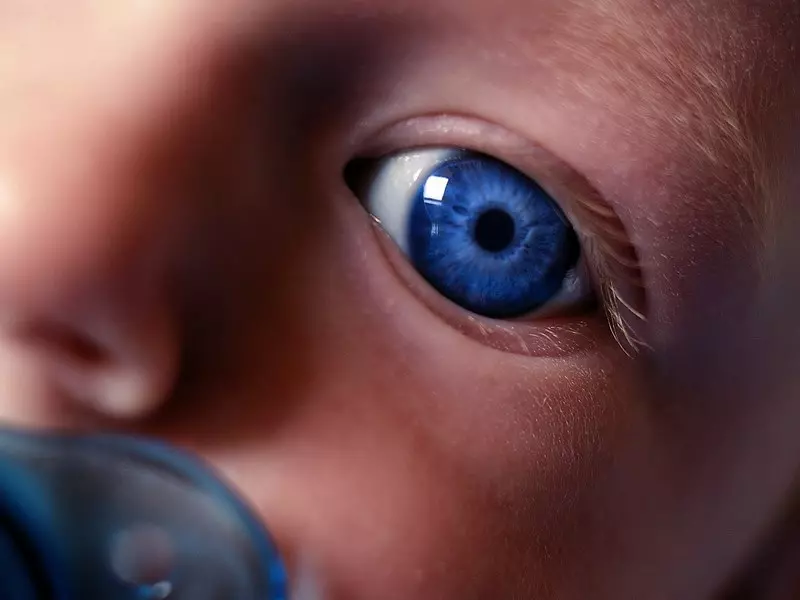
When Do Newborn Babies’ Eye Colors Change?
Hello dear parents and curious readers! The question when do newborn babies’ eye colors change is a topic that occupies the minds of many parents. We often wonder how the beautiful eye color our babies have at birth will change over time. In this article, we will provide detailed information about the change in newborn babies’ eye colors, explaining how this process works and what we should pay attention to.
What Is Eye Color and How Is It Formed?
Eye color is determined by the amount of pigmentation in the iris layer of the eye. The pigment called melanin is the main component that determines eye color. Eyes with a high amount of melanin are generally darker, while eyes with low melanin appear lighter. The diversity of eye colors is a result of genetic variations, which is why each individual may have a different eye color.
The formation of eye color is encoded in our genetic code. The combination of genes inherited from the mother and father determines the baby’s eye color. However, the eye color seen at birth may not always be permanent. Babies are usually born with blue or gray eyes because melanin production has not yet fully started. Over time, melanin production increases, and the eye color begins to take on its true shade.
Another factor involved in eye color formation may be light and environmental influences. The duration and intensity of exposure to light can affect melanin production, which may lead to slight changes in eye color. However, these changes are usually minimal and not as decisive as genetic factors.
Eye Color Change Process in Newborn Babies
The first few months after birth are the period when eye color change is most noticeable. The eye color at birth is usually not permanent and may change over time. This change process typically occurs most intensively between the first 6 to 9 months. However, in some babies, this process may continue until the age of one.
During the first few months, melanin production begins to increase, and the eye color becomes more distinct. For example, a baby born with blue eyes may develop brown or green eyes within a few months. Since this process progresses very gradually, parents may not always notice the change immediately. However, with careful observation, it is possible to follow the changes in eye color.
Genetic factors play an important role in the eye color change process. The eye colors of the mother and father largely influence the baby’s final eye color. For example, a child of two brown-eyed parents is most likely to have brown eyes. However, due to the complex nature of genetics, unexpected eye colors may sometimes occur.
Genetic Factors in Eye Color Change
Genetic factors are one of the most influential components in the change of babies’ eye colors. The genes inherited from the mother and father are the main elements that determine eye color. Eye color has a complex genetic structure involving multiple genes. Therefore, it can sometimes be difficult to predict how the eye color will change.
Eye color is genetically determined through dominant and recessive genes. Brown eye color is generally a dominant trait and is therefore more common. Blue and green eyes are carried by recessive genes and appear when two recessive genes come together. Therefore, the probability of two blue-eyed parents having a blue-eyed child is high.
However, eye color is not limited only to the parents’ eye colors. Genes from grandparents or even earlier generations may also influence eye color. For this reason, it is quite common to encounter surprises in the eye color change of babies. Although it is not possible to predict exactly how the eye color will change, genetic factors play a major role in this process.
Environmental Effects on Eye Color Change in Babies
Environmental effects are also a factor that should not be ignored in the process of eye color change in babies. Although genetic factors are the main determinant, environmental influences may cause some changes in eye color. These changes are usually not very pronounced but can be noticed with careful observation.
Among environmental factors, light is the most important. As babies’ eyes are exposed to light after birth, melanin production increases, which may lead to changes in eye color. For example, babies growing up in darker environments may have lighter eye colors, while those exposed to more sunlight may develop darker eye colors.
In addition, the geographical region where babies live may also cause changes in eye color. The intensity and duration of sunlight vary in different regions, which can affect melanin production. As a result, although environmental factors are not as influential as genetic factors, they may still play a role in eye color change.
Things to Consider During Babies’ Eye Color Change
The change in babies’ eye color is a natural and inevitable process. However, there are some points to consider in order to better understand and manage this process. First of all, it is important for parents to be patient. Eye color change usually occurs over several months, so patience is required.
It is also important for parents to carefully observe changes in their baby’s eye color. This helps them understand how the process is progressing and consult a specialist if necessary. Especially if sudden or unexpected changes in eye color are noticed, it is recommended to consult an eye doctor.
Finally, parents should consider the effects of environmental factors on eye color. Babies’ eyes should not be exposed directly to sunlight. This is an important step in protecting eye health. Changes in eye color are a result of both genetic structure and environmental influences, and it is important to accept this process as a natural part of development.
 Call
Call
 Whatsapp