
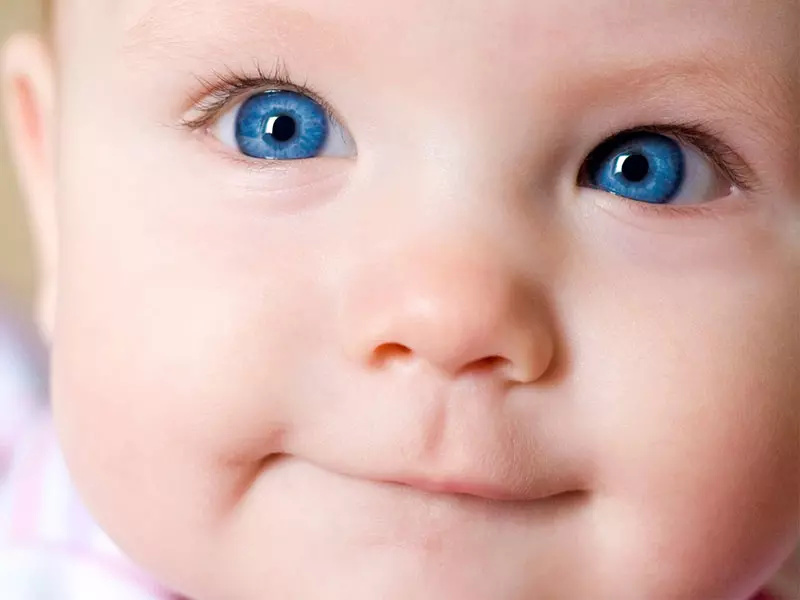
When Do Newborn Babies’ Eye Colors Become Permanent?
The eye color of newborn babies is one of the topics that parents and families are most curious about. Many parents wonder whether their baby’s eye color will remain the same and when the final color will become clear. In this article, we will examine in detail when newborn babies’ eye colors become visible, how this process works, and what should be considered. While answering the question “When do newborn babies’ eye colors become permanent?”, we will also explore the genetic structure of eye color and the role of family history.
The Genetic Structure of Eye Colors
Genetic factors play a significant role in determining eye color. The genotypes of parents influence their children’s phenotypes, meaning their physical characteristics. Genetic inheritance is a key factor in eye color. Two main pigments, melanin and lipochrome, form the basis of eye color, and the proportion of these pigments determines how the eye color appears.
Melanin is a brown pigment, and the amount present in the eye determines how dark the eye color will be. Higher levels of melanin result in darker eyes, while lower levels lead to lighter eye colors. Lipochrome is a yellowish pigment and is more prominent in green eyes. The genetic structure influences how these pigments are distributed, shaping the final eye color.
In addition to genetic factors, environmental influences and developmental processes may also affect eye color formation. However, genetics remains the primary determinant. The combination of the parents’ eye colors can greatly influence a baby’s eye color. Due to genetic inheritance, a baby’s eye color may sometimes resemble that of another family member.
Initial Eye Colors in Newborn Babies
Newborn babies are often born with gray or blue eyes. This occurs because melanin production in the eyes is low during fetal development. After birth, the eyes begin to be exposed to light more frequently, which stimulates melanin production. This process allows the baby’s eye color to gradually change and eventually reach its final shade.
During the first three to six months, noticeable changes in eye color may occur. As melanin levels increase, the eye color may become darker and more defined. However, in some babies, this process may take longer, and the eye color can continue to change until around two years of age. Therefore, it is difficult to give a precise timeframe when answering the question of when newborn babies’ eye colors become permanent.
During this period, it is important for parents to observe any changes in their baby’s eye color. Since every baby develops at a different pace, eye color changes may also vary individually. While waiting for the final eye color to appear, parents should also pay attention to their baby’s eye health and care.
The Process of Eye Color Change
Newborn babies’ eye colors often change continuously during the first few months. This process usually begins as the eyes are exposed to light and melanin production increases. In the early months, eye color changes often shift toward darker tones. However, in some babies, the eye color may stabilize in lighter shades.
In addition to melanin production, the distribution of melanin is also important in this process. If melanin is not evenly distributed across the iris, different eye colors may appear. For example, some babies may have a darker center in the eye while the outer part remains lighter. These changes may continue until the eye color reaches its final form.
During this time, it is important for parents to remain patient and understand that eye color changes naturally. Since every baby develops at a different rate, the final eye color may appear at different times. The change in eye color is simply a reflection of the baby’s genetic makeup and is a natural part of development.
Factors That Determine Newborn Eye Colors
Several factors influence the eye color of newborn babies. These include genetic structure, environmental influences, and biological processes. The most significant factor is genetics, which shapes the baby’s eye color through inherited genetic codes from the parents. The combination of the mother’s and father’s eye colors plays a major role in determining the baby’s eye color.
Environmental factors may also have a minor influence. For example, the environment in which the baby grows, the amount of light, and how light interacts with the eyes may affect melanin production. However, environmental factors are generally less influential than genetics and rarely cause permanent changes in eye color.
Biological processes also contribute to the determination of eye color. Melanin production and distribution in babies play an important role in this change. An increase in melanin levels may cause the eye color to darken. These biological processes may continue until the eye color reaches its final appearance.
The Relationship Between Eye Color and Health
In some cases, eye color may have connections to health conditions. A sudden change in eye color or an unusual appearance may indicate certain health issues. For example, if the eyes develop a yellowish tint, it may signal liver-related problems. For this reason, sudden or unusual changes in a baby’s eye color should be evaluated by a healthcare professional.
Eye health can also reflect overall health. Regular eye examinations for babies can help detect potential health problems early. Eye health is an important aspect of a baby’s development, and symptoms such as sensitivity to light, excessive tearing, or redness may indicate possible health concerns.
Parents should pay close attention to their baby’s eye health and schedule regular eye checkups. Early diagnosis can help identify and treat potential eye problems. Eye health can provide valuable insights into a baby’s overall well-being and contribute to healthy development.
The Role of Family History
Family history plays an important role in determining a baby’s eye color. The eye colors of parents and other family members may influence the baby’s eye color through genetic inheritance. Therefore, understanding which eye colors are dominant in the family can provide clues about how the baby’s eye color may develop.
Genetic inheritance may come not only from parents but also from grandparents and earlier generations. In some cases, this means a baby’s eye color may appear different from the eye colors seen in the immediate family. Family history can also provide insight into genetic predispositions related to eye health.
Being aware of family eye color patterns helps parents better understand their baby’s eye color development. It can also highlight potential hereditary eye health issues that may need attention. Considering family history is therefore an important step in protecting a baby’s eye health and preventing potential problems.
Baby Eye Care and Health
Eye care is essential for the healthy development of babies. The newborn period is a critical time for establishing the foundations of eye health, and parents should be particularly attentive during this stage. Babies’ eyes are more sensitive to infections and irritation, so hygiene and cleanliness are very important.
To keep a baby’s eyes clean, parents can gently wipe around the eyes with a soft and clean cloth. Monitoring the baby’s eyes regularly is also important to detect any abnormalities early. Symptoms such as redness, excessive tearing, or discharge may indicate an eye infection or other health issues.
Regular medical checkups are also essential for protecting a baby’s eye health. A qualified eye specialist can evaluate the baby’s eye condition and intervene early if necessary. These examinations allow early diagnosis and treatment of eye health problems. Prioritizing eye health is an important responsibility for parents to ensure their baby grows and develops in a healthy way.
 Call
Call
 Whatsapp