
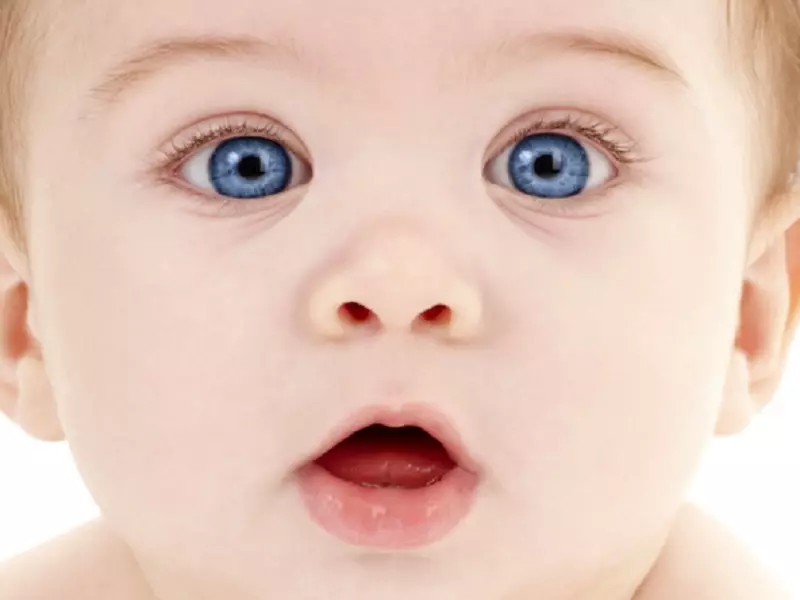
When Do Newborn Babies’ Eye Colors Become Clear?
The question “When do newborn babies’ eye colors become clear?” is one that many new parents eagerly wonder about. A baby’s eye color may not be fully defined immediately after birth. At first, eyes often appear in shades of blue or gray, but over time they gradually develop their permanent color. However, both the process and the final eye color depend on several different factors.
How Eye Color Forms
The formation of eye color is a complex combination of genetic and biological processes. The main factor determining eye color is the amount of melanin in the iris, the colored part of the eye. Melanin is also the pigment responsible for skin and hair color. In newborn babies, melanin production begins after birth, and this process plays a major role in the development of eye color.
As melanin levels increase, eye color tends to shift toward darker tones. For example, eyes with low melanin levels often appear blue, while eyes with higher melanin levels may appear brown. This biological process occurs at different speeds in each baby, which is why it can take time for the final eye color to become clear.
In most babies, eye color begins to stabilize within the first six months, although in some cases the process may continue for up to two years. During this time, parents can observe how their baby’s eye color gradually changes.
Eye Color Changes in Newborns
The eye color of newborn babies can change quickly during the first months of life. This change is related to the increase or decrease in melanin production in the eyes. Eyes that initially appear blue or gray may later turn into shades such as brown, green, or hazel.
The most noticeable period of change usually occurs during the first six months after birth. During this time, melanin levels increase rapidly and eye color may gradually darken. For example, eyes that initially appear blue may later become brown, green, or hazel.
This transformation is influenced not only by genetic factors but also by environmental conditions. For instance, exposure to sunlight may stimulate melanin production and affect eye color. For this reason, the eye color development process is unique for every baby.
Genetic Factors of Eye Color
Genetics play a major role in determining eye color. Genes inherited from the mother and father are the most important factors influencing a baby’s eye color. The genes that determine iris color have many variations, which is why babies may have different eye colors.
Genetic inheritance may also influence how the eye color changes over time. For example, if brown eyes are dominant in the family, the baby’s eye color is more likely to become brown. However, certain genetic combinations may result in different eye colors appearing.
In addition to genetics, epigenetic changes may also influence eye color. These changes are related to how environmental factors affect gene expression and may occasionally lead to unexpected variations in eye color.
The Process of Determining Eye Color in Newborns
The process of determining a newborn’s eye color requires patience and careful observation. This process develops alongside the baby’s growth and generally occurs in several stages. Parents can monitor these stages to observe the changes in their baby’s eye color.
First Months:
Newborn babies are usually born with blue or gray eyes. During this period, melanin levels in the eyes are still low, so color changes have not yet begun.
First Six Months:
During this stage, melanin production increases and eye color may shift toward darker shades. Parents may begin to notice visible changes in eye color during this time.
First Year:
In most babies, eye color becomes clearer by the age of one. However, in some cases eye color changes may continue until the age of two.
Taking notes or documenting these changes with photos can help parents better understand their baby’s eye color development.
Things to Consider for Eye Health in Newborns
Eye health in newborn babies is just as important as determining their eye color. Proper care is necessary to support healthy vision development. Here are some important points to keep in mind:
Visual Stimulation:
Use colorful toys and objects to provide visual stimulation for your baby. This may help strengthen the baby’s eye muscles.
Eye Examinations:
Regular eye checkups for newborns are important for early detection and treatment of potential issues. If you notice any abnormalities, consult an eye specialist.
Sunlight Protection:
Protect your baby’s eyes from strong sunlight by using hats or baby sunglasses when necessary. Excessive sunlight exposure may negatively affect eye health.
Paying attention to eye health is important not only for observing eye color development but also for supporting your baby’s overall well-being.
 Call
Call
 Whatsapp