
When Do Eye Colors Become Clear?
Eye color is an interesting topic for many people. Everyone’s eye color can be different, shaped by factors ranging from genetics to environmental influences. In this article, we will examine why eye colors change, when they become clear, and the scientific explanations behind this process.
Why Do Eye Colors Change?
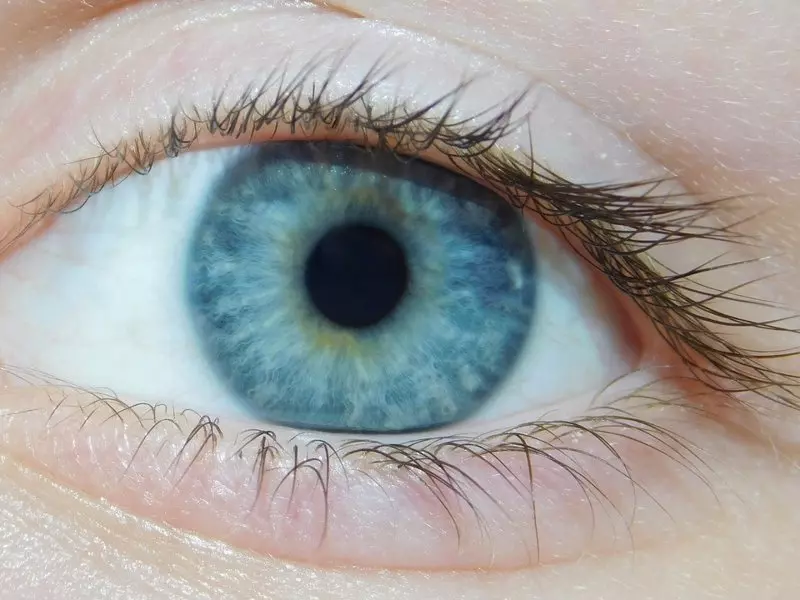
Eye color mainly depends on the distribution and density of pigments in the iris, the colored part of the eye. The amount of melanin in the stromal layer of the iris determines eye color. Generally, as melanin increases, the eye color becomes darker.
Blue Eyes: Low melanin levels cause light to scatter more within the iris.
Green and Hazel Eyes: Moderate melanin levels create varying shades due to light reflection at different angles.
Brown Eyes: High melanin levels result in a darker appearance.
Factors such as lighting conditions, mood, and health can temporarily affect how eye color appears. For example, some people notice their eyes looking darker or lighter under stress. Additionally, age and hormones can also influence eye color over time.
When Do Eye Colors Become Clear?
A baby’s eye color can change during the first few months after birth. Most newborns are born with blue or gray eyes because melanin production is not yet fully developed. As babies grow, melanin production increases and eye color becomes more defined.
Typically, eye color becomes clearer between 6 and 12 months. However, in some children, this process may continue up to 3 years. During this period, changes in eye color can be exciting for parents, as they may observe different shades over time.
The variability in infant eye color is mainly due to increasing melanin levels after birth. As melanin distribution stabilizes, the eye color gradually settles into its final form.
Determinants of Eye Color
The most important factor in determining eye color is genetic inheritance. Genes passed down from parents directly influence a child’s eye color. Scientists describe eye color as a polygenic trait, meaning it is determined by the interaction of multiple genes.
Key Genes:
OCA2: Plays a major role in determining the difference between brown and blue eyes.
HERC2: Influences the activity of the OCA2 gene, affecting whether eye color appears lighter or darker.
In addition to genetics, environmental factors and health conditions can also affect eye color. Certain medications or medical conditions may lead to changes in eye pigmentation.
Eye Color in Babies and the Change Process
Newborn babies usually have blue or gray eyes because melanin production has not yet fully started. Over time, melanin begins to accumulate in the eyes, leading to darker or more defined eye color.
How Do Babies’ Eye Colors Change?
0–6 Months: Noticeable changes occur as melanin production increases.
6–12 Months: Eye color becomes more defined and often stabilizes.
1–3 Years: In some cases, changes may continue until this age.
Observing these changes can be an enjoyable experience for parents. However, it is important to remember that final eye color is largely determined by genetics.
Eye Color and Genetic Factors
The relationship between eye color and genetics is quite complex. Eye color is not determined by a single gene but by the interaction of multiple genes, each influencing melanin production and distribution.
Genetic Inheritance and Eye Color:
Parental Influence: A child’s eye color can often be predicted based on the parents’ genetics, but not always with certainty.
Recessive and Dominant Genes: Brown eye color is typically dominant, while blue eye color is considered recessive. This is why two brown-eyed parents can still have a blue-eyed child.
Along with genetics, environmental factors and health conditions may also influence eye color. For instance, certain illnesses or medications can lead to changes in eye pigmentation.
 Call
Call
 Whatsapp