
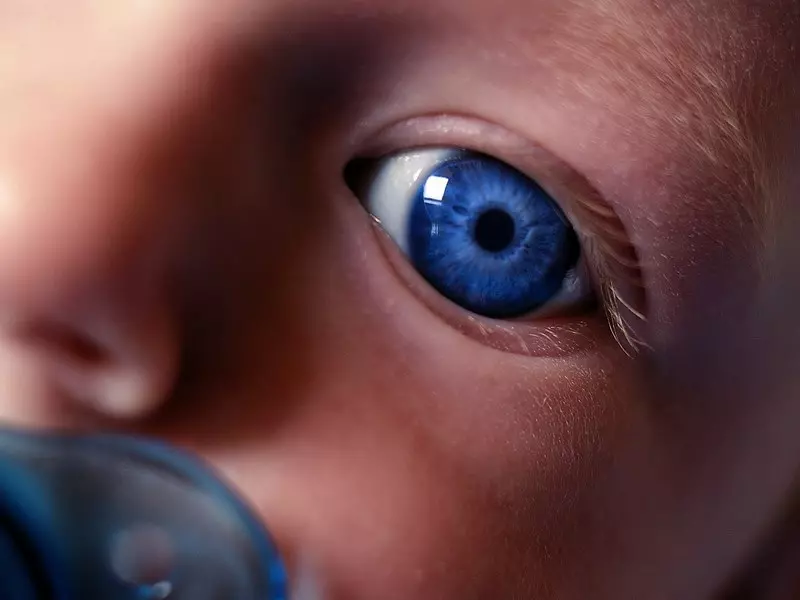
When Do Babies’ Eye Colors Settle?
Babies’ eye colors are a fascinating topic for parents. A child’s eye color can change after birth and may take some time to become permanent. In this article, we will explore how babies’ eye colors develop over time and what factors influence this process.
Why Do Babies’ Eye Colors Change?
Changes in babies’ eye color are linked to the production of a pigment called melanin. At birth, many babies appear to have blue or light gray eyes because they have very little melanin in their irises. As melanin production increases, eye color may gradually change. This process continues until the eyes reach their final color.
Increased exposure to light may stimulate melanin production. During the first months of life, as babies are exposed to more light, melanocytes begin producing more melanin. This can cause the eyes to darken and eventually settle into their permanent shade. Since each baby produces melanin at a different rate, the timing and degree of change vary from child to child.
The process of eye color change is influenced by environmental factors, genetic structure, and hormonal changes. In particular, heredity plays a major role in determining the final eye color. The eye colors and genetic background of the parents can directly influence the baby’s eye color.
The Development Process of Eye Color
The development of eye color generally occurs in three main stages. In the first stage, babies are often born with bluish eyes due to low melanin levels. At this time, their eyes are also quite sensitive to environmental influences and light.
The second stage begins as melanin production increases. This usually occurs between the first six months and the first year after birth. Melanocytes become more active, and melanin production accelerates. As a result, the eyes may gradually darken, shifting toward shades such as blue, green, hazel, or brown.
The final stage is when eye color stabilizes. This process is typically completed around the age of three. At this point, melanin production balances out, and the eyes reach their permanent color. However, in some cases, subtle changes may continue beyond this age.
When Does a Baby’s Eye Color Become Permanent?
Babies’ eye colors usually become permanent between the ages of two and three. This occurs as melanin production slows and stabilizes. However, since every child develops at a different pace, the exact timing may vary.
In some babies, eye color changes rapidly after birth, while in others the process takes longer. For example, some children’s eye color settles before their first birthday, while for others it may continue changing until around age three. Patience is important during this period.
Once eye color stabilizes, it generally remains the same throughout life. In rare cases, hormonal changes or certain health conditions may cause changes later in life. However, such situations are uncommon and are usually linked to specific biological factors.
The Role of Genetics
Genetics plays a major role in determining a baby’s eye color. The eye colors of both parents are among the most important influencing factors. However, due to the complex nature of genetic inheritance, the outcome is not always predictable.
Eye color results from the interaction of multiple genes. In particular, the OCA2 and HERC2 genes are critical in determining eye color. These genes influence melanin production and help define the final shade of the eyes. Variations in these genes can result in blue, brown, green, or hazel eyes.
Family history may also provide clues about a baby’s potential eye color. The eye colors of other family members can offer insights, although outcomes are not guaranteed. Genetic inheritance can sometimes lead to surprising results.
Factors That Influence Eye Color
In addition to melanin production and genetics, several other factors may influence eye color. These include environmental influences, light exposure, and hormone levels.
Environmental Factors
Environmental factors, especially light exposure, may stimulate melanin production and influence eye color changes. After birth, increased exposure to light may encourage melanin production, leading to darker eye tones.
Hormones
Hormone levels can also influence eye color. During periods of significant hormonal change, such as puberty or pregnancy, slight variations in eye color may occur. However, these changes are usually subtle and temporary.
Health Conditions
Certain health conditions may affect eye color. Some genetic or eye-related disorders can alter melanin production, leading to changes in eye pigmentation. In such cases, consulting a specialist is recommended.
Characteristics of Different Eye Colors
Eye color is not only an aesthetic feature but may also be associated with certain traits and health tendencies. Each eye color carries unique characteristics and cultural meanings.
Blue Eyes
Blue eyes typically contain less melanin and may be more sensitive to sunlight. Individuals with blue eyes may be more sensitive to bright light, so wearing sunglasses for protection is often recommended. In many cultures, blue eyes symbolize calmness and serenity.
Brown Eyes
Brown eyes are the most common eye color worldwide and contain higher levels of melanin. This provides better protection against sunlight. Brown-eyed individuals are often described as outgoing and energetic. In various cultures, brown eyes symbolize warmth and trust.
Green and Hazel Eyes
Green and hazel eyes are less common and often considered striking. These eye colors may contain varying levels of melanin and can appear to shift in tone depending on lighting conditions. Green eyes are frequently associated with creativity and mystery, while hazel eyes are often linked to adaptability and balance.
The Relationship Between Eye Color and Health
Eye color may offer certain insights into overall health. Some eye colors are associated with specific sensitivities or risks.
Photophobia
Because blue eyes contain less melanin, they may be more sensitive to sunlight, potentially leading to light sensitivity known as photophobia. Wearing sunglasses can help protect sensitive eyes.
Eye Conditions
Brown eyes may offer better protection against harmful UV rays due to higher melanin levels. However, pigmentation-related eye conditions can still occur, making regular eye examinations important for everyone.
General Health
Eye color may sometimes be associated with certain genetic conditions. For example, some rare genetic disorders can influence pigmentation and eye appearance. Therefore, eye color should not be viewed solely as an aesthetic trait but also as part of overall health awareness.
Supporting Healthy Eye Development in Babies
Supporting eye development in babies is an important responsibility for parents. Taking certain precautions can help protect and promote healthy visual development.
Regular Checkups
Routine eye examinations are important for detecting potential vision problems early and ensuring proper development.
Light Protection
Babies’ eyes should be protected from harmful UV rays. Avoiding direct sunlight and using protective measures such as hats in bright conditions can be beneficial.
Nutrition
Proper nutrition supports eye health. Ensuring adequate intake of essential nutrients, especially vitamin A, contributes to healthy eye development.
In conclusion, babies’ eye colors can undergo significant changes during the first years of life. This process is closely linked to genetic factors, environmental influences, and melanin production. As parents, paying attention to eye health and maintaining regular checkups can help ensure healthy visual development.
 Call
Call
 Whatsapp