
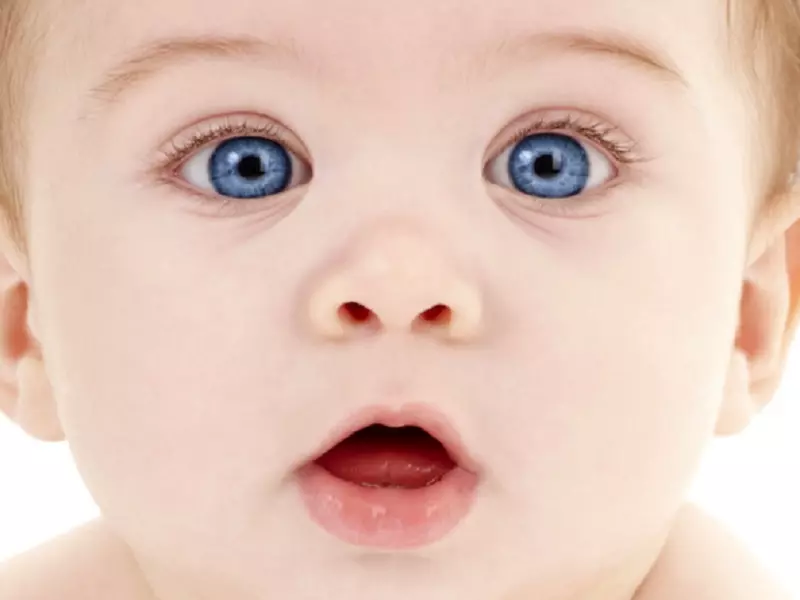
When Do Babies’ Eye Colors Become Permanent?
Babies’ eye colors have always been a subject of curiosity for parents. A newborn baby’s eyes are usually blue or gray, but it may take some time to understand whether these colors are permanent. So, when do babies’ eye colors become permanent? This process generally varies between a few months and one year. However, each baby develops differently, and various factors may influence this process.
The process of eye color stabilization mostly depends on the production of a pigment called melanin. When a baby is born, the colored part of the eye, called the iris, has not yet fully started producing melanin. As melanin production increases, the eye color begins to change. For example, eyes that initially appear blue may turn darker over time.
It is important to be patient during this process. Every parent wonders how their baby’s eye color will develop, but in most cases, this process progresses naturally. The best answer to the question of when babies’ eye colors become permanent is that it happens over time and through natural development.
Formation of Eye Color and Genetic Factors
Eye color is determined by genetic factors. The genes of the mother and father largely influence what eye color the baby will have. In the formation of eye color, the iris plays a key role, and the amount of melanin in the iris determines the eye color.
Genetic factors can result in eye colors such as blue, green, or brown. For example, if both parents have brown eyes, the baby is more likely to have brown eyes as well. However, genetic complexity can sometimes lead to surprising outcomes, and blue-eyed parents may have a brown-eyed child.
The genetic structure of eye color is quite complex, which can make predicting babies’ eye colors difficult. Genetic factors also play a role in determining other characteristics such as the size and shape of the eyes. Therefore, each baby’s eye color is unique and develops according to their genetic makeup.
The Process of Eye Color Change in Babies
The process of eye color change in babies usually begins within the first six months after birth. During this period, noticeable changes in eye color can be observed. Eyes that are initially blue or gray may become darker or take on a different color over time. This change is related to the production of melanin, and as the amount of this pigment increases, the eye color may darken.
This process can vary from person to person. In some babies, eye color changes quickly, while in others it may take longer. By the end of the first year, the eye color is usually largely settled. However, in rare cases, eye color may continue to change until the age of three.
Another factor to consider during this process is lighting conditions. Eye color may appear different under different lighting. For example, eyes may look lighter in sunlight and darker in dim light. Therefore, observing the eyes under various lighting conditions can help determine the true eye color.
Factors Affecting Babies’ Eye Color
There are many factors that affect babies’ eye color. The most important of these is genetics, but environmental influences can also cause changes in eye color. While melanin production is determined by genetic factors, environmental factors may influence this production.
Light Exposure: During the process of eye color stabilization, exposure to light plays an important role. Melanin production can be triggered by light, which may cause the eye color to change more quickly.
Nutrition: Some studies suggest that nutrition may affect melanin production. However, there is no definitive scientific evidence on this matter. Still, a balanced and healthy diet can positively affect overall development.
Health Condition: Certain health issues may lead to changes in eye color. In particular, some genetic disorders can cause unexpected changes in eye color.
Considering these factors, it can be said that the process of eye color change in babies is quite complex. Each baby has a unique developmental process, and both genetic and environmental factors play a role.
The Effect of Parents’ Eye Colors on the Baby
Parents’ eye colors have a significant influence on the baby’s eye color. Genetic factors play a major role in determining eye color, and the eye colors of the parents can help predict what eye color the baby may have.
For example, two brown-eyed parents usually have a brown-eyed child. However, due to genetic complexity, a blue- or green-eyed child may sometimes be born. This situation is generally explained by the genetic contribution of other family members.
Parents’ eye colors can also affect the baby’s eye color change process. For example, if one parent has dark-colored eyes, the baby’s eye color will also usually be darker, and melanin production may begin more quickly.
 Call
Call
 Whatsapp