
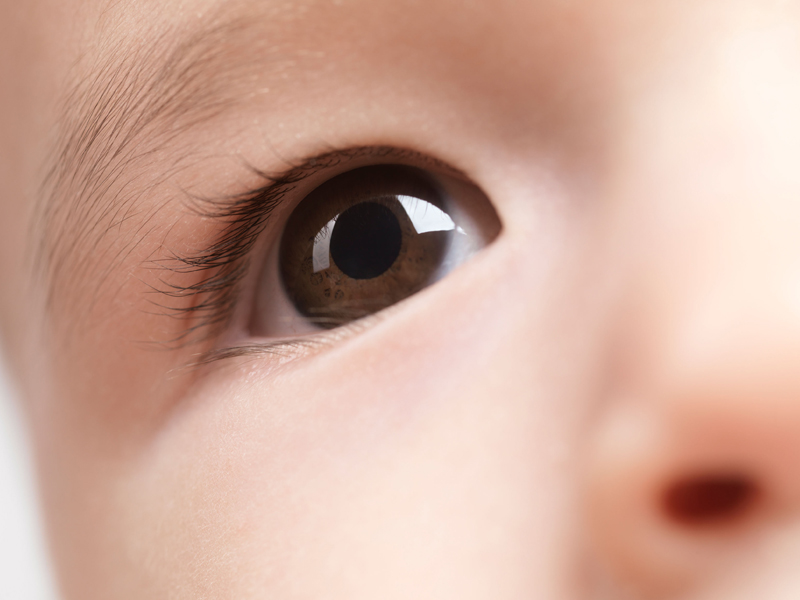
When Do Babies’ Eye Color Become Clear?
One of the most common questions parents ask is: when do babies’ eye color become clear? This question relates to when a baby’s eye color becomes permanent. At birth, babies’ eyes are usually blue or gray, but this color may change over time. Eye color typically becomes permanent around the age of one, although in some cases this process may continue until the age of two or three.
The development of eye color in babies is related to the accumulation of a pigment called melanin in the eyes. Melanin is the substance that determines eye color, and as it accumulates in the iris over time, the color may change. This process is completely natural and occurs at different times for each baby. Therefore, it is important to be patient and allow the baby’s eye color to change naturally.
The exact timing of when a baby’s eye color becomes clear depends on many factors, including genetics, environmental influences, and the rate of melanin production. As a result, the timeline may vary for each baby.
Baby Development and Eye Color
During a baby’s development, many changes occur, and eye color is one of them. Right after birth, most babies have blue or gray eyes due to the underdevelopment of melanin. As the baby grows and interacts more with the environment, eye color may begin to change.
The first six months are the period when eye color changes the most. During this time, eyes may take on different shades depending on the parents’ eye color and genetic background. For example, if one or both parents have dark eyes, the baby’s eyes may gradually become darker.
Eye color change is a natural part of growth and usually stabilizes around the age of one. However, in some cases, eye color may continue to change until the age of three. For this reason, parents are advised not to expect the eye color to settle immediately and instead enjoy this natural process.
Genetic Factors in Eye Color Determination
Eye color is largely determined by genetic factors. The genes inherited from the mother and father are the main elements shaping a baby’s eye color. This genetic inheritance also influences when the eye color will become fully established.
Dominant and recessive genes: Eye color genes include dominant and recessive traits. For example, brown eye color is typically dominant, which is why children of brown-eyed parents are more likely to have brown eyes.
Genetic combinations: If both parents have blue eyes, the likelihood of the baby having blue eyes is quite high. However, due to the complexity of genetics, eye color cannot always be predicted with certainty.
Polygenic inheritance: Since eye color is determined by multiple genes, different combinations can lead to different outcomes. This may cause some babies’ eye color to become clear later than others.
Due to these genetic influences, changes in a baby’s eye color are natural, and the process may be completed at different times for each individual.
Interesting Facts About Babies’ Eye Colors
There are many interesting facts about babies’ eye colors that can help you better understand how and why they change.
Blue-eyed at birth: Most babies are born with blue or gray eyes due to the lack of melanin, and this may change over time.
Melanin accumulation: As the baby grows, melanin accumulates in the eyes, leading to changes in eye color. This process usually begins around six months and may continue until the age of one.
Effect of light: Babies’ eye color may appear different depending on lighting conditions. Sunlight, in particular, can make eye color appear more pronounced.
Permanent eye color: In most babies, eye color becomes permanent around the age of one, although in some cases it may take up to three years.
In addition to these facts, it is important to remember that changes in eye color are a natural process and may occur at different times for each baby.
Changes in Babies’ Eyes
The change in babies’ eye color is an exciting process for parents. This change is usually observed during the first year of life and occurs in different stages.
The first stage occurs in the first few months after birth. During this period, babies’ eyes are typically blue or gray due to the lack of melanin. As the baby grows and interacts with the environment, melanin levels increase and eye color begins to change.
The second stage starts around six months and is when eye color change becomes more noticeable. During this time, eye color may darken and approach its permanent shade. The exact timing depends on genetic factors and melanin production. This process is usually completed by the age of one but may continue until the age of three in some cases.
Eye Health Check in Babies
Eye health in babies is an important part of overall health and should be monitored through regular check-ups. There are several important points to consider in order to protect babies’ eye health and detect potential issues early.
Regular eye examinations: It is important to take babies for regular eye check-ups. The first eye examination is usually recommended within the first six months after birth. This helps detect potential problems early.
Eye contact and tracking ability: A baby’s ability to make eye contact and follow objects is an important indicator of eye health. Observing these abilities and consulting a doctor in case of abnormalities is essential.
Eye infections and allergies: Eye infections and allergies are common in babies. If symptoms such as redness, tearing, or swelling are noticed, it is important to consult a specialist promptly.
Paying attention to eye health can positively influence a baby’s overall development. Therefore, regular eye check-ups and early detection of potential issues are very important.
Methods of Communicating with Babies Through Eye Contact
One effective way to communicate with babies is through eye contact. Babies’ eyes not only reflect changes in color but also their emotional and social development. Establishing eye contact helps create a sense of trust and affection.
Eye contact: Making eye contact helps babies feel safe and supports the development of their social skills. Frequently looking at your baby and maintaining eye contact can strengthen your bond.
Facial expressions: Babies learn a lot from facial expressions. Using facial expressions while speaking helps convey emotions and thoughts more effectively, contributing to their emotional development.
Tone of voice and gestures: Using tone of voice and gestures can attract a baby’s attention and improve communication. Babies are sensitive to changes in tone and facial expressions.
These methods can help you communicate more effectively with your baby and positively support their development.
 Call
Call
 Whatsapp