
What Will Be the Eye Color of a Child with Hazel-Eyed Parents?
It is quite common to wonder what the eye color of a child will be when both parents have hazel eyes. Eye color is determined by a complex interaction of genetic and environmental factors. However, for those who want to learn more about the eye color of a child born to hazel-eyed parents, it is important to understand some basic principles.
Eye Color Genetics and Inheritance
Eye color is one of the most fascinating areas of genetics. It is primarily determined by two main pigments: melanin and lipochrome. While melanin causes the eyes to appear darker, lipochrome contributes to lighter tones. The density and distribution of these pigments form the basis of eye color.
Genetic coding plays a decisive role in the inheritance of eye color. Genes inherited from each parent determine what the child’s eye color will be. These genes are classified as dominant and recessive. Dominant genes can override others and lead to more prominent traits.
When both parents have hazel eyes, the likelihood of their child also having hazel eyes increases. However, due to genetic variation, it is also possible for the child to have a completely different eye color, such as brown or blue.
Interesting Facts About Hazel Eye Color
Hazel eye color is relatively rare and often attracts attention. One of its most distinctive features is its ability to change appearance depending on the angle of light. Hazel eyes can display shades of green, brown, or even golden tones.
People with hazel eyes often notice that their eye color appears different under varying lighting conditions. This is due to the way pigments inside the eye reflect light differently. This characteristic makes hazel eyes unique and visually striking.
In many cultures, hazel eyes are associated with beauty and mystery. Individuals with hazel eyes are often perceived as creative and emotionally expressive, which adds a special meaning to this eye color.
Eye Color Diversity in Children of Hazel-Eyed Parents
There is considerable variation in eye color among children of hazel-eyed parents. This is due to genetic complexity and variation. Children may inherit different combinations of genes from their parents, leading to a range of possible eye colors.
A child’s eye color is not determined solely by the parents’ eye color. Genes present in the family line, even from previous generations, can also play a role. As a result, eye colors such as blue, green, or brown may appear.
Other factors influencing the eye color of children with hazel-eyed parents include environmental influences and physiological changes. For example, a newborn’s eye color may change over time, typically within the first few years.
Environmental Factors Affecting Eye Color
In addition to genetic factors, environmental influences can also affect eye color. Especially during infancy, the amount and type of light exposure can influence eye color development. Babies often experience changes in eye color within the first year after birth.
Environmental factors include nutrition, sun exposure, and overall health. For instance, adequate intake of vitamins and minerals can positively affect eye health, which may also influence the clarity of eye color.
Eye color changes are usually not permanent, but in some cases, lasting changes may occur. Situations such as trauma or illness can lead to permanent changes in eye color, although these cases are rare and unpredictable.
Differences Between Hazel and Other Eye Colors
Hazel eye color differs from other eye colors and often draws more attention. It is rarer than common eye colors such as brown, blue, and green. Therefore, individuals with hazel eyes tend to have a more distinctive visual presence.
Hazel eyes contain pigments that can shift in tone depending on the angle and intensity of light. This causes them to appear differently in various environments. For example, they may look lighter in natural light and darker in dim lighting.
Individuals with hazel eyes generally have lower levels of melanin compared to darker eye colors. This may make them more sensitive to UV rays. Wearing sunglasses can be an important step in protecting eye health.
Dominant and Recessive Genes in Inheritance
The role of dominant and recessive genes in inheritance is critical in determining eye color. Dominant genes can prevail in physical traits such as eye color and suppress recessive genes. This influences how a child’s eye color develops based on parental genetics.
In eye color genetics, brown genes are typically dominant, while blue and green genes are recessive. However, since hazel eyes result from a mixture of pigments, genetic combinations can be more complex. Children of hazel-eyed parents may sometimes have unexpected eye colors.
Gene combinations in inheritance affect not only eye color but also hair and skin color. However, it is not always possible to predict exactly how eye color will be passed on. Genetic diversity can lead to different outcomes across generations.
Changes in Children’s Eye Color Over Time
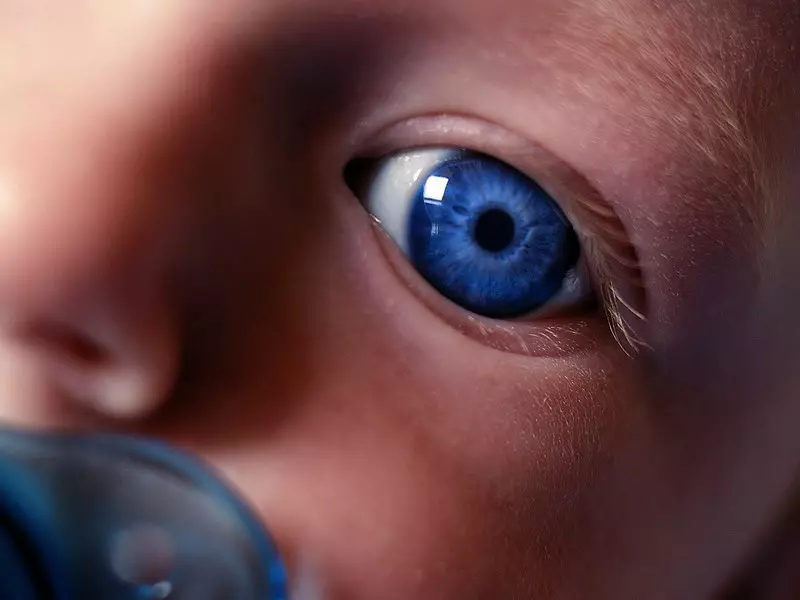
A child’s eye color can change over time after birth. These changes usually occur within the first few years. Babies are often born with blue eyes, but this color may change. As melanin production increases, the eye color may darken or shift to a completely different shade.
Changes in eye color are generally the result of a combination of genetic and environmental factors. Increased melanin production, in particular, can cause the eye color to become darker. This process is typically completed between 6 months and 3 years of age.
In some cases, eye color may continue to change into adulthood. This is often associated with hormonal changes or environmental influences. The process can vary from person to person, making precise predictions difficult.
 Call
Call
 Whatsapp