
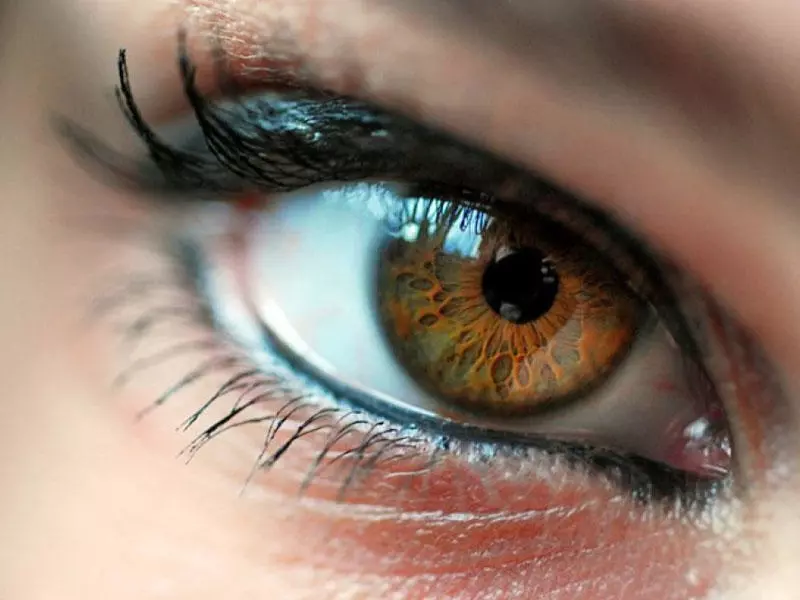
What Is the Meaning of Eye Colors?
Eye colors are one of the characteristics that make each of us unique. The question “What is the meaning of eye colors?” is something many people are curious about. Did you know that eye color is not just a physical trait but may also provide clues about our personality and psychological structure? In this article, we will explore the deeper meanings associated with different eye colors.
Psychological Effects of Eye Colors
It is believed that eye color may influence our psychological state. For example, blue eyes are often associated with calmness and tranquility. This may suggest that individuals with blue eyes tend to have a more relaxed and peaceful personality. On the other hand, brown eyes are often connected with warmth and trust, which is why people with brown eyes are frequently perceived as sincere and reliable.
Studies also show that eye color can influence first impressions. People may associate different eye colors with certain personality traits. This suggests that eye color may affect how we are perceived in social interactions. However, psychological effects are also shaped by life experiences and environment, so eye color alone is not the only determining factor.
Finally, the relationship between eye color and emotional responses is also interesting. For example, some studies suggest that individuals with lighter eye colors may be more sensitive to pain. Such findings show how complex the psychological and physiological effects of eye color can be.
Eye Color and Personality Relationship
The relationship between eye color and personality has long been a topic of discussion. People often tend to associate personality traits with eye color. For example, individuals with green eyes are often described as creative and passionate. These traits can make them appear artistic and innovative thinkers.
Brown eyes are usually associated with strong willpower and leadership abilities. People with brown eyes are often perceived as determined and dependable. For this reason, they may leave a trustworthy impression both in professional environments and in social circles.
Blue eyes, on the other hand, are often linked to a more introverted and thoughtful personality. Individuals with blue eyes may be characterized by deep thinking and emotional intelligence. This can make them empathetic individuals who are successful in building meaningful relationships. Of course, these associations are generalizations, and every individual is unique.
Cultural Meanings of Eye Colors
Different cultures have attributed different meanings to eye colors. For example, in some Asian cultures, black eyes are associated with wisdom and mystery. People with black eyes are sometimes believed to possess deep understanding and strong intuition.
In Western cultures, blue eyes are often associated with attractiveness and youthfulness. This perception may make individuals with blue eyes appear more influential in social interactions. The frequent preference for blue-eyed individuals in advertising and media is a reflection of this perception.
In Middle Eastern cultures, brown eyes are often associated with trust and loyalty. People with brown eyes may be seen as reliable partners in family and friendship relationships. These cultural perspectives demonstrate how eye color can influence social perception.
Why Does Eye Color Change?
Eye color is mostly determined by genetic factors, but in some cases it may change throughout life. Eye color changes usually occur during infancy. Babies may be born with blue or gray eyes, but this color often changes over time.
Eye color changes in adulthood are rarer but still possible. This is usually explained by changes in melanin production. In addition, certain health conditions or medications may also cause changes in eye color. For example, some medications used to treat glaucoma may darken eye color.
Although eye color changes are mostly explained by biological and genetic factors, some people prefer to temporarily change their eye color using colored contact lenses. This reflects the desire to alter appearance and create a different impression in social settings.
Eye Colors and Health Connections
Eye color may also be related to certain health conditions. For example, individuals with light-colored eyes are believed to be more sensitive to sunlight, which may increase the risk of certain eye conditions. These health connections show that eye color can provide clues about overall health.
Research also suggests that individuals with brown eyes may have a lower risk of certain types of cancer. Higher levels of melanin may provide protection against harmful UV radiation. Additionally, these individuals may also be more resistant to eye conditions such as cataracts.
On the other hand, individuals with blue or green eyes may be more sensitive to certain health conditions. This suggests that eye color can provide insights into our genetic makeup and health status. Regular eye examinations can help detect potential risks early.
Popular Eye Colors and Their Characteristics
The most common eye color worldwide is brown. Brown eyes are associated with warmth and trust and are often linked with leadership qualities. Popular eye colors may carry different meanings in different cultures and may influence social interactions.
Blue eyes are often associated with attractiveness and youthfulness. Because this color is relatively rare, it may make blue eyes appear even more special. Individuals with blue eyes are often described as empathetic and thoughtful, which may help them succeed in social environments.
Green eyes are considered rare and are often associated with mystery and creativity. Individuals with green eyes are sometimes described as artistic and innovative thinkers. Although eye color is often linked with personality traits, every person remains unique regardless of their eye color.
 Call
Call
 Whatsapp