
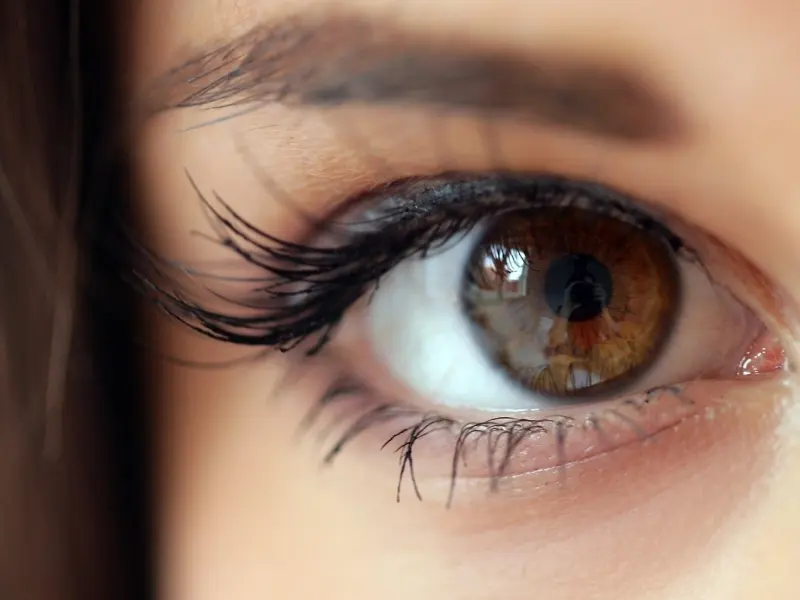
What Is the Colored Part of the Eye Called?
The eyes are one of the most noticeable and meaningful parts of our face. The colored part of the eye is generally called the iris. The iris is the circular muscle layer that surrounds the pupil and determines our eye color. This colored structure is not only an aesthetic element but also plays an important role in the functionality of the eye.
The iris regulates how much light enters the eye by controlling the passage of light through the pupil. This protects the eyes under bright light and also helps improve vision in low-light conditions. This function of the iris is vital for eye health and visual quality.
Many people may think that eye color is only an aesthetic feature, but the iris can also provide information about a person’s health. For example, certain changes or abnormalities in the iris structure may indicate specific health conditions. Therefore, it is important to protect eye health and have regular eye examinations.
Importance of Eye Color
Eye color is a trait we inherit from our family as part of our genetic makeup. This difference among individuals reflects our individuality and personal identity. Eye color has a strong influence on first impressions and is often seen as a reflection of personality.
Studies on the psychology of eye color suggest that different eye colors may be associated with certain personality traits. For example, blue-eyed individuals are often considered calmer and more introverted, while brown-eyed individuals are seen as warmer and more outgoing. However, such generalizations are not always accurate, as personality is influenced by many factors.
In addition to aesthetics, eye color is also important for health. Certain eye colors may carry a higher sensitivity to light or a predisposition to specific eye conditions. For example, lighter-colored eyes may be more sensitive to light. Therefore, proper eye care is important for maintaining both eye color and eye health.
Types of Eye Colors
Eye colors can vary in tones such as blue, green, brown, hazel, and gray. These colors are determined by the amount and distribution of melanin pigment in the eye. Brown eyes are the most common eye color in the world and are characterized by a high concentration of melanin. As melanin levels increase, the eye color becomes darker.
Green eyes contain less melanin and are generally considered rare. This color forms from a mixture of blue and brown pigments and is more common in Northern and Central Europe. Green eyes are often described as striking and captivating.
Blue eyes have low levels of melanin and typically appear with a clear blue tone. This eye color is especially common in Northern Europe. The lighter color allows more light to enter the eye, which can make them more sensitive to light.
Laser Eye Color Change Methods
Laser depigmentation is an application that focuses on the melanin pigment in the iris layer and progresses gradually and in a controlled manner. The aim of this approach is to work gently on the pigment layer to achieve a lighter and more natural-looking color change over time.
The most important aspect of this process is personalized planning. Before the application, detailed evaluations and tests are carried out. In this way, the most suitable progression plan is determined for each individual.
The process progresses slowly, in planned and regular sessions. This approach supports compatibility with the natural structure of the eye and ensures a more controlled progression. Between sessions, the eye is given time to rest, which contributes to a balanced process.
All stages are handled with a high level of technology and experience. The entire process, from beginning to end, is personally managed, and direct communication is maintained with individuals throughout.
When evaluated with the right patient selection, the correct technique, and sufficient experience, it can be stated that the potential side effects are not higher than those of wearing colored contact lenses. The most important factor at this point is that the process is carried out in a controlled, informed, and professional manner.
Factors Affecting Eye Color
The most important factor determining eye color is genetics. The genes we inherit from our parents form the basis of our eye color. However, environmental factors and age can also influence eye color over time. For example, some people may experience slight changes in eye color as they age.
Exposure to light can cause temporary changes in the appearance of eye color. Especially in lighter-colored eyes, bright sunlight can make the color appear lighter. Therefore, wearing sunglasses is beneficial for both protecting eye health and maintaining eye comfort.
In addition, certain health conditions or medications may affect eye color. For example, some eye drops may cause the iris to darken. If you notice a sudden change in your eye color, it is important to consult a specialist, as this may indicate an underlying condition.
 Call
Call
 Whatsapp