


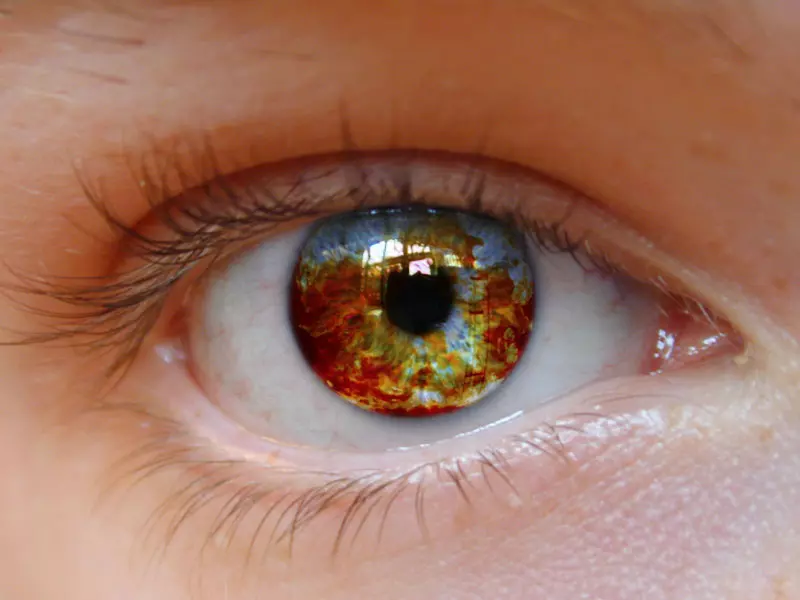
Iris pigment reduction is a process that enables eye color to transform into lighter tones. This process is carried out by reducing the pigments in the colored part of the eye. The density of pigments determines eye color, and by reducing this density, it is possible to make a change in eye color. Today, with the development of technology, this procedure can be performed safely and effectively using laser.
The reduction of iris pigments does not only serve an aesthetic purpose. Some individuals see having different eye colors as a part of their personal expression and believe that they express themselves better with this change. In addition, some cultural and social factors also increase the popularity of such changes.
Laser iris pigment reduction is a method supported by scientific research and clinical experiences. When applied with the correct techniques and safety precautions, the results can be satisfactory both aesthetically and in terms of health. However, it is important to remember that this procedure is not suitable for everyone and requires a detailed evaluation process.
The Process of Reducing Iris Pigments with Laser
Reducing iris pigments with laser requires a careful preparation and planning process. The first step is a comprehensive examination performed by an expert eye doctor. This examination is critically important to evaluate the candidate’s eye health and determine whether the procedure is suitable. During the laser procedure, the eyes are carefully targeted by a specially designed device and the pigments are reduced.
This procedure performed with laser is a non-invasive method and is generally carried out under local anesthesia. This ensures that patients do not feel any pain during the procedure. Laser energy targets the iris pigment cells and causes these cells to break down. Over time, the body naturally clears these broken-down cells and the eye color becomes lighter.
The recovery process after the procedure is generally fast. Most patients can return to their daily activities within a few days. However, there may be mild sensitivity or redness in the eyes, and it should be known that this condition is temporary. Experts recommend the use of certain eye drops and taking some precautions to protect the eyes during the post-procedure period.
What Is Laser Depigmentation?
Laser depigmentation is the process of breaking down pigment cells with a laser beam. This technique is an effective method used in various applications in aesthetic medicine. The reduction of iris pigments is one of the most well-known applications of this method. The laser beam targets the pigment cells, disrupts the structure of these cells, and allows them to be naturally cleared over time.
This method has many advantages compared to other traditional pigment reduction methods. First, minimal discomfort and pain are experienced during the procedure. In addition, the duration of the procedure is quite short, and the results can generally be observed within a short time. Laser depigmentation is also used to even out skin tone or reduce scars, but its application on iris pigments requires a different area of expertise.
Laser depigmentation not only provides an aesthetic change but can also contribute to the eyes looking healthier. The technology used during the procedure is designed to protect the general health of the eyes. Therefore, it is important for individuals considering this type of procedure to have a detailed evaluation with an expert eye physician and to receive comprehensive information about the process.
Iris Color Change with Lumineyes Technology
Lumineyes technology is an innovation that has revolutionized the field of iris pigment reduction. This technology enables the laser to be controlled precisely, making it possible to achieve the desired tone changes in eye color. Lumineyes selectively targets the targeted pigments and, in this way, provides a natural and homogeneous color transition.
Procedures performed with Lumineyes are generally completed in a few sessions. There is a certain recovery period between each session, and during this time, the eyes are expected to heal naturally. The feature of the technology is to ensure that the eyes are not harmed in any way after the procedure and that they preserve their natural appearance. This is an important factor that increases the safety and effectiveness of the procedure.
One of the greatest advantages of this technology is that it can offer personalized solutions. Each individual’s eye structure and pigment density are different; therefore, Lumineyes technology offers a customized treatment plan for each patient. This ensures that both aesthetic results and patient satisfaction reach the maximum level.
Laser Iris Pigment Reduction Applications in Ankara
Ankara is home to many clinics that offer comprehensive services in laser iris pigment reduction applications. In the capital, there are trained and experienced specialists in this field. Choosing a good clinic is critically important for the success of the procedure and patient safety.
In clinics in Ankara, first of all, a detailed eye examination is performed. During this examination, the general health of the eyes is evaluated and suitability for the procedure is determined. Specialists provide patients with detailed information about the process and ensure that expectations are managed realistically. This both increases patient satisfaction and ensures that the results are satisfactory.
The laser iris pigment reduction procedure is becoming increasingly popular in Ankara. This is an important factor in both local and international patients choosing this city. Ankara’s development in the field of health tourism contributes to the increase of such procedures and the improvement of their quality. If you are also considering reducing your iris pigments, you can obtain detailed information by researching expert clinics in Ankara.
Suitability Check and Eye Examination
Before the laser iris pigment reduction procedure, a suitability check and a detailed eye examination are essential. This process is necessary to ensure that the procedure is both safe and effective. During the eye examination, doctors evaluate the general condition of the eyes, health history, and whether there is any obstacle to the laser procedure.
During the examination, the eye doctor evaluates important factors such as retinal health, corneal thickness, and intraocular pressure. These factors are vitally important for the procedure to be performed safely. In addition, information such as the candidate’s general health condition and allergy history is also taken into consideration. This is a critical step in terms of minimizing possible risks.
In this process, candidates must be informed about the details of the procedure and all their questions must be answered. In addition, the candidates’ expectations and goals should also be taken into consideration, and information should be given about the realistic results that can be achieved as a result of the procedure. All these steps both increase the success of the procedure and raise patient satisfaction to the highest level.
Follow-Up Process and Evaluation of Results
After the laser iris pigment reduction procedure, the follow-up process is of great importance. This process is necessary to monitor the healing condition of the eyes after the procedure and to prevent any complications. During the recovery process, doctor check-ups should be performed regularly and the condition of the eyes should be closely monitored.
In the first few weeks, there may be mild sensitivity and redness in the eyes. This condition is a natural reaction after the procedure and generally disappears within a short time. During this process, doctors recommend certain eye drops and protective precautions to patients. Following these recommendations ensures that the recovery process proceeds smoothly.
The evaluation of results is a critical step in terms of measuring the success of the procedure. Patients should evaluate the eye color they have achieved after the procedure and their general satisfaction. Each individual’s experience may be different; therefore, the evaluation of results is a personal process. If you are also considering making a change in your eye color, you should stay in contact with specialists to make sure that the results meet your expectations.