
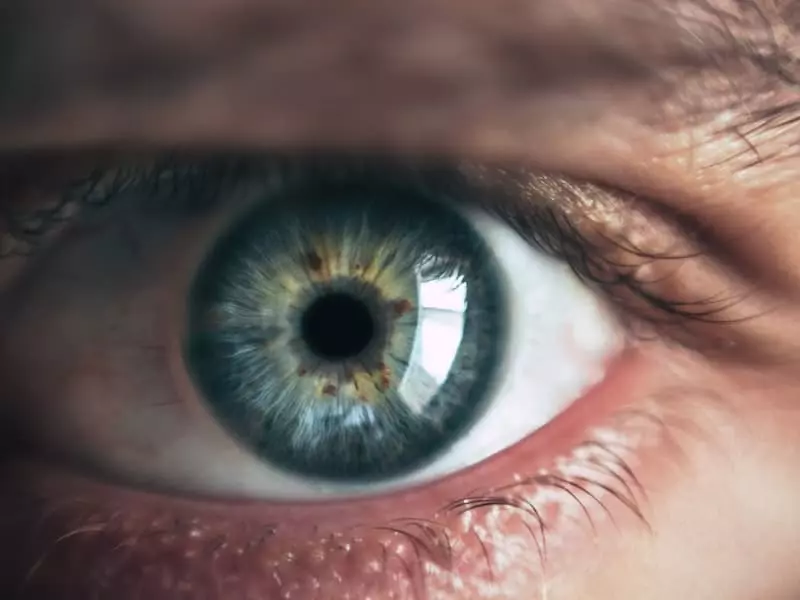
What Eye Colors Exist?
Eyes are one of the most striking physical features of humans. So, what eye colors exist? The diversity of eye color is based on genetic factors, and these colors vary according to a person’s genetic heritage. In this article, we will discuss how eye color forms, its global distribution, and rare eye colors.
Formation of Eye Color
Eye color is primarily determined by genetic inheritance. The main pigment responsible for eye color is melanin, and the amount and distribution of this pigment affect eye color. Eyes with higher melanin levels appear darker, while those with lower melanin appear lighter. The genes that determine eye color, especially OCA2 and HERC2, work together in a complex interaction to create a wide range of eye colors.
The formation of eye color is directly related to hereditary factors. Genes inherited from the mother and father determine a child’s eye color. However, this is not controlled by a single gene pair; eye color is a polygenic trait, meaning it results from the interaction of multiple genes. Therefore, children’s eye colors may not always match those of their parents.
Another factor influencing eye color is environmental conditions. Especially during infancy, eye color may change within the first few months after birth. These changes occur due to increases or decreases in melanin production. Babies are often born with lighter eye colors, which may darken over time.
Eye Colors Around the World
Different eye colors are more common in different geographical regions. Dark brown eyes are the most common worldwide and are especially prevalent in Asia, Africa, and South America. In these regions, higher melanin production leads to darker eye colors.
In certain parts of Europe, lighter eye colors are more common. Blue and green eyes are especially frequent in Scandinavian countries. This variation is the result of genetic diversity and different climate conditions. Lighter eye colors in Europe are typically brighter due to lower melanin levels.
The global distribution of eye color is a result of genetic heritage and evolutionary processes. Although certain eye colors are more common in specific regions, migration and cultural interactions have made all eye colors visible worldwide.
Main Types of Eye Colors
Eye colors can be grouped into several main categories: brown, blue, green, and hazel. Brown eyes contain higher levels of melanin, giving them a darker appearance. This is the most common eye color worldwide.
Blue eyes have lower melanin levels, resulting in a lighter appearance. They are especially common in Northern Europe. Reduced sunlight exposure in these regions contributes to the prominence of blue eyes. Their distinct look is often considered aesthetically appealing.
Green eyes are typically a mix of blue and brown pigmentation. They are relatively rare and more commonly found in regions such as Ireland and Scotland. Hazel eyes also result from a combination of pigments and often include golden or greenish tones.
Rare Eye Colors
Some eye colors are quite rare. These include gray, amber, and red eyes. Gray eyes occur when melanin levels are extremely low and are often considered a lighter variation of blue eyes.
Amber eyes are characterized by golden or copper tones and are very uncommon. Their uniqueness comes from a distinct pigmentation pattern. They are more frequently observed in parts of Asia and South America.
Red eyes are usually associated with genetic conditions such as albinism. Due to a lack of melanin, blood vessels become more visible, giving the eyes a reddish appearance. This condition is rare and is often associated with vision-related issues.
Changes in Eye Color
Eye color can change throughout life. This is especially noticeable during infancy. Newborns are often born with blue or gray eyes, but as melanin production increases, their eye color may darken over time.
As people age, subtle changes in eye color may also occur. These changes are generally linked to decreases in melanin levels. For example, brown eyes may become slightly lighter. Additionally, eye injuries or certain medications can cause temporary or permanent changes in eye color.
Changes in eye color are usually not a cause for concern. However, if a sudden change is noticed, consulting an eye specialist may be beneficial, as it could indicate an underlying condition.
 Call
Call
 Whatsapp