
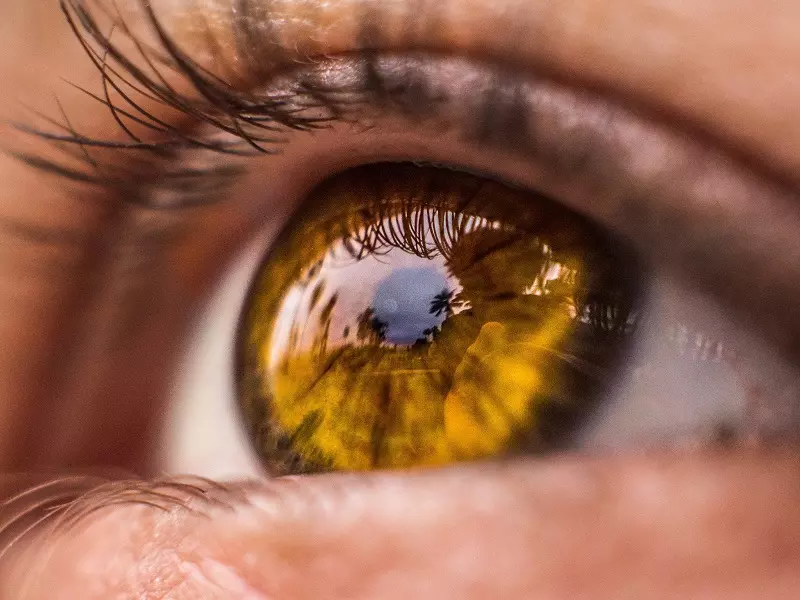
What Does Colored Eyes Mean?
Colored eyes refer to eye colors that differ from standard brown tones. These colors may include shades such as blue, green, hazel, and gray. The question “What does colored eyes mean?” is often rooted in genetic curiosity, as eye color is considered a striking feature of a person’s appearance. The amount and distribution of melanin play a key role in determining eye color.
Genetics has a major influence on the formation of colored eyes. Genes passed down through inheritance determine eye color and are transmitted from generation to generation. By looking at a family’s history, it is sometimes possible to estimate the likelihood of colored eyes. Colored eyes generally contain less melanin, which may make them more sensitive to light.
Blue and green eyes, in particular, attract attention because they are less common. In many societies, colored eyes are considered aesthetically appealing and provide a unique appearance. However, the genetic and biological factors behind these eye colors go far beyond mere physical appearance.
Characteristics of Colored Eyes
Colored eyes attract attention not only because of their appearance but also because of their distinct characteristics. These eye colors may appear in different shades due to the way they reflect various wavelengths of light. For example, blue eyes reflect more light because of lower melanin levels, which makes them appear brighter.
Another characteristic of colored eyes is their sensitivity to light. Since they contain less melanin, they may be more sensitive to sunlight. For this reason, individuals with colored eyes are advised to wear sunglasses on sunny days. This is an important consideration for maintaining eye health.
Additionally, colored eyes can evoke different emotional and psychological perceptions. Social beliefs and cultural values often attach specific meanings to certain eye colors. For instance, in some cultures blue eyes are associated with romance, while green eyes may symbolize mystery and attractiveness.
Prevalence of Colored Eyes
The prevalence of colored eyes varies depending on geographic regions and genetic backgrounds. Brown is the most common eye color worldwide, while blue and green are considered less common. Blue eyes are more frequently seen in Northern Europe, whereas brown eyes are dominant in Asia and Africa.
Genetic variations and mutations play a significant role in the development of colored eyes. Therefore, even within the same family, different eye colors may appear. The distribution of colored eyes can be better understood through the study of genetics and population migration patterns.
Research suggests that approximately 8–10% of the world’s population has colored eyes. This percentage may be higher in certain regions and lower in others. In large metropolitan areas such as Ankara, the presence of diverse cultural and genetic backgrounds may contribute to a greater variety of eye colors.
Psychological Effects of Colored Eyes
Colored eyes can create various psychological impressions on others. People often perceive eye color as a reflection of personality, which may influence social interactions. For example, blue eyes are frequently associated with calmness and serenity, while green eyes may symbolize curiosity and creativity.
Some studies suggest that individuals with colored eyes may attract more attention in social settings. This can increase self-confidence, although in some cases it may also create a sense of pressure. The psychological impact of eye color can vary depending on personal perception and environmental factors.
Overall, colored eyes can influence both individual self-perception and social dynamics. Their social and psychological significance makes eye color more than just a physical trait.
Contact Lens Options for Colored Eyes
Even if you do not naturally have colored eyes, various contact lens options are available to change your eye color. Contact lenses allow temporary color changes for aesthetic purposes and can be a great way to express yourself. Colored lenses are a popular choice for daily wear or special occasions.
There are multiple lens types available. Opaque lenses completely cover the natural eye color to create a new shade, while enhancement lenses intensify the existing color for a subtler effect. Some lenses are designed to make the eyes appear brighter or more defined.
Proper care and hygiene are essential when using contact lenses. Lenses should be cleaned regularly and used according to the manufacturer’s instructions to protect eye health. Consulting an eye specialist for professional advice is strongly recommended.
Where to Buy Colored Lenses in Ankara
Ankara offers a wide range of options for purchasing colored contact lenses. Many optical stores and healthcare providers in the city supply various brands and lens types. These stores make it easier to compare products and select the most suitable option.
Large shopping malls often include optical shops with extensive product selections and trained staff who can assist customers. Additionally, online catalogs from optical stores in Ankara allow users to explore and order lenses conveniently.
When buying colored lenses, quality and compatibility with your eye health are the most important factors. Consulting an eye doctor in Ankara for a professional evaluation can help you choose the most appropriate lens type and brand, ensuring both aesthetic satisfaction and eye safety.
Laser Eye Color Change Methods
In recent years, laser eye color change methods have gained attention. These procedures offer an option for individuals who wish to permanently change their eye color. Laser treatments typically aim to transform brown eyes into lighter shades such as blue or green.
The procedure is performed using specialized laser technology that targets melanin pigments in the eye to achieve a lighter color. However, this method is not yet widely accepted and carries potential risks. Laser eye color change should only be considered after careful evaluation by an experienced specialist.
Although chosen for aesthetic reasons, laser eye color change must be assessed carefully from a health perspective. As with any medical procedure, consulting an eye care professional beforehand is essential. A specialist can help determine whether the procedure is appropriate and explain potential risks.
Care and Protection of Colored Eyes
Individuals with colored eyes should take certain precautions to protect their eye health. Because colored eyes contain less melanin, they may be more sensitive to sunlight. Wearing UV-protective sunglasses on sunny days can help protect the eyes from harmful rays.
Keeping the eyes well-moisturized is also important. Dry eyes can cause discomfort and negatively affect eye health. Using lubricating eye drops or artificial tears can help maintain moisture, especially for those who spend long hours in front of screens or in air-conditioned environments.
Regular eye examinations should not be neglected. Routine check-ups allow potential issues to be identified early. Your eye specialist can provide personalized care recommendations to help maintain optimal eye health.
 Call
Call
 Whatsapp