
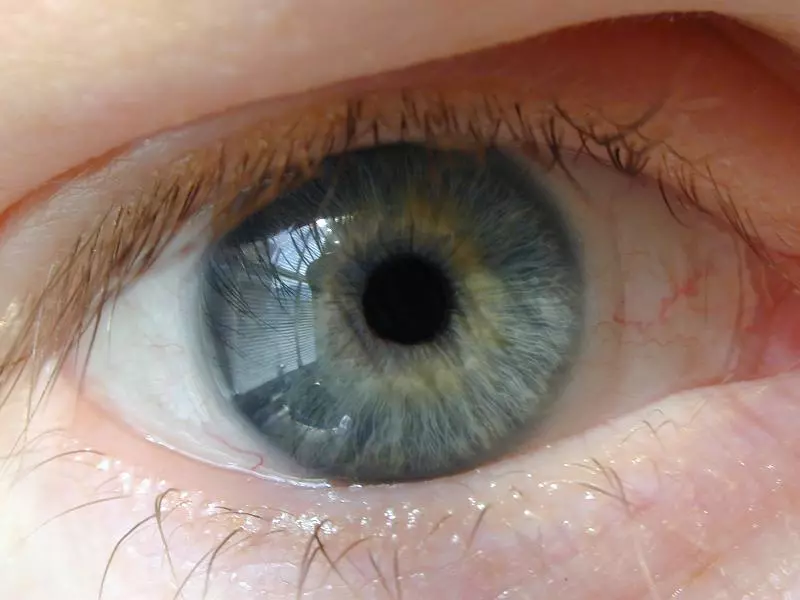
What Do Eye Colors Mean?
Eye color is often one of the most noticeable physical features of a person. The iris, the colored part of the eye, varies in shade depending on the amount of melanin pigment it contains. Eye colors are typically grouped into main categories such as brown, blue, green, and hazel. However, rarer shades like gray and amber also exist.
Genetic factors play the primary role in determining eye color. Genes inherited from parents influence a child’s eye color, though this process is not entirely straightforward. Environmental factors and genetic variations can also affect how eye color ultimately develops. For this reason, even members of the same family may have different eye colors.
Beyond aesthetics, eye color is often seen as a form of self-expression. Eyes can reflect emotional state, mood, and sometimes even health. As a result, eye colors are frequently viewed as a reflection of personality and emotional depth.
Psychological Meanings of Eye Colors
Eye color is also widely discussed in psychology. Certain eye colors are often associated with specific personality traits and psychological profiles. For example, individuals with blue eyes are commonly thought to be calm and peaceful. Blue eyes are frequently linked with composure and serenity.
People with green eyes are often described as creative and curious. Green eyes are associated with mystery and attractiveness, and their owners are sometimes believed to be imaginative and innovative. Due to the connection between green and nature, green-eyed individuals are also sometimes seen as environmentally conscious.
Brown eyes are commonly linked to warmth and reliability. Brown-eyed individuals are often described as sociable and outgoing. This color is also associated with loyalty and determination. Therefore, eye color is often perceived as offering insight into a person’s inner world.
Different Eye Colors and Personality Traits
Different eye colors are believed to provide clues about personality traits. For example, hazel-eyed individuals are often described as adaptable and flexible. Since hazel eyes contain transitional tones between brown and green, they are thought to reflect versatility.
Individuals with gray eyes are typically described as reserved yet deep thinkers. Gray eyes are rare and distinctive, and their owners are often perceived as analytical and detail-oriented. Gray eyes also symbolize balance and calmness, suggesting diplomacy and peacefulness.
Amber eyes are associated with energy and vitality. People with amber eyes are often described as adventurous and lively. Because this color resembles warm tones found in nature, amber-eyed individuals are sometimes perceived as cheerful and positive. While these associations are culturally shaped, they continue to influence how people interpret eye color.
The Genetic Foundations of Eye Colors
The genetics behind eye color is highly complex. Although early explanations relied on simple Mendelian inheritance involving two genes, modern research shows that the process is much more intricate. Scientists believe that up to 16 genes may contribute to eye color determination.
Melanin is the primary pigment responsible for iris color. Brown eyes contain high levels of melanin, blue eyes contain lower levels, and green eyes typically fall in between. Genes controlling melanin production also influence the intensity and lightness of eye color. These genetic factors allow for a wide spectrum of shades.
Genetic inheritance plays a crucial role, but variations and mutations can also lead to unexpected eye colors within the same family. Understanding the genetic basis of eye color helps deepen our knowledge of human diversity and biology.
Eye Colors and Emotional State
Eye color may influence or reflect emotional states. Some studies suggest that eye color could play a role in emotional responses. For example, individuals with blue eyes have been observed in certain studies to display lower emotional reactivity in stressful situations, reinforcing associations with calmness.
Brown-eyed individuals are often described as emotionally expressive and empathetic. They may be more attuned to others’ feelings and demonstrate strong interpersonal awareness. Brown eyes are frequently associated with warmth and sincerity.
Green-eyed individuals are sometimes described as passionate and emotionally intense. Due to their association with mystery and attractiveness, green-eyed individuals are believed to form strong emotional bonds. Eye color perceptions can therefore influence social interactions and relationships.
Interesting Facts About Eye Colors
There are many fascinating facts about eye colors:
-
The majority of the world’s population has brown eyes, making it the most common eye color.
-
Blue eyes are more prevalent in Scandinavian countries, while brown eyes dominate in Mediterranean and Middle Eastern regions.
-
Eye color can change over time. Babies are often born with blue eyes that darken as melanin production increases.
-
Heterochromia is a rare condition in which a person has two different eye colors, usually due to genetic factors or variations in melanin distribution.
Eye color carries genetic, emotional, and cultural significance. It is more than a physical trait—it reflects the complexity of human biology and social perception.
Do Eye Colors Change? (Age, Illness, etc.)
There are several situations in which eye color may change over time. Many babies are born with blue eyes that may darken as melanin production increases. This transition typically occurs between 6 and 36 months of age.
Aging may also lead to subtle changes in eye color. As iris pigmentation decreases, eyes may appear slightly lighter. However, these changes are usually mild.
Certain medical conditions can also cause changes in eye color. For example, conditions such as Horner syndrome or Fuchs’ heterochromic iridocyclitis may lead to noticeable shifts in iris color. Sudden changes in eye color can indicate underlying health issues and may require medical evaluation. Eye color changes should always be assessed in the context of age and overall health.
 Call
Call
 Whatsapp