
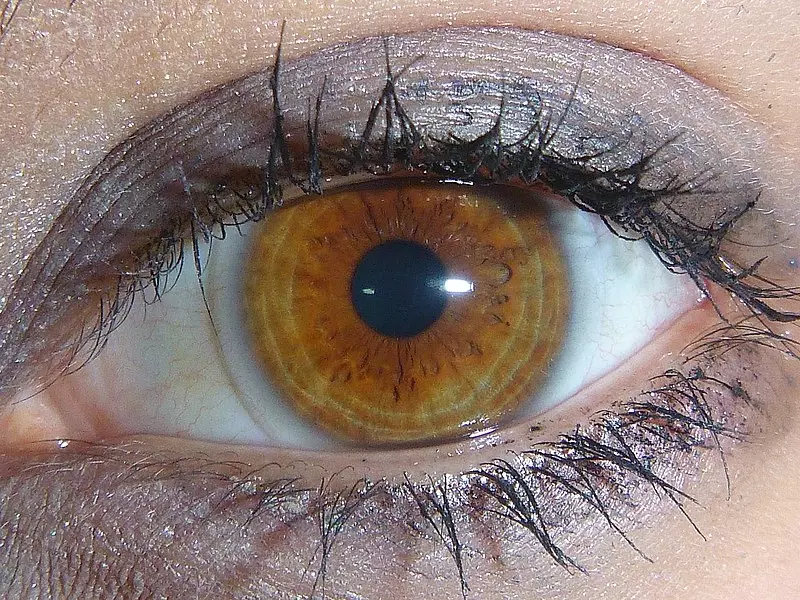
What Determines Eye Color?
Eye color is one of the key features that shape a person’s appearance. However, the question “what determines eye color?” is something many people are curious about. In this article, we will take a detailed look at how eye color is determined.
Genetic Foundations of Eye Color
The genetic basis of eye color is quite complex. Eye color is formed by the combination of genetic information inherited from parents. Based on Mendelian inheritance, two main pigments play a role: melanin and lipochrome. Melanin determines brown and black tones, while lipochrome contributes to lighter shades.
Two key genes are primarily responsible for eye color: OCA2 and HERC2. The OCA2 gene plays a crucial role in melanin production, while HERC2 regulates the activity of OCA2. Variations in these genes can result in eye colors such as blue or green.
Genetic inheritance is not the only factor. Mutations and chromosomal variations can also create differences in eye color. While genetics is fundamental, environmental factors may influence the final appearance.
Eye Color and Light
The appearance of eye color can change depending on how light interacts with the eye. The iris absorbs and reflects light, creating different color perceptions. The amount of melanin directly affects how the color is seen.
Light intensity and angle can influence how eye color appears. For example, blue eyes may look brighter in strong sunlight and darker in dim lighting. Similarly, green eyes can shift in tone depending on lighting conditions.
This effect is especially important in fields like photography and makeup. Proper lighting can enhance the natural beauty of eye color and create a more striking appearance.
Differences Between Eye Colors
Eye colors are generally categorized as brown, blue, green, and hazel. Each has unique characteristics and genetic foundations. Brown eyes are the most common due to high melanin levels and offer better protection against UV rays.
Blue eyes are less common and result from low melanin levels, causing light to scatter differently and create blue tones. Green eyes are more complex genetically and are often influenced by lipochrome pigment.
Hazel eyes are a mix of brown and green tones and can appear to change color depending on lighting. These variations highlight the role of genetic diversity and environmental influences.
Psychological Effects of Eye Color
Eye color not only affects physical appearance but may also carry psychological and social implications. People often associate certain eye colors with personality traits. For instance, blue eyes are linked to calmness, while brown eyes are associated with trust and stability.
Research suggests that darker eye colors may convey authority and reliability, whereas lighter colors may appear more approachable and friendly. These perceptions can influence social interactions and first impressions.
Eye color may also impact how individuals perceive themselves. Understanding these effects can contribute to personal development and self-awareness.
Can Eye Color Change?
Eye color is usually determined at birth and remains stable throughout life. However, some changes can occur. Babies are often born with lighter eye colors that darken over time as melanin production increases.
Aging may also cause subtle changes in eye color due to shifts in pigmentation. In rare cases, medical conditions or injuries can lead to noticeable changes. For example, conditions like Horner’s syndrome may affect eye color.
Although such changes are uncommon, any sudden difference in eye color should be evaluated by a medical professional to ensure eye health.
 Call
Call
 Whatsapp