
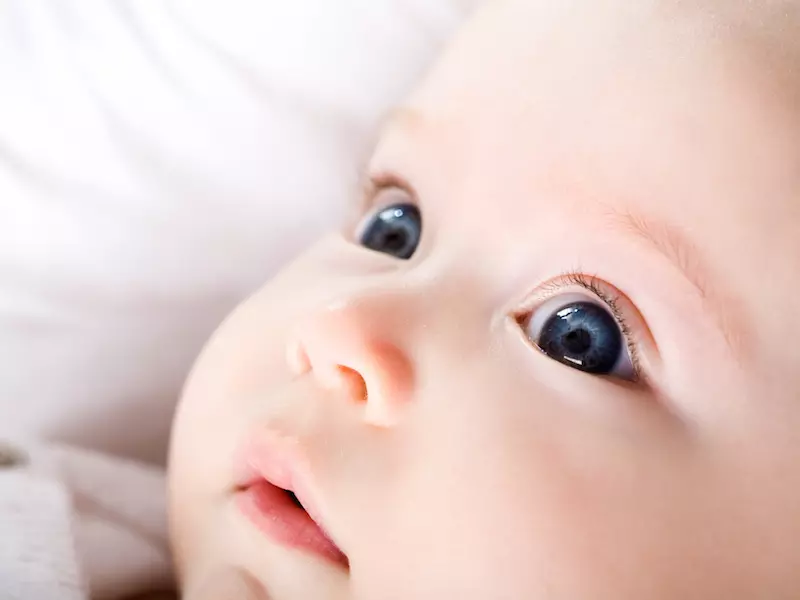
What Color Do Gray Eyes in Babies Turn Into?
A baby’s eye color is something that parents and family members closely observe from the moment of birth. The question “what color do gray eyes in babies turn into?” is a common curiosity among parents. A baby’s eye color usually begins to become more defined within the first few months after birth, and this process can vary depending on several factors.
Two main pigments determine eye color: melanin and lipochrome. Gray eyes are typically associated with a low level of melanin. Babies with gray eyes are often fair-skinned and light-haired. However, whether this color remains permanent depends on genetic and environmental factors.
How Do Eye Colors Form?
Eye color is determined by a complex combination of genetic information. The most important factor influencing eye color is melanin. As melanin levels increase, the eye color shifts toward darker tones. The melanin in the front layer of the iris affects how light is reflected and absorbed, which ultimately determines eye color.
Factors Affecting Eye Color
Genetics: Genes inherited from parents play the biggest role in determining a baby’s eye color. Each individual receives two copies of genes, and these combinations define the final color.
Melanin Levels: The amount of melanin directly affects eye color. Low melanin results in lighter colors (blue or gray), while high melanin leads to darker colors (brown).
Environmental Factors: Certain environmental influences can affect eye color changes. In particular, light exposure during infancy may stimulate melanin production.
Prevalence of Gray Eyes in Babies
Gray eyes are a rare eye color and are more commonly seen in individuals of Northern European descent. Most babies are born with blue or gray eyes. However, this is often temporary, and the eye color may change over time.
Genetic Structure of Gray Eyes
The genetic structure of gray eyes is based on a complex set of genetic interactions. If both parents have light-colored eyes, the likelihood of a baby having gray eyes increases. However, eye color genetics is highly complex, and many genes contribute to the final outcome.
The Role of Gray Eyes in Infancy
Babies with gray eyes typically experience this as a temporary stage. As melanin production increases, eye color may change and become more permanent. Gray eyes may gradually turn into shades such as blue or green during this process.
Eye Color Change Process in Babies
A baby’s eye color usually becomes more defined between 6 and 12 months. Babies born with gray eyes may experience changes over time. This transformation is influenced by melanin production and genetic factors.
Eye Color Stabilization Process
6 Months: Noticeable changes may occur as melanin production increases.
12 Months: In most babies, eye color approaches its permanent shade.
24 Months: Eye color typically becomes stable by this stage.
Genetic Factors in Eye Color Change
Genetic factors play a major role in the eye color change process. Parents’ eye colors and family genetic history influence how a baby’s eye color develops. For example, if one parent has dark eyes and the other has light eyes, the baby may have a higher potential for change.
Eye Color Genetics
Eye color genetics is a complex scientific field. Multiple genes control melanin production and distribution. Eye color cannot be explained by simple Mendelian inheritance, as many genetic factors are involved.
Genetic Diversity
Polygenic Effect: Eye color is determined by multiple genes, resulting in a wide range of variation.
Complex Genetic Structure: Eye color is not controlled by a single gene but by the combined effect of many genes.
Parental Genetic Background: The diversity of eye colors within a family plays a significant role in determining a child’s eye color.
Mendelian Inheritance and Eye Color
Mendelian inheritance explains how genetic traits are passed down through generations. However, eye color genetics goes beyond this simple model. For example, even if both parents have blue eyes, complex genetic combinations may result in a child having a different eye color.
Considerations for Babies with Gray Eyes
Babies with gray eyes do not require special care different from other babies. However, paying attention to certain factors is important for healthy eye development.
Tips for Eye Health
Sun Protection: Babies’ eyes are sensitive to sunlight. Especially for light-colored eyes, using hats or sunglasses is recommended.
Regular Eye Check-ups: Routine eye examinations help detect potential issues early.
Light Exposure: Babies’ eyes should be protected from very bright light to support healthy development.
Genetic Counseling
Parents can seek genetic counseling to learn more about their child’s eye color and genetic traits. This can be especially important if there is a history of genetic eye conditions in the family. Genetic counseling helps parents make more informed decisions about their child’s genetic makeup.
 Call
Call
 Whatsapp