


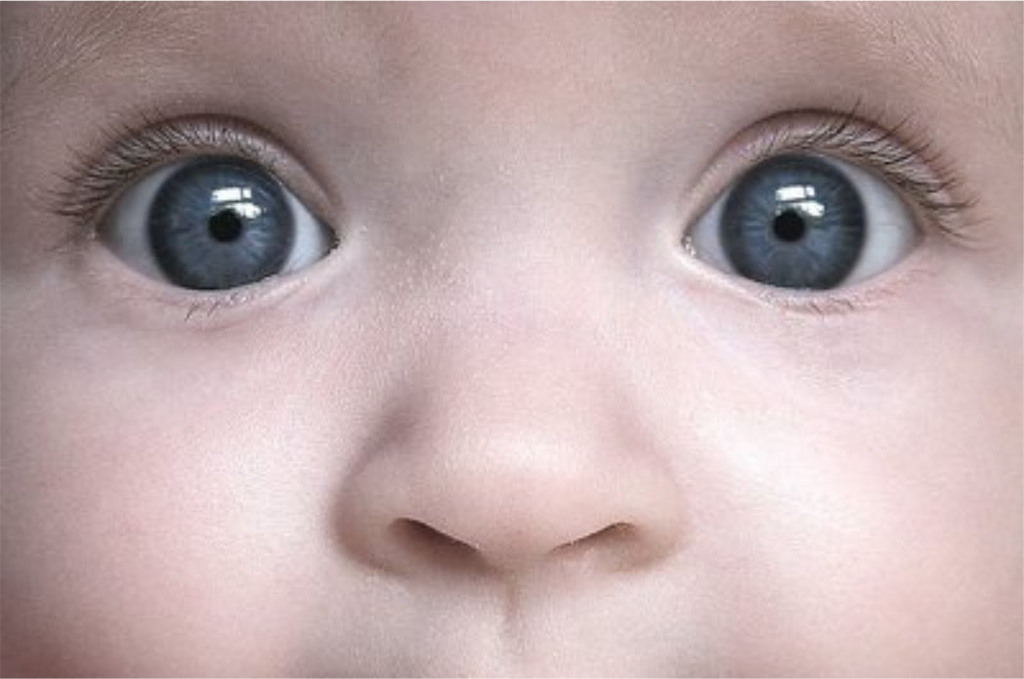
Eye color is one of the most curious topics for many parents. The question “what color do dark gray eyes in babies turn into?” is quite common. This process is generally related to genetic factors and pigmentation. A baby’s eye color can change during the first few months after birth. In this article, we will explore how dark gray eye color in babies may evolve over time.
What Is Dark Gray Eye Color in Babies?
The dark gray eye color seen in newborns is usually temporary. It represents a stage where melanin pigment has not yet fully developed. Melanin is the primary pigment responsible for eye color. At birth, melanin levels are low, but they increase over time, leading to changes in eye color.
Although dark gray eyes may appear as a mix with blue tones, they are actually caused by light scattering within the internal structure of the eye. Depending on genetics and environmental influences, a baby’s eye color can gradually shift into different shades.
For many parents, this color may seem mysterious. However, it is simply a transitional phase before the final eye color becomes established.
How Does Eye Color Change in Babies?
A baby’s eye color can change significantly during the first few months of life. The first six months are typically the most noticeable period of change. During this time, melanin begins to accumulate in the eyes, causing color shifts. Lower melanin results in lighter eyes, while higher melanin leads to darker shades.
This process varies depending on genetic background. Genes inherited from both parents play a major role. For example, if one parent has brown eyes, the likelihood of the baby’s eyes turning brown increases.
Lighting and environmental factors can also influence how eye color appears. Eyes may look different under natural daylight compared to artificial lighting. Therefore, observing eye color under various lighting conditions can provide a more accurate understanding.
Transition Stages of Dark Gray Eye Color
The transformation of dark gray eye color can vary, but it generally follows these stages:
Early Stage (0–6 Months):
Melanin production is still low, and eyes often appear gray or bluish.
Middle Stage (6–12 Months):
Melanin production increases, and eye color begins to shift toward brown, green, or blue.
Final Stage (12 Months and Beyond):
Eye color usually stabilizes. Genetic factors play the most important role in determining the final color.
Dark gray eyes often transition into lighter or more defined shades, but outcomes vary from one child to another.
Factors That Determine Eye Color in Babies
Several key factors influence a baby’s eye color:
Genetics:
The most important factor. Parents’ eye colors strongly influence the child’s final eye color.
Melanin Pigmentation:
The amount of melanin determines how light or dark the eyes will be.
Environmental Factors:
Lighting conditions can affect how eye color is perceived.
These factors together shape the development of eye color, although the final result can differ for each individual.
What Color Can Dark Gray Eyes Turn Into?
It is difficult to predict exactly what color dark gray eyes will become, but some common possibilities include:
Brown:
If melanin levels increase significantly, dark gray eyes often turn brown.
Green:
If melanin remains at a moderate level, eyes may develop green tones.
Blue:
If melanin production stays low, dark gray eyes may transition into blue.
These outcomes depend on genetic factors and melanin levels. In most cases, a baby’s eye color becomes more defined by the end of the first year.
Genetic Inheritance of Eye Color
Eye color has a complex genetic structure. Genes inherited from parents play a crucial role in determining it.
Dominant and Recessive Genes:
Darker colors like brown are typically dominant, while lighter colors such as blue are recessive.
Polygenic Inheritance:
Eye color is influenced by multiple genes, making it difficult to predict with certainty.
Genetic Diversity:
Variations inherited from both parents can result in unique eye colors, even among siblings.
Understanding genetic inheritance helps explain how eye color develops, although the process remains complex and not entirely predictable.