
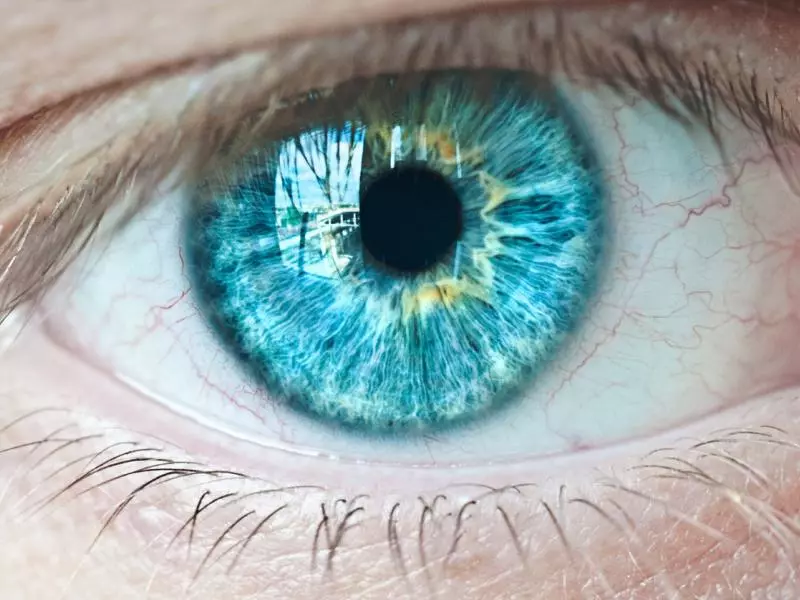
What Color Are My Eyes?
Eye color is a characteristic determined by the color of the iris and influenced by genetic factors. The iris is the colored part of the eye and contains various pigments. The primary pigment that determines eye color is melanin. Eyes with higher levels of melanin appear darker, while eyes with lower melanin levels appear lighter.
Eye color is often considered part of a person’s individual identity. With both personal and cultural meanings, eye color can also be viewed as an aesthetic feature for many people. Studies on the psychological effects of eye color suggest that this trait may influence how people perceive others and how emotions are interpreted.
Beyond being an aesthetic feature, eye color may also play a role in identifying certain medical conditions. For example, some eye colors may be associated with a higher susceptibility to specific diseases. For this reason, eye color can be considered important both aesthetically and medically.
The Importance of Eye Color
Eye color has become one of the ways individuals express themselves. A person’s eye color may influence their personal identity and aesthetic preferences. For many people, eye color plays a noticeable role in first impressions, which is why it is often considered in social interactions.
Eye color may also affect emotional and psychological perceptions. Various studies have shown that certain eye colors can create different impressions, which may influence personal interactions. For example, blue eyes are often associated with calmness and serenity, while brown eyes are believed to create a warmer and more friendly impression.
From a medical perspective, eye color may also indicate certain health conditions. Some research suggests that light-colored eyes may be more sensitive to UV rays, making them more vulnerable to certain eye conditions. Therefore, eye color can be an important factor to consider during health evaluations.
How Is Eye Color Determined?
Eye color is determined through a genetic process and is influenced by genes inherited from parents. The most important factor in determining eye color is the amount of melanin present in the iris. Melanin is the pigment that determines the color of the eyes, hair, and skin. As melanin levels increase, the eyes appear darker.
Several genetic factors contribute to determining eye color. Among them, the OCA2 and HERC2 genes are particularly significant. These genes influence melanin production and distribution, playing a critical role in the formation of eye color. Family history may provide clues about eye color, but genetic combinations can sometimes lead to unexpected results.
Eye color determination may also be influenced by environmental factors. For example, light exposure and aging may cause slight changes in eye color over time. Babies often experience changes in eye color during the first months after birth until the final color develops.
Genetic Factors of Eye Color
The genetic structure of eye color results from the complex interaction of multiple genes. At the center of this structure are genes such as OCA2 and HERC2, which regulate melanin production and distribution within the eye. Genetic inheritance is the most important factor in determining eye color, as the combination of genes from parents ultimately determines the child’s eye color.
Genetic factors influence not only eye color itself but also the intensity and tone of that color. In many cases, the interaction between dominant and recessive genes determines how eye color appears. For example, brown eye color is generally dominant, meaning individuals carrying brown-eye genes are more likely to have brown eyes.
However, it would be misleading to assume that eye color is controlled by only one or two genes. Research shows that multiple genes contribute to eye color determination, and their combinations influence how eye color develops. As a result, the genetics of eye color is complex and multifaceted.
The Most Common Eye Colors in the World
The most common eye color worldwide is brown. Brown eyes are especially common in Asia, Africa, and South America. The main reason for this is that the genes responsible for brown eye color are dominant. The high melanin content gives brown eyes their dark and rich appearance.
Blue eyes are more common in Europe. This eye color is characterized by lower melanin levels and is often associated with lighter skin and hair tones. The genetic origin of blue eyes is usually explained by recessive genes. As a result, blue eyes are less common and tend to appear more frequently in specific regions.
Green eyes are among the rarest eye colors in the world. They are most commonly found in Europe, particularly in regions such as Ireland and Scandinavian countries. Green eyes are thought to result from a combination of blue and brown genetic factors and contain a moderate amount of melanin. Because of their rarity, green eyes are often considered especially striking and unique.
 Call
Call
 Whatsapp