
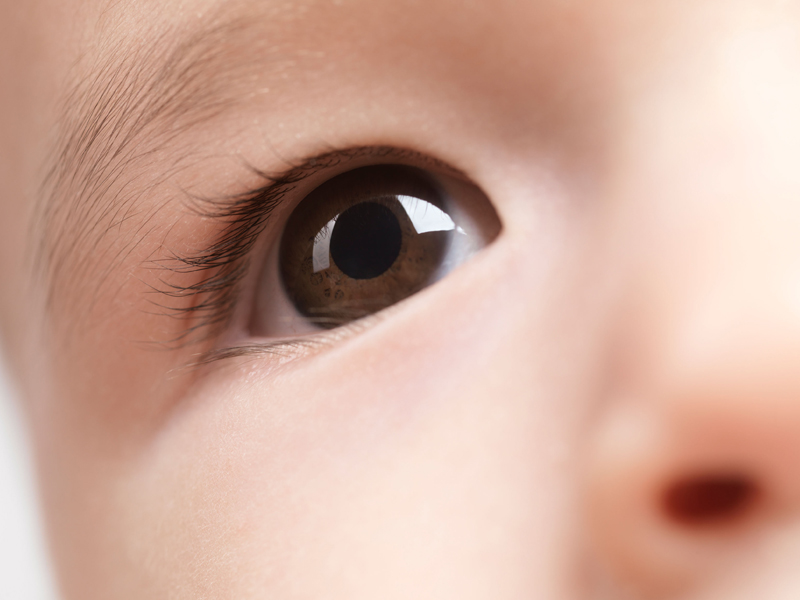
What Color Are Babies’ Eyes?
Baby eye color is always a subject of curiosity for parents. Right after birth, many babies have blue or gray eyes. However, this color is not permanent. As melanin production increases and pigmentation develops, babies’ eye color may change over time. During this process, it can be difficult to predict the final eye color.
The most noticeable changes in eye color usually occur during the first six months of life. During this period, pigmentation gradually increases, which may cause the eyes to shift to darker tones. As melanin levels rise, eye color can change into shades such as blue, green, hazel, or brown. Each baby’s eye color journey is unique and shaped by genetic factors.
Changes in Baby Eye Color
A baby’s eye color can undergo significant changes in the first months after birth. This process varies depending on several factors. Melanin plays a crucial role in determining eye color. As melanin levels increase, changes in eye color become more noticeable, often around the sixth month.
The first year of life is when eye color changes are most common. During this time, increased melanin may cause the eyes to become darker. For example, a baby born with blue eyes may later develop hazel or brown eyes. This transformation reflects the baby’s genetic makeup and can vary from one child to another.
For parents, observing these changes can be an exciting experience. However, predicting the exact outcome is difficult. Even with genetic clues, a baby’s eye color may not fully stabilize until around two years of age. Therefore, patience and allowing the natural process to unfold is important.
Factors Affecting Baby Eye Color
Several factors influence a baby’s eye color. The most important ones include genetic inheritance, melanin production, and environmental influences.
Melanin production is key in determining eye color. As melanin increases, the eyes tend to become darker. Therefore, both genetics and melanin levels play a decisive role in shaping the final eye color.
Environmental factors can also have a minor influence. For instance, lighting conditions may affect how eye color is perceived. However, these effects are limited compared to genetic and biological factors. Overall, a baby’s eye color is primarily determined by genetics and natural biological processes.
Genetic Structure of Eye Color
Eye color is the result of a complex genetic interaction. It is determined by the combination of genes inherited from both parents. According to Mendelian genetics, dominant and recessive genes influence eye color. Brown eye genes are generally dominant, while blue and green eye genes are often recessive.
Due to genetic combinations, even parents with the same eye color can have a child with a different eye color. For example, two brown-eyed parents may have a blue-eyed baby if recessive genes are involved.
Understanding genetics can provide insights into baby eye color, but it is not always predictive. In addition to genetics, biological processes like melanin production also play an important role.
Eye Color and Personality Traits
The relationship between eye color and personality has been studied for many years. Some research suggests possible connections between eye color and certain personality traits. For instance, some studies propose that individuals with blue eyes may be calmer and more introverted, while those with brown eyes may be more outgoing and social.
However, these associations are not definitive, and exceptions always exist. In many cultures, eye color is often linked to personality traits, but such generalizations should be approached with caution.
Eye color alone does not determine personality. While it may offer interesting perspectives, individual experiences and environmental factors play a much more significant role.
Frequently Asked Questions About Baby Eye Color
When does a baby’s eye color become permanent?
A baby’s eye color typically stabilizes by around two years of age. During this time, melanin production and pigmentation are completed.
How can eye color changes be noticed?
Eye color changes are usually observed when the eyes shift to darker or different tones. This becomes more noticeable as melanin production increases.
Is it possible for babies to have different eye colors genetically?
Yes, due to genetic diversity, babies can have eye colors different from their parents. This is often explained by the presence of recessive genes.
Learning more about baby eye color helps parents better understand this natural process. Being informed about genetic and biological factors can make this journey more meaningful and less uncertain.
 Call
Call
 Whatsapp