
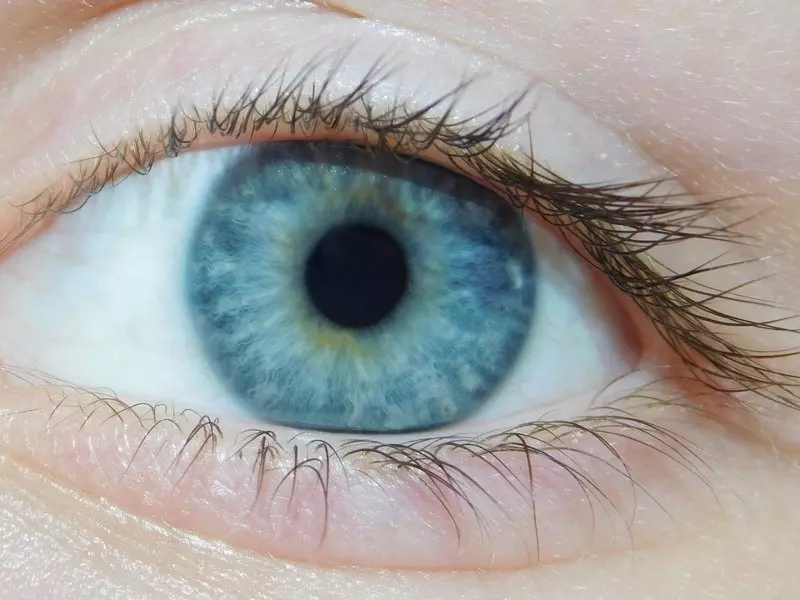
What Are Rare Eye Colors?
Eye colors are one of the most striking features of human appearance. With their various tones and variations, each eye color tells a different story and reflects personality. However, some eye colors are rarer than others, making them even more intriguing. In this article, we will explore what rare eye colors are and provide an in-depth look at their genetic origins, how common they are around the world, and their impact on society.
Formation of Eye Color and Genetic Factors
The determination of eye color is like pieces of a genetic puzzle. The amount and distribution of a pigment called melanin largely determine a person’s eye color. Brown eyes contain high levels of melanin, while blue eyes have very little. The genetic basis of eye color is mainly governed by two key genes: OCA2 and HERC2. These genes influence whether eye color appears blue, green, or brown.
Although genetic factors play a major role in eye color, environmental factors and genetic mutations can also contribute to rarity. For example, individuals with albinism may have light blue or reddish eyes due to a lack of melanin. Additionally, a rare genetic condition called heterochromia can result in a person having two different eye colors. These factors increase both the diversity and rarity of eye colors.
As a result, both genetic and environmental factors influence eye color formation. This highlights the uniqueness of each individual’s eye color. Every eye color represents a distinct genetic map and story.
The Rarest Eye Colors in the World
Although there are many eye colors worldwide, some are naturally rarer than others. Here are some of the rarest eye colors:
Green Eyes: Green eyes are found in only about 2% of the world’s population. This eye color is more common in Europe and Western Asia. Its rarity is due to low melanin levels combined with a specific genetic combination.
Amethyst Eyes: Extremely rare, amethyst or violet eyes are often associated with genetic conditions such as albinism. This color occurs due to pigment deficiency and the reflection of light from blood vessels inside the eye.
Heterochromia: This condition, where a person has two different eye colors, is usually congenital but can rarely be acquired. It may result from genetic mutations or trauma and often makes individuals appear especially distinctive.
Rare eye colors attract attention and make individuals unique. These colors reflect the diversity and beauty of nature while also representing genetic variation.
Effects of Rare Eye Colors
Rare eye colors are not only an aesthetic feature but can also have various effects on individuals’ lives. For example, some rare eye colors may make a person more sensitive to light. Individuals with lighter eye colors are often more sensitive to sunlight, which can lead to eye strain or discomfort.
From a psychological perspective, rare eye colors often draw attention, which can influence social interactions. People with rare eye colors may receive more curiosity and attention from others. This can either boost self-confidence or, conversely, cause discomfort due to being constantly in the spotlight.
Finally, rare eye colors can also influence cultural and social perceptions. In different cultures, certain eye colors may be considered a standard of beauty or associated with myths and legends. This can affect how individuals perceive themselves and how they are perceived in society.
Interesting Facts About Rare Eye Colors
There are many interesting facts about rare eye colors. Here are some notable details:
Color Change: Babies are often born with blue eyes. However, as melanin production increases, eye color may change over time. This change usually occurs during the transition from infancy to childhood.
Chimera Condition: A rare genetic condition called chimera can result in a person having two different sets of DNA. This may lead to different eye colors and is an extremely rare phenomenon.
Historical and Cultural Connections: Throughout history, certain eye colors have been associated with different meanings and symbolism. For example, in the Middle Ages, green eyes were often linked to witchcraft.
Eye colors are more than just a genetic trait—they carry rich cultural and historical meanings. Each rare eye color brings its own story and significance.
 Call
Call
 Whatsapp