
What Are Colored Eyes Called?
Eye color is an integral part of our identity and appearance. For most people, eye color is genetically determined and remains the same throughout life. However, colored eyes always attract attention and spark curiosity. In this article, we will explore the question “what are colored eyes called,” along with their genetic structure, types, social perception, and more.
Definition of Colored Eyes
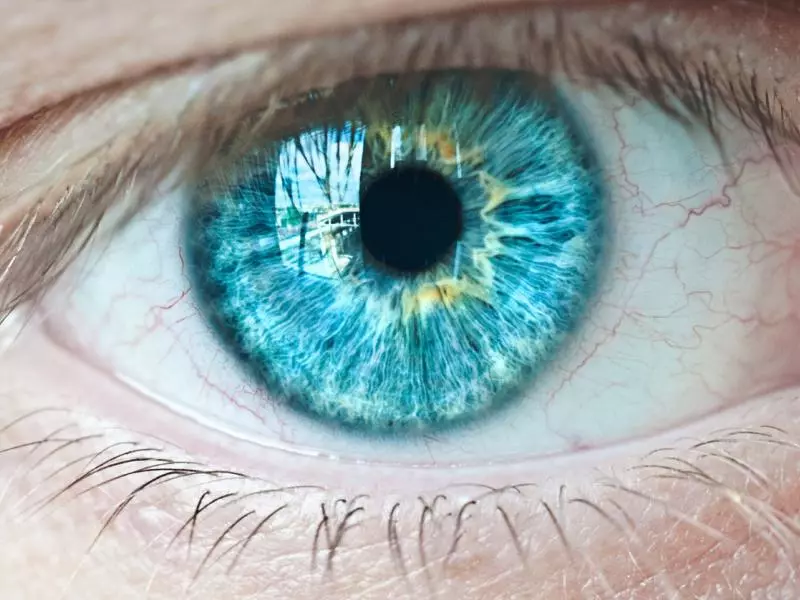
Colored eyes refer to eyes that have lighter, more distinct, and often more striking tones compared to common brown eyes. Shades such as blue, green, and hazel fall into this category. These eye colors usually result from genetic factors and differences in melanin levels.
Colored eyes are also influenced by how light interacts with the iris. The structure of the iris disperses light in different ways, which determines the perceived eye color.
Colored eyes are relatively rare worldwide, making individuals who have them stand out even more. Blue and green eyes, in particular, are found in a small percentage of the global population, increasing their appeal.
Types of Colored Eyes
Colored eyes can appear in many different shades. The most common types include blue, green, and hazel eyes. Each has its own unique charm and characteristics.
Blue Eyes: Commonly found in individuals of European descent, blue eyes contain low levels of melanin. They appear blue due to the way light is scattered in the iris.
Green Eyes: Slightly higher in melanin than blue eyes, green eyes can range from light green to olive tones. They are among the rarest eye colors, found in only about 2% of the population.
Hazel Eyes: A mixture of brown and green tones, hazel eyes can appear to change color depending on lighting conditions. They are known for their dynamic and unique appearance.
This diversity in colored eyes reflects genetic variation and melanin distribution, giving each individual a distinctive look.
What Are Colored Eyes Called?
So, what terms are used for people with these captivating eye colors? Most often, eye color is directly described, such as blue-eyed, green-eyed, or hazel-eyed. However, if we are looking for a general term, phrases like “light-colored eyes” or “rare eye colors” can also be used.
The question “what are colored eyes called” is also related to how they are perceived in society. People with colored eyes are often described as exotic or captivating. These descriptions reflect society’s admiration for such eye colors.
In some cases, colored eyes are considered a symbol of beauty. Especially in the fashion and film industries, they attract attention and carry strong aesthetic value. This highlights their cultural and social significance.
Genetic Structure of Colored Eyes
The genetic structure of colored eyes is determined by multiple factors. The primary factor is genetic inheritance. Genes control the production and distribution of melanin, which influences whether eyes appear light or dark.
Two main genes responsible for eye color are OCA2 and HERC2. These genes regulate the amount of melanin in the iris. Blue eyes result from a genetic combination that produces low melanin, while green eyes have a more complex genetic structure involving both blue and brown genetic influences.
In addition to genetics, environmental factors and aging may also affect eye color. For example, babies are often born with blue eyes, but their eye color may change over time due to increasing melanin levels.
Psychological Effects of Colored Eyes
The psychological effects of colored eyes are noticeable on both individual and social levels. People with colored eyes are often perceived differently by others, which can influence their self-esteem. Many individuals report feeling more confident due to their eye color.
Some studies suggest that eye color may be associated with certain personality traits. For example, blue-eyed individuals are often described as creative and emotional, while green-eyed individuals may be seen as mysterious and independent. These interpretations reflect societal perceptions rather than scientific facts.
Social perception also influences how individuals see themselves. People with colored eyes often feel unique and distinctive, which can play a role in social relationships and personal development.
Social Perception of Colored Eyes
Colored eyes have always attracted attention in society. Throughout history, they have been associated with various myths and legends in different cultures. They are often linked with beauty, strength, or wisdom.
In the fashion and media industries, colored eyes are frequently highlighted. They are used as a striking element in advertising campaigns and films, enhancing their aesthetic value and shaping public perception.
However, having colored eyes is not always perceived positively in every culture. In some cases, differences may lead to discrimination. Despite this, colored eyes are generally viewed with admiration and fascination.
Care for Colored Eyes
Having colored eyes may require certain care considerations. They can be more sensitive to sunlight, so using sunglasses with UV protection is important. This helps protect the eyes from harmful rays and maintain their health.
Regular eye examinations are also essential for maintaining eye health. Eye specialists are the best resource for monitoring eye condition and detecting potential problems early.
Finally, using eye care products specifically formulated for sensitive eyes can be beneficial. These products help keep the eyes hydrated and protected from environmental factors. Following these care tips can help preserve both the health and beauty of your eyes in the long term.
 Call
Call
 Whatsapp