
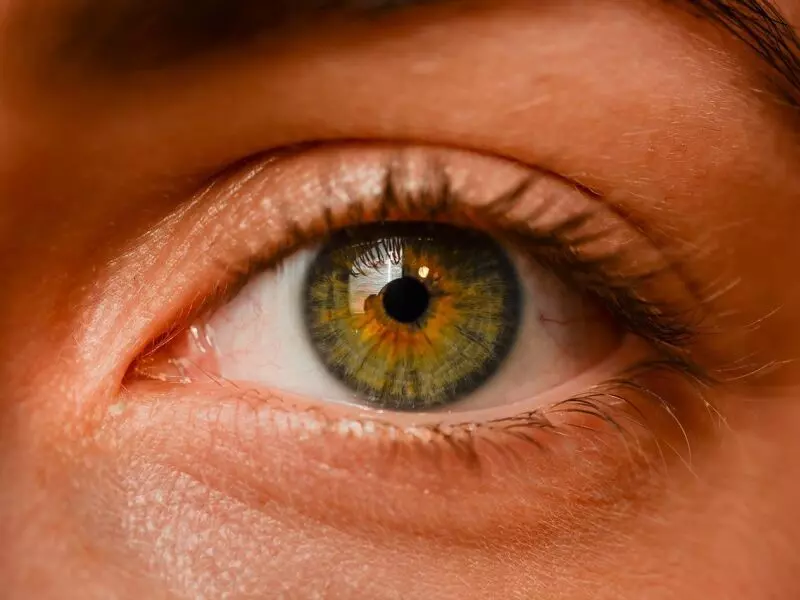
What Are All Eye Colors?
Eye colors are among our innate characteristics and are considered the windows of our eyes. To answer the question of what all eye colors are, we need to understand how eye color forms and which colors it can appear in. Eyes can be in different colors as part of our genetic heritage.
Eye color varies depending on the concentration and distribution of the melanin pigment. Common eye colors include brown, blue, green, and hazel. However, rarer colors such as gray and amber also exist. Genetic factors play an important role in determining eye color, and we inherit it from our parents’ genes.
The Genetic Structure of Eye Color
Genetics is the most fundamental factor in determining eye color. There are two main genes that determine our eye color: OCA2 and HERC2. These genes control melanin production in the eye. As the amount of melanin increases, eye color becomes darker; as melanin decreases, it shifts toward lighter colors.
Genetic combinations provide the diversity of eye colors. For example, if both parents have blue eyes, the likelihood of their child also having blue eyes is high. However, genetic surprises are always possible. The complexity of genetic combinations can lead to different eye colors among family members.
Surprisingly, our eye color can change throughout life. Babies are usually born with blue eyes, and over time, as melanin production increases, eye color may change. This change is generally completed during childhood.
Eye Color Change in Ankara
For those who wish to change their eye color, various methods are available in Ankara. Eye color change may be requested for visual aesthetic concerns or personal preferences. There are many specialists and clinics in Ankara providing services in this field.
In these clinics, eye color change procedures are generally performed using safe and effective methods. Methods used to change eye color include colored contact lenses, iris implants, and certain surgical procedures. However, it is important to have detailed knowledge about the risks and complications of such procedures.
Before undergoing an eye color change in Ankara, it is important to consult a specialist ophthalmologist and obtain detailed information about the procedure. This will help you make the right decision and avoid unwanted outcomes.
Laser Eye Color Change Methods
In recent years, laser eye color change methods have gained popularity. This method offers an option for those who want to permanently change their eye color. Laser procedures target the melanin pigment in the eye to lighten the color.
Laser eye color change is usually performed in several sessions. Each session eliminates part of the melanin pigment, gradually causing the eye color to become lighter. This method is particularly suitable for those who wish to transform darker eye colors into lighter shades.
However, laser eye color change procedures carry certain risks. Complications that may affect eye health include infection, inflammation, and vision problems. Therefore, before undergoing such a procedure, a detailed risk assessment should be conducted and an experienced specialist should be consulted.
The Psychological Effects of Eye Color
Eye color is not only a physical characteristic but also brings psychological effects. Our eye color may influence how we express ourselves and how we are perceived. The psychological impact of eye color may vary from society to society and from culture to culture.
Brown eyes are generally associated with warmth and reliability, while blue eyes may create a cooler and more distant impression. Green eyes may be perceived as mysterious and attractive. These perceptions may influence a person’s self-confidence and social interactions.
The effects of eye color on personality often occur at a subconscious level. However, people usually see their own eye color as a source of pride, which may create a positive psychological effect. This psychological dimension that eye color adds to us plays an important role in our social relationships and personal development.
Different Eye Colors and Personality Analysis
Eye colors can be an interesting factor to consider in personality analysis. Each eye color may be associated with certain personality traits. Here are some common eye colors and the personality traits associated with them:
Brown Eyes: Generally seen as reliable, sincere, and loyal. People with brown eyes are also known for their leadership abilities.
Blue Eyes: Perceived as calm, composed, and intelligent. Individuals with blue eyes often have creative and analytical thinking abilities.
Green Eyes: Stand out with mysterious, passionate, and attractive personality traits. People with green eyes are often known for their determination and self-confidence.
Hazel Eyes: Considered adventurous, energetic, and adaptable. Individuals with hazel eyes are generally flexible and have strong adaptation skills.
Although such personality analyses are not based on scientific evidence, they allow people to make assumptions about personality traits based on eye color. The relationship between eye color and personality can be an entertaining topic in social interactions and personal evaluations.
The Relationship Between Eye Health and Eye Color
Although eye color does not directly affect eye health, it may be indirectly related to certain health conditions. For example, lighter-colored eyes may be more sensitive to sunlight, and such individuals may be more affected by UV rays.
It is also suggested that eye color may influence susceptibility to certain eye diseases. For instance, it is proposed that individuals with lighter eye colors may be more sensitive to certain conditions such as age-related macular degeneration. However, further research is needed to confirm the certainty of these relationships.
To protect eye health, it is important to have regular eye examinations and protect your eyes from harmful sunlight. Regardless of your eye color, adopting a healthy lifestyle and paying attention to your eye health should always be your priority.
 Call
Call
 Whatsapp