
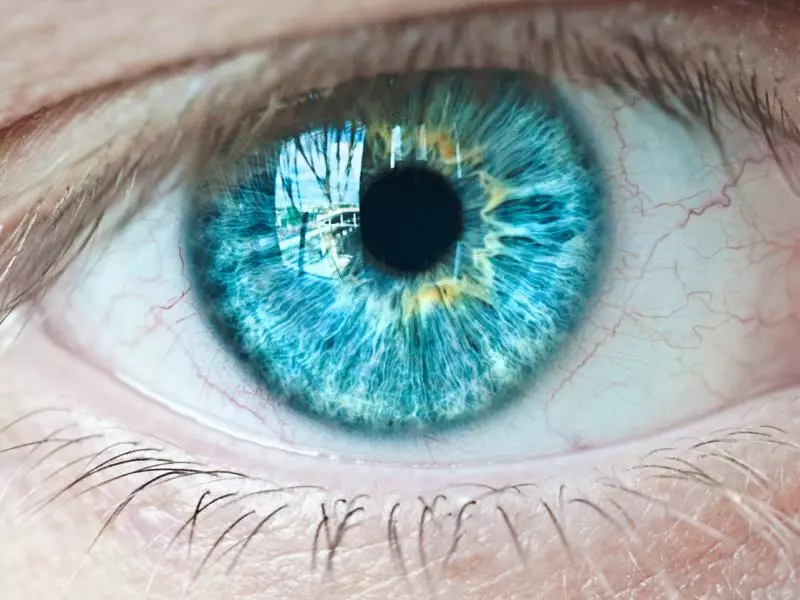
Very Rare Eye Colors
Eyes are vital both functionally and aesthetically. While most people have brown, blue, or green eyes, some stand out with very rare eye colors. In this article, we will explore some of the rarest eye colors and the scientific and genetic factors behind them. We will also examine how these unique eye colors may relate to personality traits and health.
What Are Very Rare Eye Colors?
Very rare eye colors are those that occur in only a small percentage of the global population and usually result from specific genetic combinations. These may include albino eyes, gray, amber, or reddish tones. Each rare eye color presents its own distinctive characteristics.
The development of these uncommon colors is linked to genetic variations and the distribution of melanin pigment within the eye. The structure of the iris and the way light reflects from it also play a role in determining eye color. In many cases, rare eye colors are associated with family history and inherited traits.
Individuals with rare eye colors often attract attention, and this uniqueness can shape their personal experiences. These distinctive shades are not only physiological traits but may also influence how individuals express themselves.
Eye Color Formation and Genetic Factors
Three primary pigments contribute to eye color formation: melanin, lipochrome, and hemoglobin. Melanin is responsible for darker shades, while lipochrome contributes to lighter and yellowish tones. Hemoglobin may create a reddish appearance due to the visibility of blood vessels.
Genetics plays a crucial role in determining eye color. Approximately 16 different genes in the human genome influence eye color development. Among the most well-known are the OCA2 and HERC2 genes, which regulate melanin production and distribution.
Although eye color inheritance follows Mendelian principles to some extent, it actually has a more complex polygenic structure. This means that multiple genetic factors inherited from both parents determine an individual’s eye color.
The Rarest Eye Colors in the World
Among the rarest eye colors worldwide are red, violet, amber, and gray tones. Each has unique and uncommon characteristics.
Red eyes are typically associated with albinism and are extremely rare. Violet eye color is often considered one of the rarest and may appear more noticeable in bright environments. While it may seem like a mix of blue and red, it is actually the result of how light scatters within the eye.
Amber eyes are characterized by a golden, copper-like glow and are usually linked to higher levels of lipochrome pigment. Gray eyes, on the other hand, result from low melanin levels combined with higher collagen concentration in the iris and are found in only a small portion of the population.
Characteristics of Very Rare Eye Colors
Very rare eye colors offer not only physical uniqueness but also psychological and social dimensions. These shades often add a sense of mystery and distinctiveness to an individual’s appearance.
They may also shift in tone under different lighting conditions. For example, gray eyes may appear bluish on a cloudy day and lighter or brighter in sunlight.
People with rare eye colors may receive more attention in social settings, which can influence their interactions. This uniqueness may enhance their sense of individuality and self-esteem.
The Relationship Between Rare Eye Colors and Health
Certain rare eye colors may be associated with specific health considerations. For example, red eyes seen in individuals with albinism are often linked to extreme light sensitivity and vision challenges. Sunglasses are commonly recommended for protection.
Other rare eye colors may also be associated with increased sensitivity to light or eye fatigue. Eye color can influence sensitivity to UV rays, meaning some individuals may require additional protection.
However, rare eye colors do not typically pose serious health risks. Still, underlying genetic variations may sometimes indicate particular conditions. For this reason, regular eye examinations are recommended for individuals with rare eye colors.
Eye Colors and Personality Traits
Throughout history, eye color has often been associated with personality traits. Rare eye colors are frequently linked to mysterious or captivating personality profiles.
For example, individuals with amber eyes are sometimes described as creative and imaginative, while gray eyes are often associated with calm and logical personalities. Those with gray eyes may be perceived as emotionally balanced and decisive.
Although the connection between eye color and personality is not scientifically proven, these associations remain culturally widespread. Individuals with rare eye colors may feel more unique and distinctive because of their appearance.
Myths and Facts About Rare Eye Colors
There are many myths surrounding rare eye colors. Most of these stem from historical or cultural beliefs and lack scientific evidence. For example, the idea that violet eyes possess supernatural powers is a popular myth.
In reality, rare eye colors result from genetic variation and melanin levels, without any mystical attributes.
However, there are factual aspects as well. Red eyes associated with albinism, for instance, are scientifically linked to light sensitivity. This demonstrates that rare eye colors are not only aesthetic features but may also have medical relevance.
Advantages and Disadvantages of Having Rare Eye Colors
Having a rare eye color comes with both advantages and disadvantages. On the positive side, it offers unique aesthetic appeal and a strong sense of individuality. Rare eye colors can be a powerful form of personal expression.
On the other hand, they may bring challenges such as increased light sensitivity. Additionally, standing out visually in certain cultural or social contexts may influence social experiences.
Ultimately, rare eye colors have both positive and negative aspects. They play an important role in highlighting individuality and uniqueness. If you have a rare eye color, embrace this distinctive feature and remember to prioritize regular eye care to maintain your eye health.
 Call
Call
 Whatsapp