
Until When Do Babies’ Eye Colors Change?
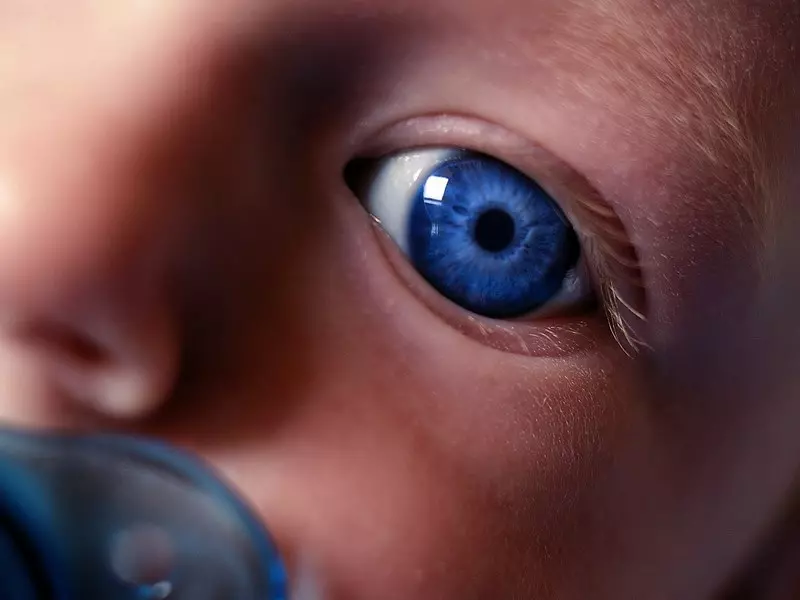
Babies’ eye color is usually light blue or gray at birth. This color can change during the first months after birth. As the pigment melanin gradually increases, noticeable changes in eye color may occur. These changes become more apparent as the baby grows, and the permanent eye color usually settles within a few years.
A baby’s eye color is determined by genetic factors and environmental influences. Genetic factors are directly related to the eye colors of the parents. For example, two brown-eyed parents are more likely to have a brown-eyed child. However, due to genetic variation, different eye colors may also appear.
After birth, a baby’s eye color may visibly change. This process usually lasts from six months to one year, although in some cases it may take several years. During this time, parents may be curious about their baby’s eye color and wonder when the changes will stop.
How Long Do Babies’ Eye Colors Continue to Change?
A baby’s eye color can show significant changes during the first six months after birth. Melanin production affects the pigmentation of the eyes. In the first few months, babies’ eyes usually appear lighter in color and may gradually darken over time. This process varies depending on the baby’s genetic structure and environmental influences.
In most babies, eye color changes are completed by the time they reach one year of age. However, in some cases this process may continue until two years old. Changes in eye color are directly related to the production and distribution of melanin. Parents often need to wait until around the second year to see their baby’s final eye color.
Genetic factors play a major role in determining a baby’s eye color. The eye colors of the parents may influence the baby’s eye color, but they are not always a definitive indicator. Genetic mixing and allele combinations can produce different eye colors. For this reason, eye color development is a unique process for every baby.
How Does Eye Color Change Occur?
Eye color changes are directly related to the distribution of a pigment called melanin inside the eye. At birth, babies typically have very little melanin in their eyes. Over time, melanin production increases, which can cause the eye color to darken.
As melanin levels increase, eye color may shift from blue or gray tones to darker colors such as green, brown, or hazel. In many babies, eye color changes become noticeable by the end of the first year. However, for some babies this process may continue until the age of two.
Although environmental factors such as light exposure can influence melanin production, the primary determining factor is genetics. Genetic factors largely determine when and how the eye color will change.
The Role of Genetic Factors
Genetic factors play a fundamental role in determining a baby’s eye color. The genetic structure inherited from the parents is one of the most important elements influencing eye color. Each person carries traits formed by the combination of genes inherited from both parents.
Genetic variations known as alleles help determine eye color. The allele responsible for brown eyes is generally dominant, which is why brown eyes are the most common worldwide. However, colors such as blue, green, and hazel can appear when recessive alleles are present.
These genetic combinations explain why babies’ eye colors can differ from those of their parents. Genes inherited from each parent may combine in different ways. As a result, a baby’s eye color does not necessarily have to match the eye color of the parents, reflecting the natural diversity of genetics.
Expected Timeline of Eye Color Changes in Babies
Eye color changes in babies usually become noticeable during the first six months. During this period, the amount of melanin in the eyes increases, which may gradually darken the eye color. The first six months are often the period when these changes occur most rapidly.
By the time a baby reaches one year old, the eye color usually becomes more defined, although it may not yet be completely stable. Small changes may continue until the end of the second year, at which point the eye color generally becomes permanent.
During this time, parents should remain patient, as this is a natural developmental process that may vary from one baby to another. Parents should also pay attention to their baby’s eye health and consult a pediatric specialist if necessary. Proper nutrition and suitable environmental conditions may also help support healthy eye development.
Important Tips for Eye Development in Babies
A baby’s eye health is extremely important for overall development. Some basic precautions can help support healthy eye development.
First, babies’ eyes should be protected from direct sunlight. Excessive exposure to sunlight may harm the eyes, so appropriate sunglasses or protective measures can be helpful when necessary.
Nutrition is another important factor that supports eye health. Nutrients such as omega-3 fatty acids, vitamin A, and beta-carotene help maintain healthy vision. Breast milk contains many essential nutrients that support a baby’s development, including eye health.
Regular medical check-ups are also important for monitoring eye development. During the first few years, observing eye health helps detect potential problems early. Parents should consult a specialist if they notice any concerns. Choosing appropriate toys and providing visual stimulation can also support healthy eye development.
 Call
Call
 Whatsapp