
Unknown Facts About Hazel Eyes
Hazel eyes are a rare eye color that captivates many people with their mesmerizing appearance. In this article, we will explore lesser-known facts about hazel eyes and step into the unique world of this fascinating eye color.
What Are Hazel Eyes?
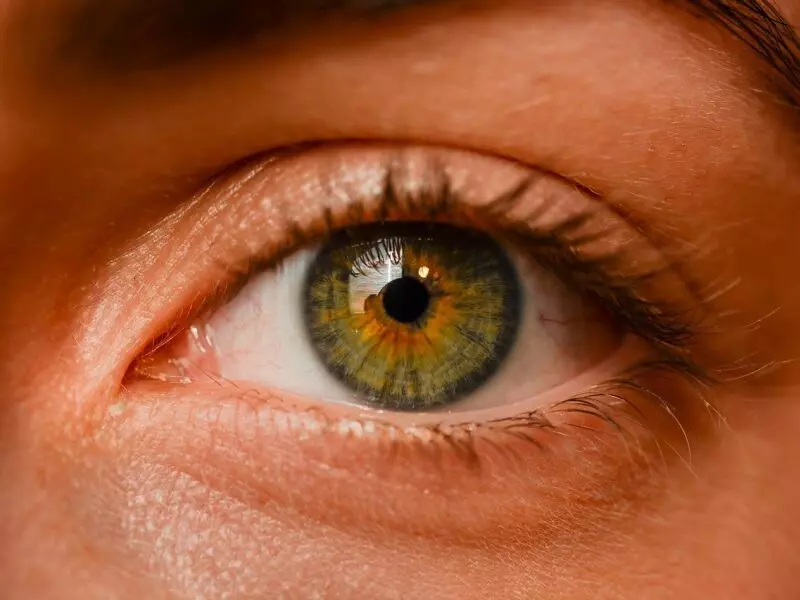
Hazel eyes are known for their variety and variability in color. They are typically described as a blend of green, brown, and golden tones. This eye color can appear different depending on how light hits the eyes, making them especially eye-catching. Environmental factors can also influence how hazel eyes appear, giving them a distinctive and dynamic quality.
Scientifically defining hazel eyes can be complex because this eye color results from variations in melanin density. Melanin is the natural pigment that determines eye color, and in hazel eyes, its distribution is uneven. This irregular distribution causes hazel eyes to display multiple tones.
The rarity of hazel eyes is often seen as one of nature’s wonders. Because they are found in only a small portion of the world’s population, individuals with hazel eyes are often considered unique and memorable.
Characteristics of Hazel Eyes
One of the most distinctive features of hazel eyes is their sensitivity to light changes. Under different lighting conditions, the eyes may appear to shift in color, giving them a dynamic look. For example, in bright sunlight, hazel eyes may appear lighter and more golden, while in dim lighting, they may look deeper and more brown or green.
Another characteristic of hazel eyes is their versatility. Since they contain shades of green, brown, and sometimes even blue, they tend to complement a wide range of clothing colors and makeup styles. This provides individuals with hazel eyes greater flexibility in personal style.
Hazel eyes are often associated with emotional depth and empathy. Their rarity and aesthetic appeal can make individuals stand out socially, sometimes drawing more attention in personal and professional settings.
Shades of Hazel Eyes
Hazel eyes can appear in a variety of shades, which may vary significantly from person to person. Common tones include green, gold, brown, and occasionally hints of blue. These shades may radiate outward from the center of the iris in varying intensities, contributing to their captivating look.
The reason hazel eyes can display so many tones lies in the amount and distribution of melanin within the iris. Melanin absorbs light and determines eye color. In hazel eyes, its uneven distribution leads to subtle shifts in color under different conditions.
Both genetic and environmental factors can influence these shades. For instance, prolonged sun exposure may make hazel eyes appear slightly lighter or darker. Additionally, subtle changes in tone may occur with age. This dynamic quality is one of the key features that sets hazel eyes apart from other eye colors.
The Genetic Structure of Hazel Eyes
Hazel eyes are considered rare and genetically complex. The genes responsible for eye color influence both the amount and distribution of melanin in the iris. Hazel eyes typically result from the interaction of multiple genes, which contributes to their rarity.
Two primary genes involved in eye color determination are OCA2 and HERC2. These genes regulate melanin production and play a crucial role in defining eye color. Variations and interactions between these genes can affect melanin distribution, resulting in the unique tones seen in hazel eyes.
Eye color genetics can also vary within families. Even if most family members have brown eyes, a hazel-eyed individual may appear in later generations due to genetic combinations. For this reason, hazel eyes are sometimes considered a genetic surprise.
Character Traits Associated with Hazel Eyes
Hazel-eyed individuals are often described as emotionally rich and empathetic. The rarity and aesthetic appeal of this eye color can give them a distinctive presence. This uniqueness may positively influence their confidence and social interactions.
Many people perceive hazel-eyed individuals as charismatic and attractive. Because hazel eyes are less common, they often draw attention, which may enhance social visibility and self-assurance.
Some also associate hazel eyes with creativity and artistic tendencies. The richness and variety of tones may symbolically reflect an aesthetic sensitivity, potentially contributing to success in artistic or creative fields.
The Importance of Caring for Hazel Eyes
Hazel eyes, like all eye colors, require proper care to maintain eye health. Protecting eye health is essential for preserving clarity and comfort.
Limiting excessive exposure to sunlight is important. Ultraviolet (UV) rays can cause eye damage, and wearing sunglasses that provide UV protection can help reduce this risk.
A balanced diet also supports eye health. Nutrients such as vitamin A, vitamin C, vitamin E, and omega-3 fatty acids contribute to maintaining healthy vision and eye brightness. Proper hydration and regular eye check-ups further support long-term eye health.
Celebrities with Hazel Eyes
The captivating appearance of hazel eyes has drawn attention in the entertainment and fashion industries. Several well-known figures are recognized for their hazel eyes:
David Beckham – The legendary footballer is known for both his athletic success and his striking hazel eyes.
Jessica Alba – The Hollywood actress is admired not only for her performances but also for her beautiful hazel eyes.
Tyra Banks – The model and television personality is also known for her distinctive hazel eye color.
The presence of hazel-eyed celebrities highlights the aesthetic appeal and influence of this rare eye color.
Hazel Eye Color Changes: Causes and Process
Changes in hazel eye color can be a subject of curiosity. These variations are generally influenced by genetic and environmental factors. Fluctuations in melanin levels may cause subtle changes in tone.
Aging is one factor that can influence eye color appearance. Over time, melanin production and distribution may shift slightly, potentially deepening or softening hazel tones. For example, hazel eyes that appear lighter in childhood may become richer in adulthood.
Environmental factors also affect appearance. Lighting conditions significantly influence how hazel eyes look. Outdoor sunlight may enhance golden or green tones, while indoor lighting may make them appear darker. These natural variations contribute to the uniquely dynamic nature of hazel eyes.
 Call
Call
 Whatsapp