
Types of Eyes
Eyes play a vital role in how we perceive and understand the world. Various eye structures and types may be associated with different visual abilities and health conditions. In this article, we aim to provide comprehensive information about types of eyes.
What Are Types of Eyes?
Types of eyes refer to different eye structures and functions observed among various human groups or animal species. Eye types vary due to the influence of genetic and environmental factors. This diversity covers a wide range, from eye color to eye shape and even visual capacity.
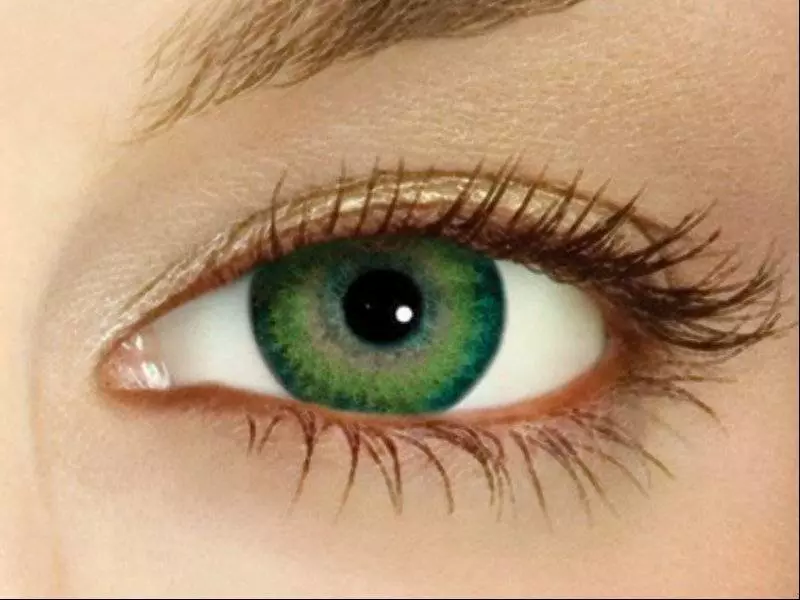
In humans, eye color diversity is particularly striking. Colors such as brown, blue, and green are among the most common. Each color emerges from different concentrations of the pigment melanin. As the amount of melanin increases, eye color becomes darker.
In the animal world, eye diversity is even more pronounced. For example, animals that hunt at night have evolved eyes that provide better night vision. The eye structures of cats and owls allow them to see clearly even in low-light conditions.
Importance of Eye Types
Eye diversity is an important factor that increases survival chances in the evolutionary process. Different eye types offer advantages in adapting to the environment and achieving optimal vision under various lighting conditions. Each eye structure is specialized to suit a particular lifestyle or environmental condition.
Among humans, eye color diversity is also a focus of genetic research. Beyond being an aesthetic feature, it may provide insight into susceptibility to certain diseases. For example, individuals with lighter-colored eyes may be more sensitive to certain eye conditions.
From an animal perspective, eye diversity plays a critical role in hunting, avoiding predators, and social interactions. For instance, birds of prey have eyes that are adapted to detect their targets even from high altitudes.
Different Eye Types and Their Characteristics
Different eye types and their characteristics involve various adaptations and functionalities. In general, human eyes vary based on the following features:
Eye Colors: Basic colors include brown, blue, green, and hazel. Each reflects a part of our genetic inheritance.
Eye Shapes: Almond-shaped, round, or slanted eyes may vary depending on ethnic background. These shapes are also related to the structure of the eyelids.
Eye Health: Vision problems such as myopia, hyperopia, and astigmatism may result from differences in eye structure.
In the animal world, eye diversity is even broader. For example, fish have specialized eye structures optimized for underwater vision. Chameleons can move their eyes independently, giving them a wide field of vision.
Effects of Eye Types on Health
Eye types can directly affect our health. Different eye colors and shapes may predispose individuals to certain conditions. For example, lighter-colored eyes are more sensitive to ultraviolet rays, which may increase the risk of cataracts.
Eye structure is also related to vision disorders. Conditions such as myopia or hyperopia may be linked to the shape and length of the eye. These disorders can affect quality of life and may require corrective lenses or surgical interventions.
Regular eye examinations are important for maintaining eye health. Early diagnosis allows many eye conditions to be treated successfully. Additionally, simple measures such as wearing sunglasses and maintaining a healthy diet can help protect the eyes.
Development of Eye Types
The development of eye types is the result of both genetic and environmental factors. Eye color in humans is a combination of genetic information inherited from parents. This genetic diversity has been shaped over thousands of years through evolutionary processes.
Environmental factors can also influence eye development. Nutrition during childhood, in particular, has a significant impact on eye health. Consuming foods rich in vitamin A is essential for healthy eye development.
The evolutionary history of eye types is an interesting research topic for scientists. The diversity of eyes in the animal kingdom helps us understand how different species have evolved to adapt to various lifestyles.
Frequently Asked Questions About Eye Types
Here are some frequently asked questions about eye types:
Can my eye color change over time?
For most people, eye color stabilizes during childhood. However, in some cases, it may change due to aging or certain health conditions.
Does eye shape affect my vision?
Yes, eye shape can affect the eye’s ability to focus, which may lead to vision problems.
Are eye types genetically inherited?
Yes, eye color and shape are genetically inherited, but environmental factors can also influence these traits.
 Call
Call
 Whatsapp