
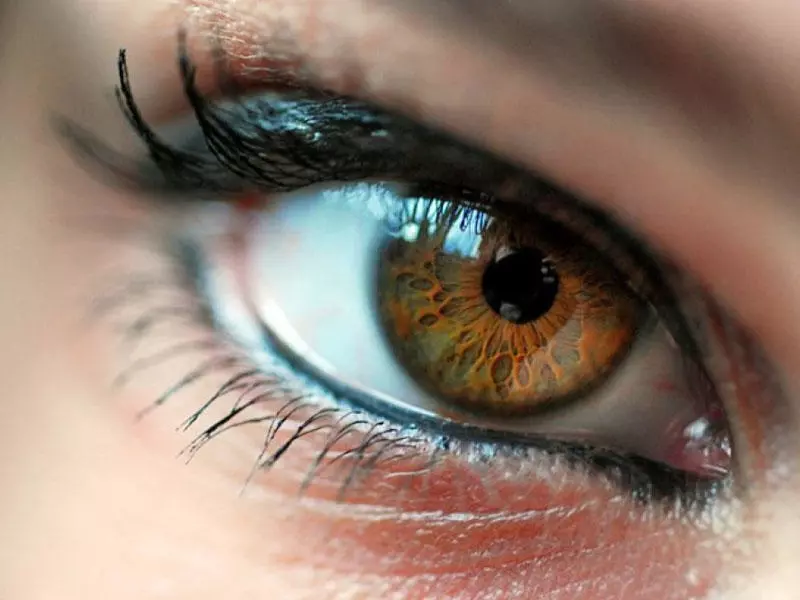
Types of Eye Colors
Eyes are one of the most striking features of the human face, and the variety of eye colors gives each person a unique appearance. In addition to common colors such as blue, green, and brown, there are also rare shades like gray and amber. Each individual’s eye color is determined by a combination of genetic factors and environmental influences.
The main factor that determines eye color is the iris, the colored part of the eye. The density and distribution of pigment in the iris affect eye color. The pigment melanin determines how dark or light the eyes appear. For example, brown eyes contain high levels of melanin, while blue eyes have much lower melanin levels.
Formation of Eye Colors and Genetic Factors
Genetic factors play a major role in the formation of eye color. Genes inherited from parents determine a child’s eye color. Generally, dark eye colors are controlled by dominant genes, while light eye colors are linked to recessive genes. For this reason, the possibility of two brown-eyed parents having a blue-eyed child is relatively low.
Genetic studies have shown that eye color is not determined by a single pair of genes but by the interaction of multiple genes. This genetic diversity explains the wide range of eye colors. For example, blue eyes are more common in Europe, while brown eyes are more frequently seen in Asia and Africa.
Environmental factors can also influence eye color, although they are not as decisive as genetics. As people age, slight changes in eye color may occur. However, these changes are usually minimal and do not alter the underlying genetic structure.
Eye Color Diversity in Ankara
As the capital of Türkiye, Ankara is home to a wide variety of eye colors due to its multicultural population. Brown eyes are the most common among people living in the city, but rarer colors such as green and blue can also be found. This diversity is a result of the region hosting different ethnic groups throughout history.
The variety of eye colors in Ankara reflects the city’s cosmopolitan nature. The coexistence of people from different backgrounds has increased genetic diversity, which is visible in eye color variations. Ankara contributes to eye color diversity not only within Türkiye but also as a meeting point of different cultures.
This diversity is considered a socio-cultural richness in the region. It strengthens the understanding of accepting and celebrating differences. The variety of eye colors supports personal expression and strengthens social connections.
Laser Eye Color Change Method
Laser eye color change has become a popular cosmetic procedure in recent years. This method changes eye color by reducing pigment density in the iris. It is mostly preferred to transform brown eyes into lighter shades such as blue or green. However, the procedure is permanent and irreversible, so careful consideration is necessary before making a decision.
The procedure involves focusing a short laser beam on the iris. The laser targets melanin pigment and reduces its density. The process usually requires several sessions, and results appear gradually over time. Although effective, it carries certain risks and should be performed by a qualified specialist.
While laser eye color change may be aesthetically appealing, it can also involve side effects. Eye sensitivity, infection risk, and even permanent vision changes are possible complications. Therefore, consulting an eye specialist in detail before deciding on such a procedure is essential.
Psychological Effects of Eye Colors
Eye color can play an important role in how individuals perceive themselves and others. Many people believe that different eye colors are associated with specific personality traits. For example, blue eyes are often linked with calmness and trust, while green eyes are associated with mystery and creativity. These perceptions are usually shaped by cultural influences and personal experiences.
Psychological studies have explored how eye color affects perception and social interactions. Some research suggests that certain eye colors may influence how people are perceived in terms of trustworthiness, charisma, or attractiveness. However, it is important to remember that such generalizations are not always accurate and that eye color alone does not define personality.
Perceptions related to eye color can also have psychological effects on individuals. People who are dissatisfied with their eye color may experience self-confidence issues. This can lead some individuals to seek ways to change their eye color in order to express themselves better or feel more accepted socially.
Eye Colors and Personality Analysis
Eye colors and personality analysis are topics that attract interest for many people. Different eye colors are often believed to be associated with specific personality traits. For example, brown eyes are commonly considered reliable and strong, while blue eyes are perceived as more emotional and sensitive.
These personality analyses are generally based on popular beliefs and cultural myths rather than scientific evidence. However, some psychologists have studied how eye color may influence social interactions and perceptions. Such research helps explain how individuals present themselves and how they are perceived by others.
Although connections between eye color and personality may be interesting, making broad generalizations can be misleading. Every individual is unique, and personality traits depend on many different factors. Therefore, eye color should not be considered the sole determinant of personality.
Care and Beauty Tips for Eye Colors
Eyes are one of the most expressive and noticeable parts of the face; therefore, highlighting and maintaining eye color is important. You can follow simple care and beauty tips to make your eyes stand out and enhance their natural beauty.
Choosing the Right Makeup: Select makeup colors that complement your eye color. For example, copper and gold tones work well for blue eyes, while purple and bronze shades suit brown eyes. Plum and lavender tones are recommended for green eyes.
Protect Eye Health: Have regular eye checkups and wear UV-protected sunglasses to shield your eyes from harmful sunlight. Using suitable moisturizing creams around the eyes is also important.
Pay Attention to Nutrition: Follow a diet rich in vitamins A, C, E, and omega-3 fatty acids to support eye health. These nutrients help keep your eyes healthy and bright from both inside and out.
Methods of Changing Eye Color
If you want to change your eye color, several methods are available. However, it is important to remember that some changes may be permanent and irreversible. Here are some common methods:
Colored Contact Lenses: Colored lenses are the most common and safest way to temporarily change eye color. They offer various color options and can be removed at any time.
Surgical Procedures: Eye color change surgeries can permanently alter iris color. However, these procedures carry serious risks and must be performed by a qualified eye surgeon.
Natural Methods: Some people attempt to lighten eye color using herbal extracts or natural oils. However, these methods have no scientific basis and may pose risks to eye health.
Although the idea of changing eye color may be appealing, it is important to think carefully and seek professional advice before making such decisions. Maintaining your natural eye color is also worth considering for healthy and beautiful eyes.
 Call
Call
 Whatsapp