
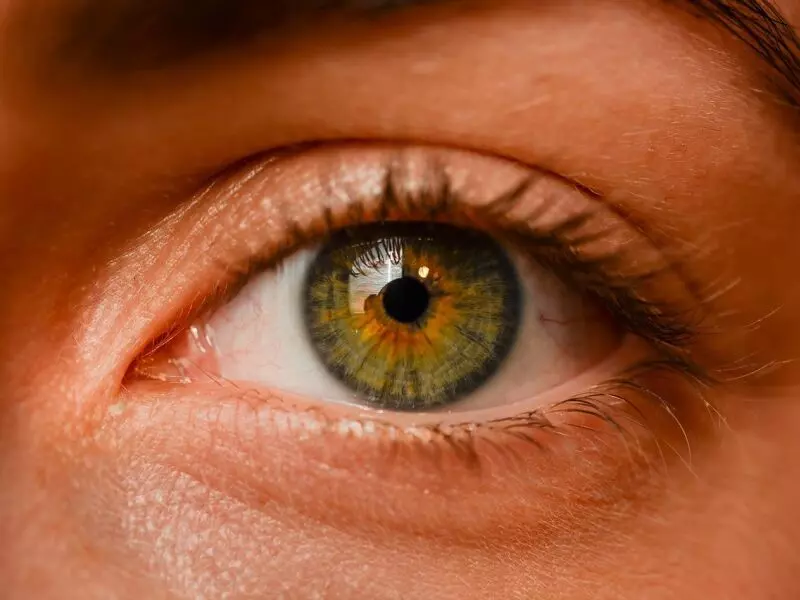
The Rarest Eye Colors in the World
Eye colors are an extremely fascinating subject as part of our genetic heritage. While brown is the most common eye color among humans, some eye colors are extremely rare. Among the rarest eye colors in the world are green, diamond blue, amber, and violet. These colors appear as a result of specific genetic combinations, almost like a genetic lottery.
Green eyes, in particular, are seen in only about 2% of the world’s population and are more common in Europe, especially in countries such as Ireland and Scotland. Diamond blue is extremely rare, and individuals with this eye color are generally of Northern European descent. Amber eye color has a yellowish tone, sometimes referred to as sulfur-colored, and is mostly found in Asia and South America.
Violet eye color, like the flower it is named after, is rare and striking. This eye color is generally associated with genetic conditions such as albinism. The distribution of eye colors is shaped by genetic diversity and evolutionary processes, making them even more intriguing.
Causes of Rare Eye Colors
Genetic factors play the leading role in determining eye color. A pigment called melanin is the primary determinant of eye color, and its concentration in the eye determines whether the color appears light or dark. As melanin levels decrease, eye colors become lighter and rarer. The rarest eye colors in the world are the result of genetic mutations and different combinations of melanin levels.
For example, green eyes contain more melanin than blue eyes but less than brown eyes. This delicate balance makes them rare. Amber eye color results from a different pigment called lipochrome. Lipochrome gives the eyes a golden or copper tone, explaining the uniqueness of amber.
Genetic variations can also influence other physical characteristics besides eye color. These variations are enriched by the genetic mixing of populations in different geographical regions, which explains why rare eye colors may be more common in certain areas.
Interesting Information About Rare Eye Colors in Ankara
Ankara, the capital of Turkey, is a center where diverse cultural backgrounds meet. The coexistence of people from different ethnic origins increases the likelihood of encountering rare eye colors. Especially through travelers and immigrants, this diversity has been enriched.
Some studies conducted in Ankara examine the genetic origins of rare eye colors and identify in which populations these colors are more common. These studies provide important insights into understanding Ankara’s demographic diversity and highlight the city’s cosmopolitan structure.
In this city, interest in rare eye colors is not only an aesthetic curiosity but also an exploration of genetic and cultural heritage. In various museums and science centers in Ankara, seminars and exhibitions about genetics and eye colors are organized, helping raise public awareness.
What Is Laser Eye Color Change?
In recent years, significant developments have occurred in the field of aesthetic procedures, one of which is laser eye color change. This procedure aims to permanently change eye color by reducing the amount of melanin in the eye. However, although this procedure attracts attention, discussions continue regarding its long-term effects and safety.
Laser eye color change is usually completed in several sessions, with each session gradually lightening the natural color of the eye to a lighter tone. The procedure is especially popular among individuals with dark-colored eyes who wish to have lighter blue or green shades. However, this procedure should be performed in sterile environments and by specialized doctors.
As with any surgical intervention, laser eye color change carries certain risks. Caution should be exercised regarding eye health, and comprehensive information about possible complications should be obtained. Post-procedure care and regular follow-ups are important steps for achieving a healthy outcome.
The Rarest Eye Colors in the World and Their Characteristics
Eye color is not only an aesthetic feature but also a reflection of an individual’s genetic heritage. Among the rarest eye colors in the world, green, diamond blue, amber, and violet stand out, each with its own distinctive characteristics.
Green eyes are often described as mystical and captivating. Individuals with this eye color are frequently associated with strong personalities and leadership qualities. Diamond blue eyes symbolize elegance and calmness. Due to their rarity, they always attract attention and are considered aesthetically appealing.
Amber eyes symbolize a connection with nature and are often associated with sincerity and reliability. Violet eye color represents uniqueness and the wonders of nature. Associated with albinism, this eye color has always been a subject of curiosity, and those who possess it are often perceived as having an artistic spirit.
The Most Popular Methods for Eye Color Change
Changing eye color has become an aesthetic preference for some individuals, and various methods have been developed to achieve this change. One of the most popular methods is the use of contact lenses. These lenses temporarily change eye color and offer a variety of color options.
Another method is laser eye color change, an aesthetic procedure that offers a permanent solution but, as previously mentioned, carries certain risks. Therefore, those considering this method should be cautious and seek professional consultation.
Finally, research continues on genetic modification methods. These approaches aim to use genetic engineering techniques to permanently alter eye color. However, such innovative methods are not yet widely accessible and raise ethical discussions.
 Call
Call
 Whatsapp