
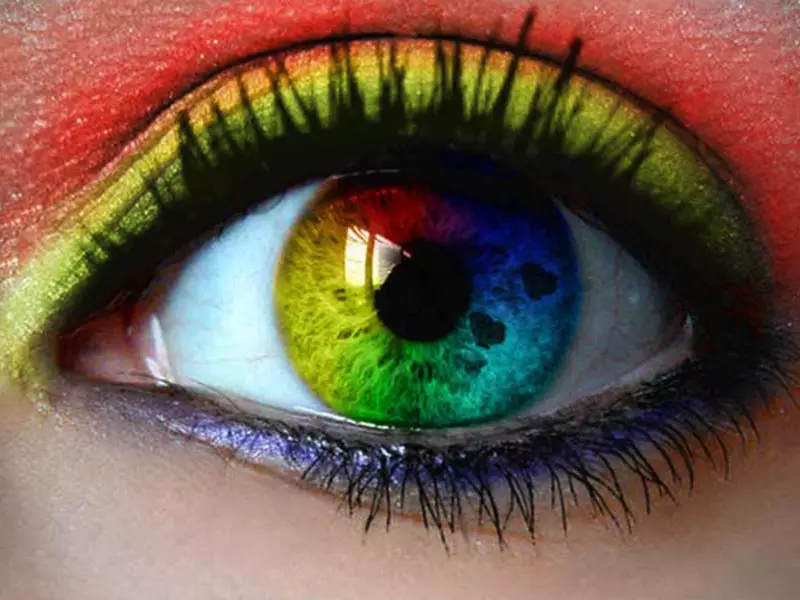
The Most Unusual Eye Colors in the World
Eyes are not only considered the mirror of the soul, but they are also an important physical feature that makes every individual unique. The most unusual eye colors in the world are so diverse and fascinating that they can leave people in awe. In this article, we will explore many aspects of eye color, from how it forms to the rarest eye colors found around the world.
What Are the Most Unusual Eye Colors in the World?
Eye color varies across the world, and some colors are quite extraordinary. Beyond the commonly known eye colors such as blue, brown, and green, there are also rare eye colors such as gray, amber, and even red.
Many people may think that blue eyes are the rarest color, but that is not the case. For example, amber eyes are quite rare and are known for their golden and copper-like glow. Conditions such as heterochromia, where a person has two different eye colors, can also occur and are considered extremely intriguing.
The rarity of certain eye colors has led them to be viewed as mystical and captivating in many cultures. In some societies, different eye colors carry special meanings and symbolic value. This makes eye color more than just a physical trait.
How Does Eye Color Form?
The formation of eye color is directly related to genetic factors and the pigment melanin. One of the most important factors determining eye color is the amount of melanin present in the iris. Melanin influences whether the eyes appear darker (brown) or lighter (blue or green).
Genetically, every individual carries two sets of genes—one from the mother and one from the father. These genes play a complex role in determining eye color. In the past, it was believed that blue eyes were dominant and brown eyes were recessive, but scientists have discovered that eye color inheritance is far more complex than this simple model.
In addition to genetic factors, environmental influences may also play a role in eye color changes. For example, slight changes in eye color may occur with age. This shows that eye color can be a dynamic characteristic.
The Rarest Eye Colors in the World
Some eye colors are so rare that seeing them in real life is considered quite fortunate. Here are some of the rare eye colors among the most unusual eye colors in the world:
Red and Purple Eyes:
These may appear as a result of genetic conditions such as albinism. Due to the lack of melanin, light reflecting from the blood vessels inside the eye may create these colors.
Amber Eyes:
Amber eyes usually consist of a mixture of gold, yellow, and copper tones. This color forms due to lower levels of melanin in the iris.
Gray Eyes:
Gray eyes are extremely rare and resemble blue eyes but appear more opaque. This color is caused by low melanin levels and the way light scatters within the eye.
These eye colors attract attention not only physically but also culturally and socially. Many people consider rare eye colors to be symbols of beauty and uniqueness.
The Meaning and Importance of Eye Color
Eye color carries different meanings in many cultures and may represent certain personality traits. For example, blue eyes are often associated with calmness and serenity, while brown eyes may symbolize reliability and determination.
Anthropologists and psychologists have studied how eye color affects first impressions between people. Some research suggests that certain eye colors may be perceived as more attractive or approachable. This highlights the influence of eye color on social relationships.
The meaning of eye color can also be shaped by personal experiences. People may value their eye color as part of their family heritage or genetic background. This shows that eye color is not only a physiological trait but also a psychological one.
Eye Colors and Genetic Factors
The genetic structure of eye color results from a highly complex mechanism. The genes that determine an individual’s eye color are inherited from parents, and interactions between these genes produce different eye colors.
The genes responsible for eye color influence not only the amount of melanin but also its distribution within the iris. These genetic interactions directly affect the tones and variations of eye color. For example, two siblings with similar genetic backgrounds may still have different eye colors.
Genetic science helps us understand how eye color is inherited and the genetic pathways through which this inheritance occurs. It also explains how eye color has evolved and diversified throughout human history. This highlights the scientific importance of eye color as a topic of study.
The Most Common Eye Colors in the World
Among the most common eye colors worldwide are brown, blue, and green. Although they are not as rare as the most unusual eye colors in the world, these colors still possess their own uniqueness and attractiveness. Brown eyes are the most common eye color and are found in a large portion of the global population.
Blue eyes are especially common in Europe and are often associated with lighter skin tones. This eye color is considered very striking. Green eyes, although less common globally, offer a unique and captivating appearance.
These common eye colors are shaped by genetic and geographical factors. For example, brown eyes are more common in sunnier regions due to higher melanin levels, while blue eyes are more frequently seen in areas with less sunlight. This demonstrates that eye color is influenced not only by genetics but also by environmental factors.
 Call
Call
 Whatsapp