
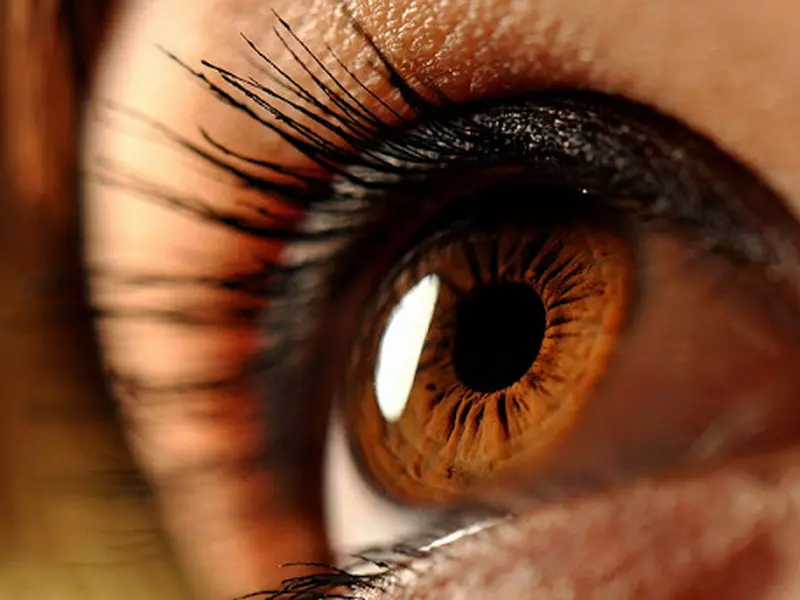
The Formation of Eye Colors
Eye color is one of the most distinctive features that sets people apart. Each person’s eyes display a unique color and depth. However, how these colors form and which factors influence this process remains a subject of curiosity for many. In this article, we will explore eye colors from their anatomical basis to genetic influences, as well as their cultural and historical context.
The Anatomy of Eye Color
The foundation of eye color lies in the iris, the colored part of the eye. The iris can appear in shades such as brown, blue, green, or hazel. Its color depends on the pigment melanin. Melanin is responsible for the color of our skin, hair, and eyes. The density and distribution of melanin in the front layer of the iris determine eye color.
Within the iris structure, there is a layer called the stroma. The stroma consists of collagen fibers located at the front of the iris. The arrangement and density of these fibers influence how light is scattered and reflected. Therefore, the visible appearance of eye color is also affected by this structure. The back layer of the iris is typically covered with darker pigment, contributing to the overall tone of the eye.
From an anatomical perspective, eye color is not merely a visual feature; it may also provide clues about health. For example, individuals with albinism have reduced melanin levels, which often results in very light-colored eyes and increased sensitivity to light. Thus, eye color formation holds both aesthetic and functional importance.
The Process of Eye Color Formation
Eye color formation begins before birth and may continue during the first few years of life. Babies are often born with lighter-colored eyes because melanin production is still developing. Over time, melanin levels increase, and eye color becomes more permanent. However, this process varies among individuals, and some people may experience subtle changes throughout life.
To understand eye color formation, it is essential to consider genetic factors. The genes responsible for eye color are inherited from parents. These genes encode enzymes involved in melanin production and distribution. Therefore, a person’s eye color is largely determined by their genetic makeup.
Environmental factors also play a role. Exposure to light and ultraviolet (UV) rays can influence melanin production. As a result, some individuals may notice their eye color appearing slightly darker or lighter over time. Eye color formation is best understood as a combination of genetic and environmental influences, which explains why each person’s eyes are unique.
Genetic Factors and Eye Colors
Genetic influences on eye color have been studied extensively. Eye color inheritance is more complex than simple Mendelian patterns. It was once believed that eye color was controlled by just two genes (brown and blue). However, research has shown that multiple genes contribute to eye color determination.
These genes regulate enzymes that control melanin production. For example, the OCA2 and HERC2 genes play significant roles. The OCA2 gene affects the amount of melanin in the iris, while the HERC2 gene regulates OCA2 expression. Variations in these genes can result in lighter or darker eye colors.
Genetics influences not only eye color but also tone and brightness. While inheritance patterns may provide clues, predicting eye color remains complex due to the interaction of multiple genes.
Eye Colors and the Effect of Light
Eye color perception can change depending on lighting conditions. The way light interacts with the eye significantly influences how eye color appears. Under natural light, eyes may appear different than under artificial lighting. This is related to how pigments absorb and reflect specific wavelengths of light.
The light effect is particularly noticeable in lighter-colored eyes. Blue or green eyes may appear to shift in tone depending on the angle and intensity of light. Therefore, identifying the exact shade of eye color can sometimes be challenging.
Some evidence suggests that eye color may subtly change over time due to aging or variations in melanin production. This demonstrates how dynamic and complex the interaction between light and eye color can be.
Psychological Meanings of Different Eye Colors
Throughout history, eye colors have been associated with various psychological meanings. People often link eye colors to personality traits or emotional characteristics.
For example, blue eyes are frequently associated with calmness and gentleness. Green eyes are often described as mysterious and captivating. Brown eyes are commonly linked to reliability and loyalty.
However, these associations are largely based on cultural beliefs rather than scientific evidence. Still, they highlight how eye color extends beyond a physical feature and takes on social and psychological dimensions.
Cultural and Historical Context of Eye Colors
Eye colors have carried different meanings across cultures and historical periods. In Ancient Egypt, blue eyes were sometimes considered divine, as gods were often depicted with blue eyes.
In medieval Europe, eye color was sometimes associated with social status. Lighter eyes were linked to nobility, while darker eyes were associated with lower classes. These beliefs illustrate how eye color has influenced social perceptions.
Today, interpretations of eye color vary globally. In regions where dark eyes are common, lighter eye colors may attract attention. Cultural perspectives show how society assigns meaning to eye color over time.
Interesting Facts About Eye Colors
There are many fascinating facts about eye colors:
Origin of Blue Eyes: Research suggests that blue eyes may trace back to a single ancestor who lived approximately 6,000 to 10,000 years ago near the Black Sea region. This indicates that blue eyes emerged from a genetic mutation.
Hazel Eyes: Hazel eyes may appear to change color under different lighting conditions due to variations in melanin distribution and light scattering.
Global Distribution: Brown eyes are the most common eye color worldwide. However, blue and green eyes are more prevalent in certain regions, such as Northern Europe.
These facts demonstrate that eye color is not just aesthetic but also scientifically and historically significant.
Eye Colors and Personality Traits
There are many theories suggesting a link between eye color and personality traits. While such associations are often subjective and not scientifically proven, they remain culturally popular.
Brown Eyes: Often perceived as warm, loyal, and trustworthy.
Blue Eyes: Commonly associated with calmness and emotional sensitivity.
Green Eyes: Frequently described as mysterious, charismatic, and passionate.
It is important to remember that these are general perceptions. Each individual is unique, and personality cannot be defined by eye color alone.
 Call
Call
 Whatsapp