


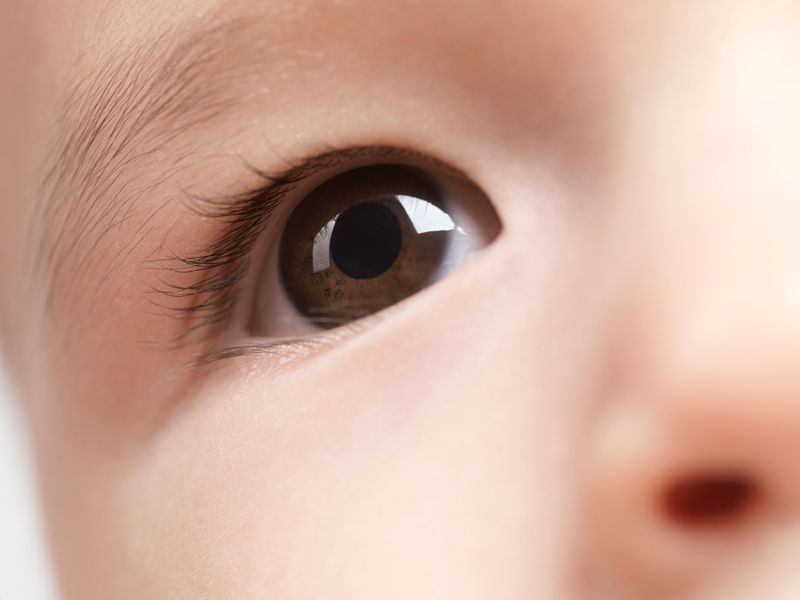
Newborn babies’ eye colors can change significantly during the first few months of life. The eye color before brown in newborns is usually the blue or gray shades observed shortly after birth. This color change depends on several factors, including melanin levels and genetic influences. When babies are born, their eyes often appear blue or gray because melanin takes time to accumulate in the eyes.
Many people enjoy observing this fascinating change that occurs in newborns’ eyes. This transformation often makes parents curious about how their baby’s eye color will develop during the first months of life. Changes in newborn eye color also reflect the genetic inheritance passed down from the parents. Understanding how eye color evolves over time can help us better understand a baby’s development.
In conclusion, the initial color referred to as the eye color before brown in newborns represents one of the earliest characteristics observed after birth. This process of color change allows us to witness a unique biological mechanism and reminds us how complex and remarkable nature can be.
How Do Eye Colors Change in Newborns?
Newborn babies’ eye colors typically begin to change within the first six months after birth. Eyes that initially appear blue or gray may gradually turn brown, green, or amber as melanin production increases. This process begins when the eyes start producing melanin pigment and usually completes within the first year of life.
During this period, parents often wonder how their baby’s eye color will develop. The process of eye color change is closely related to genetic factors. The genetic makeup of both the mother and father plays an important role in determining the baby’s final eye color. Parents can sometimes estimate the possible outcome by looking at their family’s genetic history and the eye colors commonly found among relatives.
Overall, the change in a newborn’s eye color can be an exciting experience for parents. It offers insight into the baby’s development and genetic heritage. This natural transformation is also a beautiful example of genetic diversity.
The Process of Eye Color Change
The change in a newborn’s eye color is the result of several biological mechanisms. Immediately after birth, the melanin pigment in the eyes is not yet fully developed. This is why the eyes may initially appear blue or gray. Melanin is the main pigment responsible for determining eye color, and it begins to accumulate in the eyes as the baby grows.
As melanin production increases, the eye color may gradually shift toward darker shades such as brown, green, or amber. This process usually begins around six months of age and may continue up to one year. However, every baby is different, and some babies may experience faster or slower changes in eye color.
Although this process is largely influenced by genetic factors, environmental influences and hormonal changes may also play a role. Therefore, each baby’s eye color development is unique, and parents often watch this transformation with curiosity and excitement.
Genetic Factors Behind the Eye Color Before Brown in Newborns
Genetic factors play a major role in determining eye color. The eye color of the parents is one of the most important factors influencing the eye color of their child. Genetically, brown eye color is considered a dominant trait. For this reason, if one parent has brown eyes, the likelihood that the child will also have brown eyes is relatively high.
However, eye color does not depend solely on the parents. It may also be influenced by the genetic inheritance of previous generations. Many genes are involved in determining eye color, and the interaction between these genes determines the final result. This means that a child’s eye color may not always match the eye color of the parents directly.
Although the complexity of genetics can make predicting eye color difficult, observing the changes in a baby’s eye color remains an exciting process. It helps us better understand genetic diversity and inheritance while providing valuable insights into a baby’s development.
Reasons for Eye Color Change
The primary reason for eye color change is the variation in melanin levels within the eyes. Melanin is the pigment that determines not only eye color but also skin and hair color. An increase in melanin levels causes the eye color to become darker.
Several factors can influence the increase in melanin production, including genetic structure, hormonal changes, and environmental influences. For example, sunlight exposure may stimulate melanin production, which can gradually affect eye color. Hormonal changes may also influence eye color, especially during adolescence.
In summary, the reasons behind eye color change involve a complex interaction of multiple factors. This process helps us understand both the development of babies and the influence of genetic inheritance, while also highlighting the complexity and beauty of natural biological systems.
Frequently Asked Questions About the Eye Color Before Brown in Newborns
1. When does a newborn’s eye color start to change?
A newborn’s eye color usually begins to change within the first six months after birth and may continue developing for up to one year. However, each baby is different, so the timing may vary.
2. Is eye color change guaranteed?
No, eye color change is not always guaranteed. Some babies keep the eye color they were born with, while others experience noticeable changes. These variations are closely related to genetic factors.
3. What factors influence eye color change?
The main factors that influence eye color change include genetic structure, melanin production, hormonal changes, and environmental influences. An increase in melanin levels generally causes the eye color to become darker.