
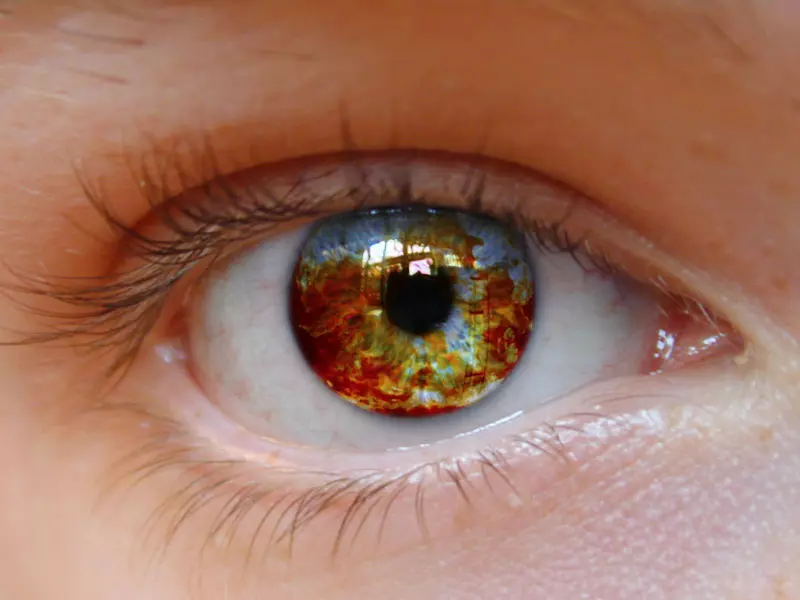
The Colors Inside the Eye
The colors inside the eye generally refer to the colored part called the iris. The iris is a muscular structure that controls the amount of light entering the eye, and the pigments within it determine eye color. Eye colors are commonly classified as brown, blue, green, or hazel, but each individual’s eye color is unique due to variations in pigment density and patterns.
The most important factor in determining eye color is the amount of melanin in the iris layer. Melanin is also the pigment responsible for skin and hair color. Higher levels of melanin result in darker eye colors, while lower levels lead to lighter shades such as blue or green. Understanding that eye color is shaped by genetic, environmental, and biological factors helps us better appreciate this fascinating feature.
In this article, we will explore how eye color forms, the meanings associated with different eye colors, the role of genetic factors, and their psychological effects. We will also discuss whether eye color can change and how health conditions may influence it.
How Eye Color Forms
The formation of eye color is a complex reflection of our genetic inheritance. Many genes can influence eye color, but the most significant ones are OCA2 and HERC2. These genes regulate melanin production, determining whether the eye color appears darker or lighter.
During iris development, cells called melanocytes produce melanin. The concentration and distribution of melanin shape eye color. Brown eyes are characterized by a high melanin concentration, which results in less light scattering. In contrast, blue and green eyes contain less melanin, allowing light to scatter more through the collagen fibers within the iris.
Eye color formation is influenced not only by genetics but also by environmental factors. During childhood, eye color may change as melanin production increases. This is why eyes that appear blue in infancy may darken over time.
Meanings of Different Eye Colors
Eye colors carry different meanings in various cultures and have been represented in literature, art, and mythology throughout history. Brown eyes are often associated with reliability and warmth, while blue eyes are seen as symbols of youth and vitality.
Green eyes are frequently linked to mystery and creativity. Because this color is relatively rare in nature, individuals with green eyes are often perceived as striking and charismatic. Hazel eyes, which are considered a blend of two or more colors, are sometimes associated with adaptability and balance.
Of course, these interpretations are shaped by cultural and personal perceptions and are not based on scientific evidence. However, they demonstrate that eye color is not only a biological characteristic but also a social and psychological element.
Genetic Factors of Eye Color
Eye color is determined by genetic factors passed down through generations. Human genetics follows a complex pattern when it comes to eye color inheritance. The two primary genes involved are OCA2 and HERC2.
The OCA2 gene produces a protein that regulates melanin production. The HERC2 gene functions as a regulatory switch controlling the activity of OCA2. The interaction between these two genes determines whether eye color appears lighter or darker. However, additional genes are also involved, making the inheritance process more complex.
Genetic influence explains the variability in eye color. For example, two blue-eyed parents may have a brown-eyed child because eye color depends not only on dominant or recessive genes but also on complex gene combinations.
Psychological Effects of Eye Color
Eye color may influence self-perception and social interactions. Some research suggests possible associations between eye color and personality traits. For instance, certain studies propose that blue-eyed individuals may be more introverted, while brown-eyed individuals may appear more outgoing and social.
Eye color can also affect first impressions. People may develop subconscious perceptions based on eye color, which can influence communication and relationships. It may even impact confidence and perceived social status.
However, psychological effects related to eye color are highly individual and not universally applicable. Cultural norms and personal experiences also shape these perceptions.
Eye Color Change: Is It Possible?
Natural changes in eye color usually occur during childhood as melanin production increases. Significant changes in adulthood are rare. However, certain technologies and conditions may influence eye color.
Cosmetic contact lenses can temporarily alter eye color. These lenses are available in various shades and are commonly used for aesthetic purposes. In addition, some laser-based procedures aim to permanently lighten eye color by reducing melanin in the iris.
However, such interventions may carry risks and potentially affect eye health. Individuals considering changing their eye color should carefully evaluate possible side effects and complications before making any decisions.
Health Conditions That Affect Eye Color
Eye color may be influenced by certain health conditions. For example, neurological disorders such as Horner syndrome can cause changes in pupil size and iris color. Eye conditions like pigmentary glaucoma may also lead to pigment loss, affecting eye color.
Genetic conditions such as albinism significantly impact eye color. In albinism, melanin production is extremely low, resulting in very light-colored eyes. Aging can also influence eye color, as iris pigmentation may gradually decrease over time.
These health-related factors demonstrate that eye color is not purely an aesthetic trait but may also provide insights into overall health. Sudden or unexplained changes in eye color should be evaluated by an eye specialist.
 Call
Call
 Whatsapp