


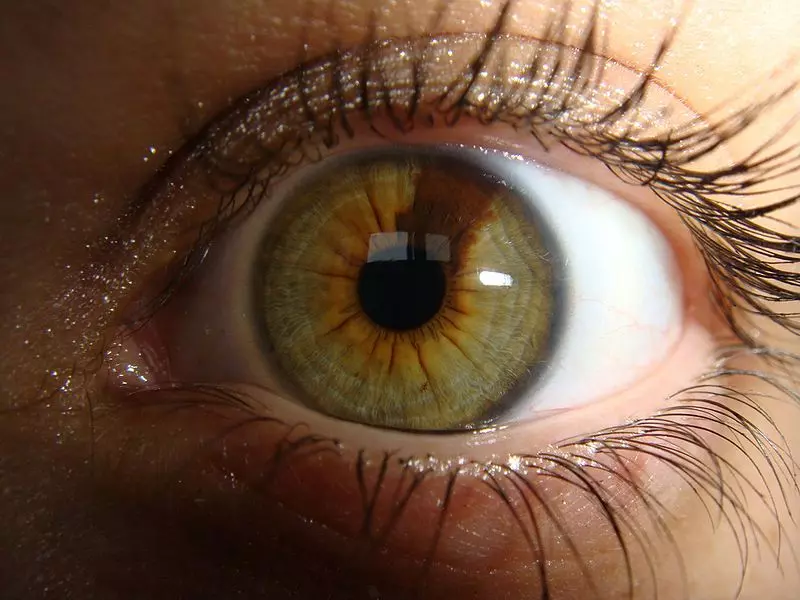
The iris, which is the colored part of the eye, is both an aesthetic and functional component of our visual system. It is a circular structure that surrounds the pupil and gives the eye its color. The color of the iris is determined by genetic factors and can vary from person to person. Various iris colors such as blue, green, and brown are important characteristics that reflect an individual’s identity and uniqueness.
The iris not only enhances the beauty of the eye but also controls how much light enters it. This function helps protect the inner structures of the eye even under bright light and ensures clear vision. The muscles within the iris adjust the size of the pupil by expanding and contracting according to the amount of light. This mechanism allows the eye to adapt quickly to different lighting conditions.
The structural features and color variations of the iris are determined by a combination of genetic and environmental factors. For the iris to function properly, it must be healthy and structurally sound. Therefore, maintaining eye health and having regular eye examinations are of great importance.
Functions and Importance of the Iris
The iris plays a vital role in the functionality of the eye. First of all, it regulates the amount of light entering the eye. The muscles in the iris control how much light reaches the retina by adjusting the size of the pupil. This ensures clear vision in both dark and brightly lit environments while protecting the internal structures of the eye.
In addition, the iris contributes to the aesthetic appearance of the eye. Its color varies depending on a person’s genetic makeup and creates individual differences. Eye color is an important feature that helps define a person and reflect their identity. The unique patterns of the iris are also used in biometric identification systems. These systems utilize iris scanning technology for security and identity verification purposes.
Finally, the iris can also be considered an indicator of eye health. Changes in the structure or color of the iris may provide early signs of certain health problems. For example, alterations in the iris may indicate eye diseases or systemic conditions. Therefore, protecting iris health and undergoing regular eye examinations can help detect potential issues early.
Structure and Features of the Iris
The iris is a thin, circular structure located at the front of the eye. It consists of two main layers: the anterior stroma and the posterior pigment epithelium. The stroma contains pigment cells that determine the color of the iris and surrounds the pupil. The pigment epithelium layer helps protect the retina by preventing excess light from entering the eye.
The iris contains two types of muscles: circular and radial. Circular muscles constrict the pupil in bright light, while radial muscles dilate the pupil in low-light conditions, allowing more light to enter the eye. The coordinated function of these muscles enables the eye to quickly adapt to different lighting environments and provides a clear visual experience.
The structure and features of the iris can vary greatly among individuals. These differences result from a combination of genetic and environmental factors. The unique patterns and color variations of the iris are key characteristics that help define individual identity. Additionally, the structural properties of the iris are used in biometric security systems and are preferred for identity verification in high-security areas.
Iris Colors and Genetic Factors
Iris color is a characteristic determined by genetic factors and varies between individuals. The combination of genetic material inherited from parents determines a child’s eye color. While common colors include brown, blue, green, and gray, each individual’s iris has its own unique pattern and tone.
The most important factor determining iris color is the amount and distribution of melanin pigment. Brown irises contain a high amount of melanin and absorb more light. Blue and green irises contain less melanin, causing more light to be scattered and reflected, which results in these colors. Genetic variations influence this pigment distribution, leading to differences in iris color.
In addition to genetics, environmental factors can also affect iris color. For example, the amount of pigment in the iris may change over time with aging, causing shifts in eye color. Certain health conditions and medications may also lead to changes in iris color. These factors once again highlight the importance of maintaining eye health.
Iris Diseases and Symptoms
The iris is a sensitive structure that can be affected by various diseases and health conditions. These conditions often interact with other parts of the eye and can impact vision quality and overall eye health. Early diagnosis and treatment of iris-related conditions are essential for maintaining eye health.
One of the most common iris conditions is iritis or uveitis. This condition involves inflammation of the iris and typically presents with symptoms such as eye pain, redness, and sensitivity to light. Uveitis may develop due to infections, autoimmune diseases, or trauma. Early diagnosis and proper treatment can help control inflammation.
Another important iris condition is aniridia, a congenital disorder characterized by the partial or complete absence of the iris. Aniridia can lead to vision loss and other eye problems. Additionally, tumors such as melanoma can develop on the iris. These conditions may present with symptoms such as changes in eye color, blurred vision, and discomfort, and they require prompt medical attention.
Methods to Protect Iris Health
Protecting iris health is essential for overall eye health. There are several measures that can be taken to maintain a healthy iris. First, regular eye examinations allow for the early detection of potential problems. An eye specialist can evaluate the structure and function of the iris and recommend treatment if necessary.
Protecting the eyes from harmful UV rays is also important. Wearing sunglasses with UV protection helps shield the eyes and supports iris health. Additionally, maintaining a healthy diet and adequate hydration provides essential nutrients for the eyes and improves overall eye health.
Finally, avoiding harmful habits such as smoking and excessive alcohol consumption contributes to eye health. Smoke exposure can cause irritation and inflammation in the eyes, while alcohol may lead to dryness and blurred vision. Controlling these habits plays a significant role in maintaining both iris and overall eye health.