
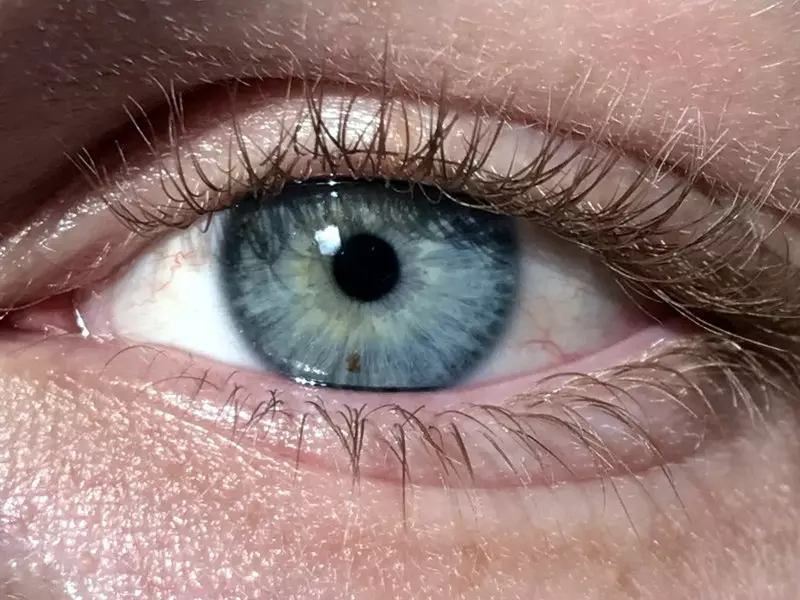
The Colored Part of the Eye
The colored part of the eye is the iris, an essential structure that serves both aesthetic and functional purposes. The iris is located in the center of the eye and determines eye color. Our eye color varies depending on the amount and distribution of pigment cells within the iris. This color forms a unique identity and is shaped by genetic factors.
The iris does more than define eye color—it also regulates the eye’s response to light. By expanding and contracting, it controls the size of the pupil and adjusts how much light reaches the retina. This mechanism helps the eye adapt to different lighting conditions.
In addition, the iris plays a role in appearance and expression. Different eye colors can influence facial expressions and overall perception, making eye color an important topic in aesthetics as well.
Anatomy of the Colored Part of the Eye
The iris has a complex structure that makes it both functional and visually significant. It consists of three main layers: the anterior epithelium, the stroma, and the posterior epithelium.
- Anterior Epithelium: The outer layer that forms the surface of the iris and helps regulate light. Pigment cells here contribute to eye color.
- Stroma: The middle layer containing collagen fibers and blood vessels, providing structural support and durability.
- Posterior Epithelium: The inner layer that surrounds the pupil and regulates the passage of light to the retina.
These structures play an important role in how the eye adapts to light and processes visual information. The integrity of the iris is also essential for maintaining eye health.
Function of the Colored Part of the Eye
The primary function of the iris is to control the amount of light entering the eye. It does this by adjusting the size of the pupil.
When light levels are low, the iris expands, enlarging the pupil to allow more light in. When light levels are high, it contracts, reducing the pupil size and limiting light entry. This allows the eye to adapt effectively to different lighting environments.
The iris also supports focusing. By adjusting pupil size, it helps the eye see objects clearly at different distances.
In addition, eye color contributes to personal identity. It is a noticeable feature that influences aesthetic perception and social interaction.
Types of Eye Colors and Their Characteristics
Eye color varies depending on the amount and distribution of melanin in the iris. The main eye color types include:
- Brown Eyes: The most common worldwide, with high melanin levels and strong light absorption.
- Blue Eyes: Low melanin levels, with color formed by light scattering. Common in individuals of European origin.
- Green Eyes: Moderate melanin levels, formed by a combination of pigments, and relatively rare.
- Hazel Eyes: A mix of tones that can appear different under varying light conditions.
Each eye color offers its own aesthetic appeal and highlights individual features.
Health of the Colored Part of the Eye
The health of the iris is important for overall eye health. Certain conditions may affect the iris and impact vision. For example, inflammation known as iritis can cause redness, pain, and light sensitivity.
Regular eye examinations are essential for early detection of potential issues. Protecting the eyes from harmful UV rays by wearing sunglasses is also important.
Maintaining iris health directly supports overall visual comfort and quality of life.
Changes in the Colored Part of the Eye
The color of the iris may change over time. In infants, eye color often changes within the first year as melanin production develops.
In adults, eye color changes are less common but can occur due to factors such as trauma, medication, or certain conditions. These changes are often temporary and may improve when the underlying cause is addressed.
Sudden or noticeable changes should be evaluated by a specialist.
Aesthetic Meaning of the Colored Part of the Eye
The iris plays an important role in personal appearance. Eye color influences facial expression and overall look. Different eye colors may be associated with different emotional impressions.
In aesthetic practices, certain methods are used to highlight or temporarily change eye color. Colored contact lenses are one such option, offering a temporary visual change. However, improper use may affect eye comfort and health.
The aesthetic value of eye color varies depending on cultural and personal perspectives. Eyes are an essential part of individual identity and remain a key element of visual expression.
 Call
Call
 Whatsapp