
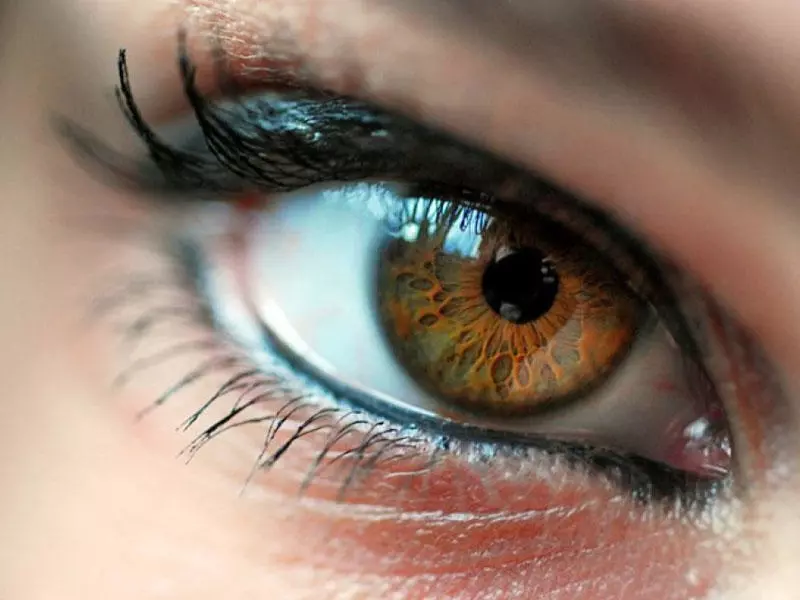
The Colored Layer of the Eye
The colored layer of the eye, scientifically known as the iris, is the structure located at the front of the eye that determines eye color. This structure is positioned on the outer part of the eye and contains an opening in the center called the pupil. The iris can appear in various colors thanks to pigment cells; these colors commonly include shades such as brown, blue, green, or gray. The color of the iris depends on the type and amount of pigments present in the eye.
The iris is not only an aesthetic feature but also a critical component for eye health. Its primary function is to regulate the amount of light entering the eye by controlling the size of the pupil. In this way, the pupil constricts or dilates depending on lighting conditions, preventing excessive light from entering the eye and ensuring clear vision. This function allows the eye to quickly adapt to different lighting environments.
The colored layer of the eye is also genetically determined. Genes inherited from both parents influence the color of the iris. For most people, eye color becomes clear a few months after birth. Eyes that appear blue during infancy may change as pigment production increases. All of these characteristics highlight the aesthetic and functional importance of the iris.
Functions of the Colored Layer of the Eye
The primary function of the colored layer of the eye is to regulate the amount of light entering the eye and control the level of light reaching the retina. The iris expands or contracts the pupil depending on the intensity of light. In bright light, the pupil becomes smaller, while in dim environments it enlarges. This mechanism enables the eye to adapt to varying lighting conditions and maintain clear vision.
Another important function of the iris is maintaining the structural integrity of the eye. The iris helps regulate the balance of fluids inside the eye and plays a role in controlling intraocular pressure. Maintaining this pressure balance is essential for eye health and may help prevent serious eye conditions such as glaucoma.
The iris also indirectly contributes to protecting the eye from external factors. Acting as a barrier around the pupil, it makes it more difficult for foreign substances to enter the eye. Additionally, it can trigger tear production, helping the eye remain moist and preventing the surface of the eye from drying out. All of these functions further emphasize the importance of the iris for overall eye health.
Interesting Facts About the Colored Layer of the Eye
The colored layer of the eye does more than determine eye color; it can also provide clues about personal identity and certain characteristics. Research has shown that iris patterns are unique to each individual, which is why they can be used in biometric identification systems. This uniqueness makes iris scanning a secure method of identity verification, comparable to fingerprint recognition.
Changes in iris color can sometimes occur with age. Babies are often born with lighter-colored eyes, but the eye color may darken over time as pigment levels increase. In addition, some individuals have a condition called heterochromia. In this condition, one eye may have a different color than the other, or a single eye may contain two different colors. Heterochromia is usually genetic, but it can also occur as a result of injury or disease.
Another interesting aspect of the iris is that it may provide clues for diagnosing certain health conditions. Eye specialists can observe signs such as unusual color changes or abnormal spots in the iris to assist in identifying specific diseases. For example, certain genetic disorders such as Wilson’s disease can cause distinct copper-colored rings to form around the iris. Such observations can be extremely important for early diagnosis and treatment.
Eye Health and Aesthetics in Ankara
Ankara offers a wide range of specialists and facilities in the field of eye health and aesthetics. In the capital city, many clinics and hospitals provide services related to eye care. These centers operate using advanced technologies and modern methods for the diagnosis and treatment of eye diseases. At the same time, they also offer various options in the field of eye aesthetics. Procedures such as eyelid surgery and under-eye bag removal are commonly performed in clinics throughout Ankara.
Eye aesthetics has become important not only for cosmetic concerns but also for health-related reasons. For instance, excess skin on the eyelids may narrow the field of vision. Such conditions may require medical intervention for health purposes. In Ankara, it is possible to find specialized doctors who focus on both aesthetic and medical eye treatments. These centers aim to improve individuals’ quality of life by providing personalized solutions in eye health and aesthetics.
For those considering receiving eye health or aesthetic services in Ankara, researching the differences between clinics and choosing experienced specialists is important. Eye health is a serious matter that should not be neglected, and with the right treatment methods it is possible to achieve both a healthy and aesthetically pleasing appearance. Ankara’s extensive opportunities in this field provide a wide range of options for individuals seeking professional support.
The Colored Layer of the Eye and Genetic Factors
The colored layer of the eye is shaped by genetic factors, and each individual’s eye color is determined by genes inherited from their parents. The genes responsible for iris color interact in complex ways, which is why rare cases such as a brown-eyed child being born to two blue-eyed parents can occur. Since eye color is a genetic trait, examining family history can often provide clues about a person’s eye color.
Genetics influences not only eye color but also iris patterns. Iris patterns are unique to each individual, and genetic factors play a significant role in their formation. Biometric methods such as iris scanning utilize these unique patterns to verify identity. Genetic makeup may also influence how iris patterns change with age. As people get older, the density of pigments in the iris may decrease, potentially causing slight changes in eye color.
Genetic factors can also increase the risk of certain health conditions related to the iris. For example, disorders such as pigmentary glaucoma, which involve abnormal distribution of iris pigments, may be associated with genetic predisposition. These conditions can often be managed with early diagnosis and treatment. Genetic counseling services may be beneficial for individuals with a family history of hereditary eye diseases. Such services can help identify potential risks and support preventive measures.
 Call
Call
 Whatsapp